
Plantar Fasciitis: Causes, Symptoms & Treatment of Heel Pain
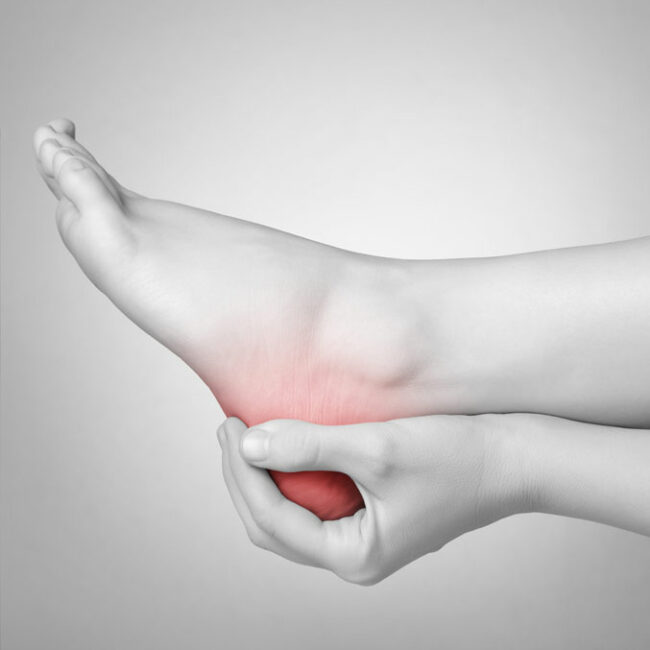
Plantar fasciitis is the most common cause of pain under the heel in adults. It’s caused by overloading the plantar fascia, the tough connective band stretching along the sole from heel to toes, and its classic sign is a sharp heel pain with your first steps in the morning. This guide explains what’s happening inside the foot, who gets plantar fasciitis and why, and how to tell it apart from heel spurs, bursitis, fat pad problems and nerve pain. It then works through every main treatment, from stretching, strengthening and home remedies to night splints, cortisone injections, shockwave therapy, platelet-rich plasma, dry needling and surgery, with what the research says about each. Finally, it covers how long recovery usually takes, how to get care in Canada, and answers to common questions. Most people get better without surgery, especially when they start the simple treatments early.
What is plantar fasciitis?
The plantar fascia is a strong, fibrous band on the sole of the foot. It attaches to the underside of the heel bone and fans out to the base of the toes. Every time you push off, it tightens like a bowstring to hold up the arch and make the foot rigid enough to propel you forward. Plantar fasciitis develops when the tissue near its attachment to the heel is loaded more than it can recover from.
Despite the “-itis” ending, the problem is usually not ongoing inflammation. When researchers examined tissue removed during surgery for long-standing plantar fasciitis, they found signs of degeneration, such as disorganized collagen fibres, rather than inflammatory cells (Lemont et al., 2003). That’s why many clinicians now prefer the terms plantar fasciopathy, plantar fasciosis or simply plantar heel pain. It also explains why treatments that load and strengthen the tissue often work better over time than treatments aimed only at inflammation.
How common is plantar fasciitis?
About one in 10 people will have plantar fasciitis at some point in their lives (Trojian and Tucker, 2019). It’s most common between the ages of 40 and 60, especially in women, but runners and people who stand at work get it at any age. In a UK population survey of adults aged 50 and over, 9.6% had plantar heel pain, and 7.9% had heel pain severe enough to be disabling (Thomas et al., 2019).
Symptoms of plantar fasciitis
- Sharp or stabbing pain under the heel, usually towards the inner side, where the fascia attaches to the bone.
- “First-step” pain: the pain is worst with your first steps in the morning or after sitting for a while, then eases as you move around.
- Pain that returns after long periods on your feet, especially at the end of a long day standing or walking.
- Tenderness when you press on the inner part of the underside of the heel.
- Stiffness in the arch and the calf.
Plantar fasciitis usually affects one foot, but it can affect both. It doesn’t normally cause swelling, bruising, numbness or burning. If you have those symptoms, another cause is more likely (see below).
What causes plantar fasciitis?
Plantar fasciitis is an overload injury. It happens when the load on the fascia rises faster than the tissue can adapt, often because of a combination of factors rather than one cause. The best-studied risk factors are:
- Limited ankle flexibility. In a study comparing 50 people with plantar fasciitis with 100 without it, reduced upward bending of the ankle (dorsiflexion), usually caused by tight calf muscles, was the strongest risk factor (Riddle et al., 2003).
- Body weight. A higher body mass index increases the load on the heel with every step (Riddle et al., 2003). A BMI above 27 is a recognized risk factor (Trojian and Tucker, 2019).
- Spending most of the workday on your feet, especially on hard floors (Riddle et al., 2003).
- A sudden increase in activity, such as starting a running program, training for a race, a new job on your feet, or a long walking holiday.
- Foot shape. Both flat feet and high arches change how load passes through the fascia.
- The fascia and the heel’s fat pad become less resilient from middle age.
Plantar fasciitis vs heel spurs
A heel spur (calcaneal spur) is a small bony outgrowth on the underside of the heel bone, where the muscles and fascia of the sole attach. It can only be seen on an X-ray. Many people with plantar fasciitis have one, but so do plenty of people without heel pain, which is why a spur on an X-ray doesn’t confirm plantar fasciitis (Goff and Crawford, 2011).
In a review of more than 1,100 ankle X-rays, 12.4% of patients had a heel spur. Spurs were more common in women, older people and people with a higher body mass index. People with spurs reported more foot pain than people without them, even when those with plantar fasciitis were excluded, but the spur seemed to be a marker of other foot problems rather than the direct cause of the pain (Moroney et al., 2014). Removing a spur is rarely needed, and treatment for heel spur pain is the same as for plantar fasciitis. Read more in our heel spurs guide.
Other causes of heel pain to rule out
Not all heel pain is plantar fasciitis. These conditions can feel similar but need different care:
- Heel fat pad syndrome. The fat pad that cushions the heel bone becomes thin or bruised. The pain tends to sit in the centre of the heel rather than towards the inner side, and it’s worse when walking barefoot on hard floors or standing for long periods, rather than with your first steps (Chang et al., 2022). It may be the second most common cause of pain under the heel.
- A bursa is a small fluid-filled sac that reduces friction. Retrocalcaneal bursitis causes pain and swelling at the back of the heel, between the Achilles tendon and the heel bone (Goff and Crawford, 2011). Less often, a bursa under the heel becomes inflamed and can mimic plantar fasciitis.
- Achilles tendinopathy. Pain and stiffness at the back of the heel or just above it, rather than underneath. See our Achilles tendonitis guide.
- Nerve entrapment. Burning, tingling or numbness on the inner side of the heel or the sole can come from a trapped nerve, including tarsal tunnel syndrome (Goff and Crawford, 2011).
- Calcaneal stress fracture. A gradually worsening pain after a rise in running or marching. Squeezing the sides of the heel is painful, which isn’t typical of plantar fasciitis.
- Plantar fascia rupture. A sudden, sharp pain and sometimes bruising in the arch, often during sport. It’s more likely after cortisone injections.
- Inflammatory arthritis. Pain in both heels, especially in younger adults, together with back stiffness or other painful joints, can be a sign of spondyloarthritis or another inflammatory arthritis.
- Sever’s disease. Heel pain in active children aged about 8 to 14. See our Sever’s disease guide.
How plantar fasciitis is diagnosed
Plantar fasciitis is usually diagnosed from your symptoms and a physical examination. A clinician will ask when the pain is worst, press on the heel to find the tender spot, and check your calf flexibility. Tests are only needed if the diagnosis isn’t clear or the pain isn’t improving.
- Ultrasound can show a thickened plantar fascia. In a Danish study of 174 patients, the fascia measured about 6.7 to 6.9 mm thick at diagnosis (Hansen et al., 2018). Ultrasound can also guide injections.
- X-rays can rule out a stress fracture or arthritis. They can show a heel spur, but that doesn’t confirm or exclude plantar fasciitis.
- MRI is rarely needed. It’s used when a stress fracture, tumour or other uncommon cause is suspected.
- Blood tests may be ordered if an inflammatory arthritis is suspected.
Plantar fasciitis treatment: what works?
There’s no single cure, and most treatments help some people more than others. A 2021 best-practice guide, based on a systematic review, expert opinion and patients’ experiences, recommends a stepped approach (Morrissey et al., 2021):
- First, for everyone: education about the condition and managing load, plantar fascia stretching and taping.
- If that isn’t enough after about four to six weeks: shockwave therapy.
- If you’re still not improving: custom orthotics.
Beyond these steps, a clinician may suggest injections or other treatments, with surgery as a last resort.
The sections below cover each option.
Stretching
Stretching is the simplest treatment and one of the best studied. In a trial of 101 people with long-standing heel pain, a plantar fascia-specific stretch reduced morning pain more than a standard calf stretch after eight weeks (DiGiovanni et al., 2003). To do it, sit with the painful foot crossed over the other knee, pull your toes back towards your shin until you feel a stretch in the arch, and hold for 10 seconds. Repeat 10 times, three times a day, including before your first steps in the morning. Calf stretches against a wall help too, especially if your ankles are stiff. For step-by-step instructions, see our plantar fasciitis stretches.
Strengthening exercises
Because plantar fasciitis is a problem of tissue capacity rather than inflammation, gradually loading the fascia can help it recover. In a trial of 48 people, slow, heavy single-leg heel raises with a rolled towel under the toes, done every second day for three months, improved pain and function more than stretching alone at three months. At 12 months, both groups had improved by a similar amount (Rathleff et al., 2015). Start with both feet if a single leg is too painful, take three seconds to rise and three to lower, and build up the load over several weeks.
Taping
Low-dye taping uses strips of rigid sports tape around the arch and heel to reduce the strain on the fascia for a day or two at a time. The 2021 guide recommends it as a core treatment for short-term pain relief (Morrissey et al., 2021). A physiotherapist, podiatrist or chiropodist can apply it and show you how to do it yourself.
Home remedies and self-care
- Ease the load, but keep moving. Cut back on the activities that make the pain worse the next morning, such as long walks, runs or hours of standing, and swap in cycling or swimming. Complete rest isn’t necessary.
- Rolling the arch over a frozen water bottle for 10 to 15 minutes, or using an ice pack wrapped in a cloth, can ease pain after activity. There’s little research on ice, but it’s cheap and low-risk.
- Rolling the sole over a firm ball and massaging the calf can relieve tightness. Evidence is limited, but many people find it helpful.
- Anti-inflammatory medicines. Pain relievers such as ibuprofen or naproxen can ease pain in the short term, alongside other treatments (Goff and Crawford, 2011). Check with a pharmacist or doctor first, especially if you have stomach, kidney or heart problems or take other medicines.
- Weight management. If you’re carrying extra weight, losing some reduces the load on the heel with every step. It’s a long-term step rather than a quick fix.
- Supportive footwear. Avoid going barefoot and wearing flat, worn-out shoes while your heel recovers (Morrissey et al., 2021). See our guide to the best shoes for plantar fasciitis.
- Supportive insoles with a firm arch and a deep heel cup can reduce the strain on the fascia while you’re on your feet. See our guide to insoles for plantar fasciitis.
Night splints
A night splint holds the ankle at about 90 degrees while you sleep, so the fascia and calf don’t tighten overnight. That can reduce the sharp pain of the first steps in the morning. A 2023 review of three small trials concluded that night splints improved pain and function, but all three had a high risk of bias (Bendo et al., 2023). Many people find them uncomfortable to sleep in, and front-of-the-leg (anterior) designs are usually better tolerated than ones that sit behind the calf (Goff and Crawford, 2011). A wall calf stretch before bed is a free alternative worth trying first.
Shockwave therapy (ESWT)
Extracorporeal shockwave therapy sends pulses of acoustic energy into the heel through a probe placed on the skin. It’s usually given once a week for three to five sessions, and it can be uncomfortable during treatment. It’s thought to stimulate healing in the degenerated tissue. In a trial of 250 people with heel pain lasting at least six months who hadn’t improved with other treatments, focused shockwave therapy reduced pain by a median of 69%, compared with 34.5% for a sham treatment (Gollwitzer et al., 2015). The 2021 best-practice guide recommends shockwave therapy as the next step when the first-line treatments aren’t enough (Morrissey et al., 2021).
In Canada, shockwave therapy is offered by physiotherapy, chiropody and sports medicine clinics. It’s generally not covered by provincial health plans, but some extended health plans pay for it as part of physiotherapy or chiropody visits.
Cortisone (corticosteroid) injections
A cortisone injection into the heel can ease pain quickly, but the relief is usually short-lived. A Cochrane review of 39 trials and 2,492 adults found that steroid injections may slightly reduce heel pain for up to a month, with no clear benefit after that (David et al., 2017). A review for Canadian family physicians concluded that injections give about one in three people meaningful pain relief at four weeks, with little evidence of benefit beyond 12 weeks (Keough and Korownyk, 2015).
The main risks are a rupture of the plantar fascia and thinning of the heel’s fat pad. Observational studies have estimated the risk of rupture at 2.4% to 10% after injections, although these figures come from specialist centres and may overstate the risk (Keough and Korownyk, 2015). For these reasons, most clinicians limit the number of injections, often use ultrasound to guide the needle, and advise against repeated injections.
Platelet-rich plasma (PRP)
PRP injections use a concentrate of platelets from your own blood, which contain growth factors that may support tissue repair. Compared with cortisone, PRP gives similar relief over the first three months. Beyond 12 weeks, PRP may give better pain relief and function, based on two meta-analyses and two trials (Atkinson et al., 2021). PRP isn’t covered by provincial health plans in Canada and is usually paid for privately, so it tends to be reserved for stubborn cases.
Dry needling and acupuncture
Dry needling inserts fine needles into tight, tender points in the calf and foot muscles. In a trial of 84 people, real dry needling reduced heel pain more than a sham procedure after six weeks, but the difference was small, and soreness after treatment was common (Cotchett et al., 2014). Acupuncture is used in a similar way. Both are offered by many physiotherapists in Canada, and extended health plans often cover them as part of physiotherapy or acupuncture benefits.
Other treatments
You may come across laser therapy, therapeutic ultrasound, botulinum toxin (Botox) injections, radiofrequency treatment and minimally invasive procedures such as percutaneous tenotomy. Compression socks and sleeves are also marketed for plantar fasciitis. The research on these is limited, so they’re best considered only after the better-studied options, and with a clinician who can explain the evidence for your situation.
Surgery
Surgery is a last resort for people whose pain persists for 6 to 12 months or more despite consistent non-surgical treatment. The main options are:
- Plantar fascia release (fasciotomy). Part of the fascia is cut to reduce the tension. It can be done through a small open incision or with a keyhole (endoscopic) approach. Risks include flattening of the arch, nerve injury and a long recovery (Goff and Crawford, 2011).
- Gastrocnemius recession. One of the calf muscles is lengthened to reduce the pull on the heel. In a Norwegian trial of 40 people with heel pain lasting more than a year, those who had this surgery plus stretching had less pain and better function at 12 months than those who did stretching alone (Molund et al., 2018).
How long does plantar fasciitis take to heal?
Plantar fasciitis is usually self-limiting, and most people recover within a year with simple treatment (Trojian and Tucker, 2019). Recovery can be slow, though, and some cases last much longer. In a Danish study that followed 174 patients referred to a hospital clinic for 5 to 15 years, about half (54%) were pain-free at follow-up. On average their symptoms had lasted about two years, while the other 46% still had some pain (Hansen et al., 2018). Patients referred to hospital tend to have more stubborn heel pain, so most people recover faster, but the study shows why starting treatment early and sticking with it matters. Read more in our guide to how long plantar fasciitis takes to heal.
Getting care for plantar fasciitis in Canada
- Family doctor or nurse practitioner. Covered by your provincial health plan. They can confirm the diagnosis, rule out other causes, arrange X-rays or an ultrasound, give injections and refer you to a specialist.
- Podiatrist or chiropodist. Foot specialists who can assess your heel, apply taping, make custom orthotics and, in some provinces, give injections. Which one you see depends on your province: Ontario has both, and most of its foot specialists are chiropodists. In Ontario, OHIP pays between $7 and $16 of each visit to a registered podiatrist, up to $135 per person per year (Government of Ontario).
- Helps with exercises, taping, shockwave therapy and dry needling. Most physiotherapy in Canada is paid privately or through extended health benefits. Ontario funds physiotherapy at participating clinics for people aged 65 and over, those aged 19 and under, people recently discharged from hospital, and people receiving Ontario Works or ODSP (Government of Ontario).
- Canadian Certified Pedorthist. A specialist in footwear, foot supports and custom orthotics, who assesses how you stand and walk (Pedorthic Association of Canada).
- Sports medicine physician or orthopaedic surgeon. Usually by referral, for stubborn cases or when surgery is being considered.
Many extended health plans through work cover physiotherapy, chiropody, podiatry and massage therapy up to an annual limit. Check your plan before booking, because some need a doctor’s referral.
When to see a doctor about heel pain
Book an appointment with your family doctor or a foot specialist if:
- your heel pain hasn’t improved after four to six weeks of stretching, strengthening and easing the load
- the pain started suddenly during activity, or you felt a pop in the arch
- you can’t put weight on your foot, or the heel is swollen, bruised, red or hot
- you have numbness, tingling or burning in the foot
- both heels hurt and you also have back stiffness or other painful joints
- you have diabetes, poor circulation or a weakened immune system
- you have fever or night pain, or you feel generally unwell
Customer experiences: real stories of living with plantar fasciitis
“Because I work in the medical field, I’ve worn my crocs to work many times, and I think they’ve ruined my feet. I’ve had heel spurs for several months now. The pain is so bad sometimes I can barely take a step forward. Even FitFlops hurt and are horrid. So for now, they’re just trainers, they’re the most bearable for now.”
“I wore FitFlop sandals all summer and yes, honestly I do feel like you have so much less pain. But now I’m back to ankle boots, and the pain has returned (even with gel insoles in my boots). I’m going to try some other things like hot foot baths and Hecla Lava D6 and hopefully one day I’ll be rid of this horrible pain. I’ll keep you posted on my success, hopefully, on a positive note.”
“I’ve also emailed you a pain relief tip for plantar fascititis. When I had this problem (approximately a year ago), Shape-Ups helped some, for a while. I’ve had sort of chronic plantar fasciitis in both of my feet for a year and a half or more. It will drive you crazy.”
“Over the last few years I’ve tried magnetic healer, cast on my foot, cortisone injections etc, stretching exercises, The Strassburg Sock, anti-inflammatories, pain killers, acupuncture (traditional Chinese), Hecla Lava D6 tabs, physiotherapy and the range of insoles. After nine sessions (and a small fortune in appointments with various proprietors, never mind the tea and the herbs and the supplements), I’m none the better, indeed, the worse for wear than when I started.”
“I’m at my wits’ end. Not holding out much hope for the nite splint the orthopod has suggested as the Strassburg Sock hasn’t helped. Driving is a nightmare, and I’ve been on 50% sick leave now since March 2012. It hurts a lot. I can only walk in Shape-Ups and not more than 50 meters.”
“I set about veggieing all day with my feet up. That makes the pain bearable but not disappear. I sleep with a small pillow under my calves every nite so that my heels aren’t pounding my mattress. I’m so sick of this. So much pain, no possibility of healing. Others can’t imagine what living with this limitation entails. With love to plantar fasciitis and heel spurs pain sufferers. It is a nightmare!”
“I had surgery to fix hammertoe on my left foot in March of 2011. I think this was not totally successful, but the orthopedic surgeon says he can do nothing about it. The operated toe stands up and is somewhat twisted, so it’s uncomfortable in regular shoes, and I would wear flip-flops all day as soon as it was sunny.”
“In June I began to experience severe pain in my right foot when walking, presumably because I had modified my gait to compensate for the toe. I visited my GP, who said from experience it was a heel spur and would disappear. I visited a podiatrist and tried pain insoles to walk on and also a course of diclofenac for the pain. None worked out.”
“I was as gentle as I knew how to be in my work as a postman. But then one nite in September the pain was so severe that I could not find a position to rest my foot. So one Saturday evening I bore the wait to be seen in St Helens’ out-of-hours medical service and was prescribed five Lyrica tablets to take straight away to relieve the pain, although the patient information leaflet explains that the drug can take a week before it works for nerve pain. They did nothing.”
Frequently asked questions about plantar fasciitis
Why is plantar fasciitis worse in the morning?
While you sleep, your foot relaxes into a pointed position and the plantar fascia and calf tighten. Your first steps suddenly stretch the irritated tissue, which causes the sharp pain. As you keep walking, the tissue warms up and loosens, so the pain usually eases within minutes. The same thing happens after sitting for a long time.
Can plantar fasciitis be cured?
Most people recover fully, usually within a year, without surgery. There’s no instant cure, but stretching, strengthening, easing the load and supportive footwear help most people improve. Shockwave therapy and other treatments can help if the pain doesn’t settle. Starting treatment early gives you the best chance of a faster recovery.
Is it plantar fasciitis or a heel spur?
They often occur together, but they’re different things. Plantar fasciitis is an overload of the tissue under the heel, while a heel spur is a small bony growth that can only be seen on an X-ray. Many people with heel spurs have no pain at all. When a heel with a spur does hurt, the overloaded fascia nearby is the more likely source, and the treatment is the same as for plantar fasciitis.
Should I keep walking and exercising with plantar fasciitis?
Yes, but at a level your heel can tolerate. A useful guide is the next morning: if the first-step pain is worse than usual, you did too much the day before. Swap some high-impact activity for cycling, swimming or rowing while the heel recovers, and keep up your stretching and strengthening exercises. Return to running gradually once the morning pain has settled.
Can plantar fasciitis affect both feet?
Yes. It often starts in one foot, but it can affect both, either at the same time or one after the other. If both heels are painful at once, especially if you’re under 40 or have back stiffness or other painful joints, see your doctor to rule out an inflammatory arthritis.
Do I need an X-ray or an ultrasound?
Usually not. Plantar fasciitis is normally diagnosed from your symptoms and an examination. Your doctor may order an X-ray or ultrasound if the diagnosis isn’t clear, if the pain started after an injury, or if it isn’t improving with treatment. An ultrasound can show a thickened plantar fascia and can be used to guide an injection.
Is a cortisone shot a good idea for plantar fasciitis?
It can give fast, short-term relief, which some people find useful when the pain is severe. The research shows the benefit usually lasts weeks rather than months, and there’s a small risk of the plantar fascia rupturing or the heel’s fat pad thinning. Most clinicians recommend trying exercise-based treatment first, and avoiding repeated injections.
Does shockwave therapy work for plantar fasciitis?
For many people with long-standing plantar fasciitis, yes. Trials have found that shockwave therapy reduces pain more than a sham treatment in people whose heel pain has lasted six months or more. It usually takes three to five weekly sessions, and the full benefit can take a few months to appear. It’s mainly recommended when stretching, strengthening and taping haven’t been enough.
Is plantar fasciitis the same as plantar fasciopathy?
Yes. Plantar fasciitis, plantar fasciopathy, plantar fasciosis and plantar heel pain all describe the same condition. The newer terms reflect research showing that long-standing cases involve degeneration of the tissue rather than ongoing inflammation. The name doesn’t change the treatment.
Do insoles help plantar fasciitis?
They can help by supporting the arch and cushioning the heel, which reduces the strain on the plantar fascia while you’re on your feet. They work best alongside stretching, strengthening and managing your activity. Our guide to insoles for plantar fasciitis explains what to look for and which type suits your shoes.
References
- Atkinson B, Walker KH, Stigleman S, Vaughan A, Hulkower S. Platelet-rich plasma vs. corticosteroids for refractory plantar fasciitis. American Family Physician. 2021;103(5):307–308. Full text
- Bendo AJP, Barros MIG, Bertolini GRF, de Carvalho AR, Donin CB, Azevedo MRB. Night splints in plantar fasciitis: a systematic review. Muscles, Ligaments and Tendons Journal. 2023;13(2). doi:10.32098/mltj.02.2023.12
- Chang AH, Rasmussen SZ, Jensen AE, Sørensen T, Rathleff MS. What do we actually know about a common cause of plantar heel pain? A scoping review of heel fat pad syndrome. Journal of Foot and Ankle Research. 2022;15:60. doi:10.1186/s13047-022-00568-x
- Cotchett MP, Munteanu SE, Landorf KB. Effectiveness of trigger point dry needling for plantar heel pain: a randomized controlled trial. Physical Therapy. 2014;94(8):1083–1094. PEDro record
- David JA, Sankarapandian V, Christopher PRH, Chatterjee A, Macaden AS. Injected corticosteroids for treating plantar heel pain in adults. Cochrane Database of Systematic Reviews. 2017;(6):CD009348. doi:10.1002/14651858.CD009348.pub2
- DiGiovanni BF, Nawoczenski DA, Lintal ME, et al. Tissue-specific plantar fascia-stretching exercise enhances outcomes in patients with chronic heel pain: a prospective, randomized study. Journal of Bone and Joint Surgery (American). 2003;85(7):1270–1277. PubMed
- Goff JD, Crawford R. Diagnosis and treatment of plantar fasciitis. American Family Physician. 2011;84(6):676–682. Full text
- Gollwitzer H, Saxena A, DiDomenico LA, et al. Clinically relevant effectiveness of focused extracorporeal shock wave therapy in the treatment of chronic plantar fasciitis: a randomized, controlled multicenter study. Journal of Bone and Joint Surgery (American). 2015;97(9):701–708. Summary in American Family Physician
- Government of Ontario. What OHIP covers and Physiotherapy clinics (government-funded).
- Hansen L, Krogh TP, Ellingsen T, Bolvig L, Fredberg U. Long-term prognosis of plantar fasciitis: a 5- to 15-year follow-up study of 174 patients with ultrasound examination. Orthopaedic Journal of Sports Medicine. 2018;6(3). doi:10.1177/2325967118757983
- Keough A, Korownyk C. Healing the heel: corticosteroid shots for plantar fasciitis. Tools for Practice #140. College of Family Physicians of Canada (CFPCLearn); 2015. Full text
- Lemont H, Ammirati KM, Usen N. Plantar fasciitis: a degenerative process (fasciosis) without inflammation. Journal of the American Podiatric Medical Association. 2003;93(3):234–237. doi:10.7547/87507315-93-3-234
- Molund M, Husebye EE, Hellesnes J, Nilsen F, Hvaal K. Proximal medial gastrocnemius recession and stretching versus stretching as treatment of chronic plantar heel pain. Foot & Ankle International. 2018;39(12):1423–1431. doi:10.1177/1071100718794659
- Moroney PJ, O’Neill BJ, Khan-Bhambro K, O’Flanagan SJ, Keogh P, Kenny PJ. The conundrum of calcaneal spurs: do they matter? Foot & Ankle Specialist. 2014;7(2):95–101. PubMed
- Morrissey D, Cotchett M, Said J’Bari A, et al. Management of plantar heel pain: a best practice guide informed by a systematic review, expert clinical reasoning and patient values. British Journal of Sports Medicine. 2021;55(19):1106–1118. doi:10.1136/bjsports-2019-101970
- Pedorthic Association of Canada. What is a pedorthist?
- Rathleff MS, Mølgaard CM, Fredberg U, et al. High-load strength training improves outcome in patients with plantar fasciitis: a randomized controlled trial with 12-month follow-up. Scandinavian Journal of Medicine & Science in Sports. 2015;25(3):e292–e300. doi:10.1111/sms.12313
- Riddle DL, Pulisic M, Pidcoe P, Johnson RE. Risk factors for plantar fasciitis: a matched case-control study. Journal of Bone and Joint Surgery (American). 2003;85(5):872–877. PubMed
- Thomas MJ, Whittle R, Menz HB, Rathod-Mistry T, Marshall M, Roddy E. Plantar heel pain in middle-aged and older adults: population prevalence, associations with health status and lifestyle factors, and frequency of healthcare use. BMC Musculoskeletal Disorders. 2019;20:337. doi:10.1186/s12891-019-2718-6
- Trojian T, Tucker AK. Plantar fasciitis. American Family Physician. 2019;99(12):744–750. Full text
This guide is general information, not medical advice. If you have heel pain that isn’t improving, see a qualified health professional.
