
Best insoles for Work Boots
If you have to wear heavy work boots for 8 to 12 hours a day, you know that comfort isn’t a reward; it’s a must. There isn’t much support or cushioning in the “stock standard” insoles that come with work boots. This is true whether you’re standing on concrete warehouse floors or working on construction sites with uneven ground. People who are on their feet all day have two great choices from Footlogics: You can get Footlogics Performance for people with high feet and Fits low-normal arches well.
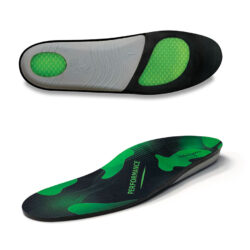
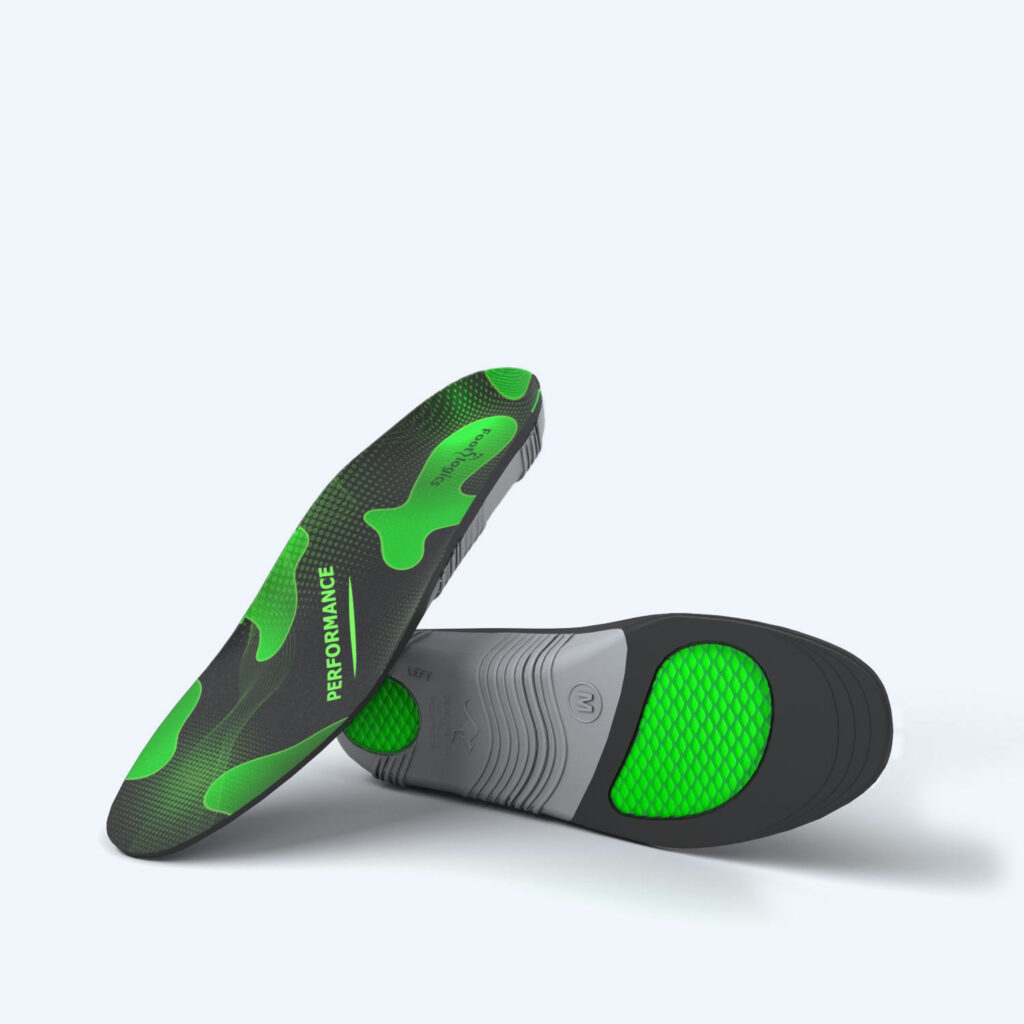
Footlogics PERFORMANCE
CAD $39.95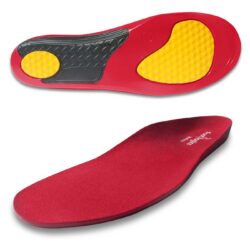
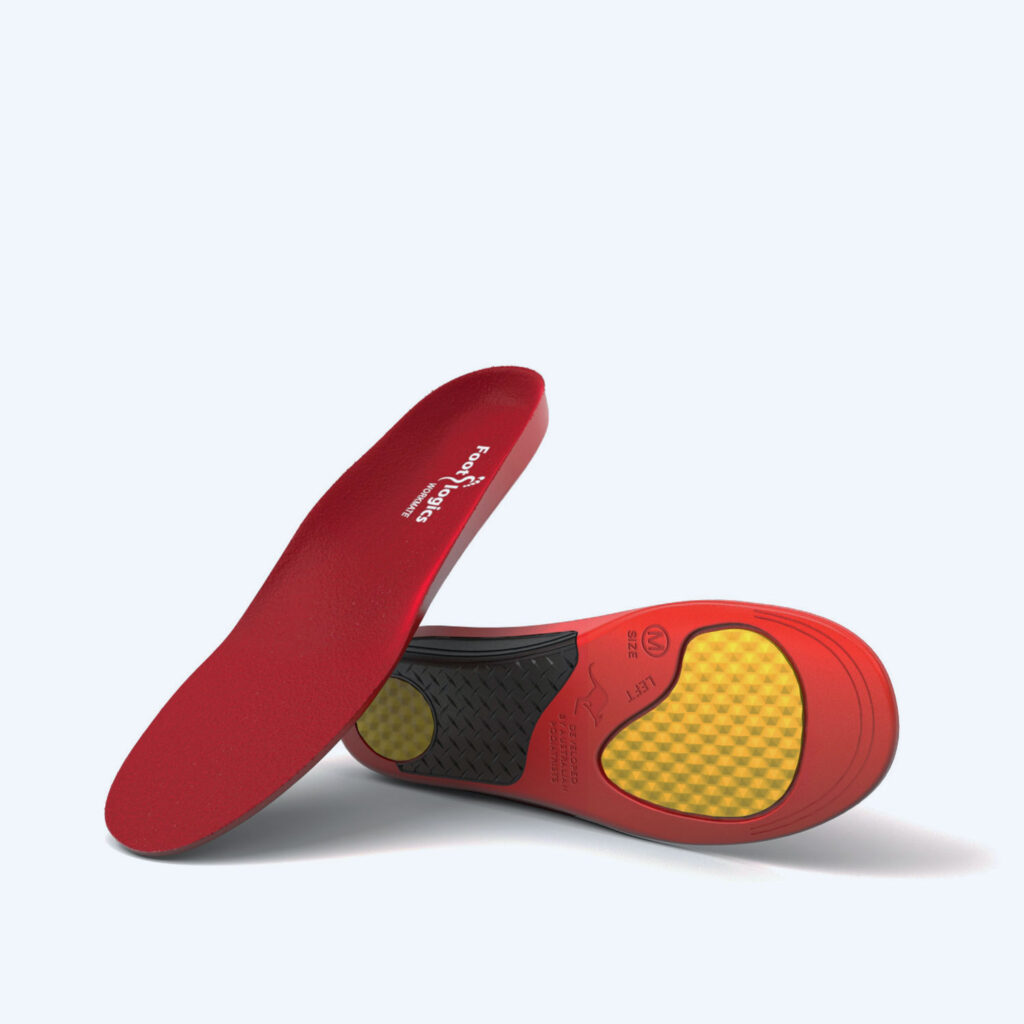
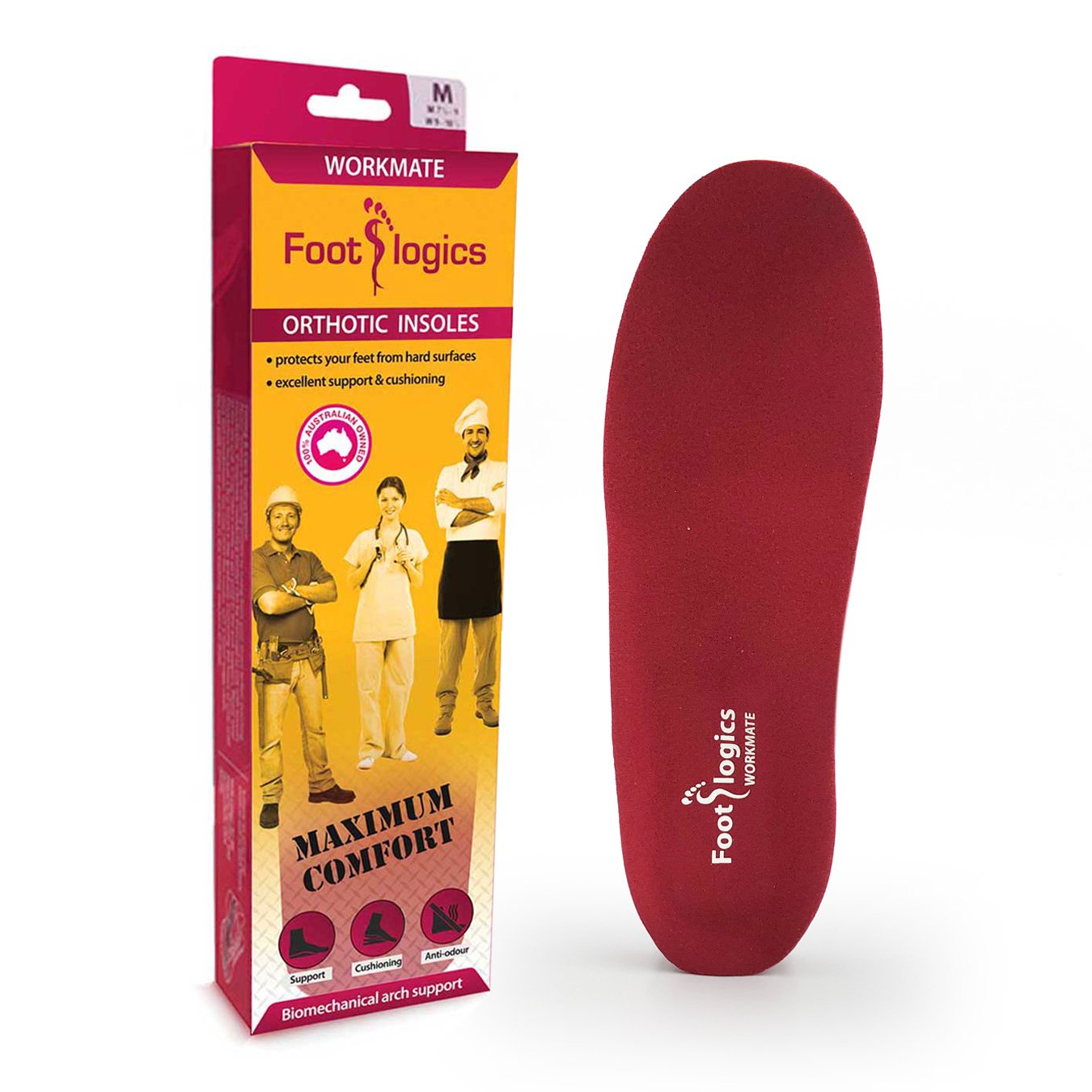
Footlogics WORKMATE
CAD $34.95
headline here
Footlo text here text here, Footlo text here text here,Footlo text here text here,Footlo text here text here,Footlo text here text here Footlo text here text here, Footlo text here text here,Footlo text here text here,Footlo text here text here,Footlo text here text hereFootlo text here text here, Footlo text here text here,Footlo text here text here,Footlo text here text here,Footlo text here text hereFootlo text here text here, Footlo text here text here,Footlo text here text here,Footlo text here text here,Footlo text here text hereFootlo text here text here, Footlo text here text here,Footlo text here text here,Footlo text here text here,Footlo text here text here
headline here
Footlo text here text here, Footlo text here text here,Footlo text here text here,Footlo text here text here,Footlo text here text here Footlo text here text here, Footlo text here text here,Footlo text here text here,Footlo text here text here,Footlo text here text hereFootlo text here text here, Footlo text here text here,Footlo text here text here,Footlo text here text here,Footlo text here text hereFootlo text here text here, Footlo text here text here,Footlo text here text here,Footlo text here text here,Footlo text here text hereFootlo text here text here, Footlo text here text here,Footlo text here text here,Footlo text here text here,Footlo text here text here
headline here
Footlo text here text here, Footlo text here text here,Footlo text here text here,Footlo text here text here,Footlo text here text here Footlo text here text here, Footlo text here text here,Footlo text here text here,Footlo text here text here,Footlo text here text hereFootlo text here text here, Footlo text here text here,Footlo text here text here,Footlo text here text here,Footlo text here text hereFootlo text here text here, Footlo text here text here,Footlo text here text here,Footlo text here text here,Footlo text here text hereFootlo text here text here, Footlo text here text here,Footlo text here text here,Footlo text here text here,Footlo text here text here
headline here
Footlo text here text here, Footlo text here text here,Footlo text here text here,Footlo text here text here,Footlo text here text here Footlo text here text here, Footlo text here text here,Footlo text here text here,Footlo text here text here,Footlo text here text hereFootlo text here text here, Footlo text here text here,Footlo text here text here,Footlo text here text here,Footlo text here text hereFootlo text here text here, Footlo text here text here,Footlo text here text here,Footlo text here text here,Footlo text here text hereFootlo text here text here, Footlo text here text here,Footlo text here text here,Footlo text here text here,Footlo text here text here
headline here
Footlo text here text here, Footlo text here text here,Footlo text here text here,Footlo text here text here,Footlo text here text here Footlo text here text here, Footlo text here text here,Footlo text here text here,Footlo text here text here,Footlo text here text hereFootlo text here text here, Footlo text here text here,Footlo text here text here,Footlo text here text here,Footlo text here text hereFootlo text here text here, Footlo text here text here,Footlo text here text here,Footlo text here text here,Footlo text here text hereFootlo text here text here, Footlo text here text here,Footlo text here text here,Footlo text here text here,Footlo text here text here
headline here
-
Footlo text here text here, Footlo text here text here,Footlo text here text here,Footlo text here text here,Footlo text here text here Footlo text here text here, Footlo text here text here,Footlo text here text here,Footlo text here text here,Footlo text here text hereFootlo text here text here, Footlo text here text here,Footlo text here text here,Footlo text here text here,Footlo text here text hereFootlo text here text here, Footlo text here text here,Footlo text here text here,Footlo text here text here,Footlo text here text hereFootlo text here text here, Footlo text here text here,Footlo text here text here,Footlo text here text here,Footlo text here text here
headline here
Footlo text here text here, Footlo text here text here,Footlo text here text here,Footlo text here text here,Footlo text here text here Footlo text here text here, Footlo text here text here,Footlo text here text here,Footlo text here text here,Footlo text here text hereFootlo text here text here, Footlo text here text here,Footlo text here text here,Footlo text here text here,Footlo text here text hereFootlo text here text here, Footlo text here text here,Footlo text here text here,Footlo text here text here,Footlo text here text hereFootlo text here text here, Footlo text here text here,Footlo text here text here,Footlo text here text here,Footlo text here text here
headline here
Footlo text here text here, Footlo text here text here,Footlo text here text here,Footlo text here text here,Footlo text here text here Footlo text here text here, Footlo text here text here,Footlo text here text here,Footlo text here text here,Footlo text here text hereFootlo text here text here, Footlo text here text here,Footlo text here text here,Footlo text here text here,Footlo text here text hereFootlo text here text here, Footlo text here text here,Footlo text here text here,Footlo text here text here,Footlo text here text hereFootlo text here text here, Footlo text here text here,Footlo text here text here,Footlo text here text here,Footlo text here text here
Best Work Boots Insoles for All-Day Comfort and Support
Introduction
Work boots insoles are the single most impactful upgrade you can make for comfort and foot health during demanding work shifts. If you spend your days standing, walking, or carrying loads on concrete, steel decks, or other hard surfaces, the factory insoles inside most work boots are almost certainly failing your feet. They compress too quickly, offer minimal arch support, and do little to absorb the relentless impact that travels up through your legs, knees, hips, and lower back.
This article covers everything workers need to know about selecting the best work boot insoles: what features matter, how insole quality affects your entire body, and how to match the right insoles to your specific work demands. Whether you’re a construction worker pulling 12-hour days, a warehouse operative on concrete floors, or a healthcare professional constantly on the move, this guide is built for you.
The short answer: Quality work boot insoles provide structured arch support, durable cushioning, and biomechanical alignment that prevent foot pain, reduce fatigue, and protect your joints from the cumulative damage of long shifts on hard surfaces. The best insoles combine shock absorption with durable arch support, and the difference between a premium insole and a stock insert can be dramatic.
By the end of this article, you will:
- Understand why factory insoles fail and how that affects your whole body
- Know the key features that separate effective work insoles from basic inserts
- Be able to choose the right insoles for your specific boots, work environment, and foot type
- Learn how to prevent common work-related foot problems like plantar fasciitis and heel pain
- Gain practical guidance on fit, trimming, maintenance, and replacement timing
Understanding Work Boot Insoles and Foot Health
Your feet are the foundation for every movement you make at work. When that foundation is poorly supported, the effects ripple upward through your entire body-altering knee alignment, straining hip joints, and placing stress on your lower back. For workers spending 8 or more hours in boots on unforgiving surfaces, understanding the connection between foot support and overall health isn’t optional-it’s essential.
Why Standard Factory Insoles Fall Short
The insoles that come stock inside most work boots are typically made from thin foam or basic EVA (Ethylene-Vinyl Acetate). They’re flat, flimsy, and designed to a generic shape that ignores the complex anatomy of your foot. These basic inserts compress quickly under repeated load-low-quality insoles may flatten within weeks of use-leaving you standing on what amounts to a thin piece of cardboard by mid-shift.
Without adequate arch support, your foot’s natural alignment breaks down. The medial arch collapses under body weight, leading to over-pronation (excessive inward rolling of the foot) and increased strain on the plantar fascia, the thick band of tissue running along your sole. Factory insoles also lack meaningful shock absorption. On concrete or steel surfaces, every step sends impact forces directly through your heel, up your shin bones, and into your knees. Over weeks and months, this unchecked impact accumulates into chronic pain and injury.
Research confirms what workers already feel: a foundational biomechanics study found that stock shoe inserts do not significantly reduce strain in the plantar aponeurosis, while properly designed arch-support orthoses do. The difference between a factory insert and a quality insole isn’t subtle-it’s structural.
The Chain Reaction of Poor Foot Alignment
Badly aligned feet don’t just cause foot pain-they set off a chain reaction that affects your entire body. When your arch collapses or your heel rolls inward, your tibia (shin bone) rotates internally. This rotation increases valgus stress at the knee, pushing the joint inward and overloading the medial structures. Workers who spend years on poorly supported feet frequently develop patellofemoral pain, often without connecting it to their footwear.
The problems compound further up the kinetic chain. Altered gait patterns from unsupported feet change hip alignment and increase load on the lumbar spine. A study on prolonged standing workers found that semi-rigid arch supports reduced reported low-back discomfort during standing work compared to cushioning-only inserts. The arch support didn’t just help the feet-it helped the back.
This is why looking after your feet when you work long hours in hard boots, on hard floors, matters so much. Your feet absorb enormous forces every day. Without proper support, those forces don’t just stay in your feet-they travel upward, creating strain and discomfort in your knees, hips, and back. Investing in proper insoles for work is investing in the health of your entire body. The right insoles can make all the difference between finishing a shift in discomfort and walking out feeling solid.
Key Features to Look for in Work Boot Insoles
Now that the connection between foot support and whole-body health is clear, the question becomes: what separates effective boot insoles from the rest? Three features matter most for workers on their feet all day-arch support, cushioning, and durability. Understanding each helps you make a purchase that actually solves problems rather than masking them temporarily.
Arch Support and Biomechanical Design
Proper arch support is the most critical feature in any work insole. It’s not about comfort alone-it’s about distributing plantar pressures across your entire foot and maintaining the alignment of bones, tendons, and ligaments throughout your gait cycle. Structured arch support helps maintain foot alignment, reducing the compensatory motions that lead to knee, hip, and back strain. Most work boots lack adequate arch support out of the box, making aftermarket insoles essential.
Arch support can reduce strain on the plantar fascia, which is key for preventing plantar fasciitis-one of the most common and debilitating foot conditions among workers. For people with flat feet, arch-support insoles show significant benefits: research demonstrates shorter stance time (more efficient gait), increased contact area under the midfoot for better weight distribution, and reduced pressure hotspots. A 2025 finite-element analysis found that increasing insole stiffness led to a 20–50% drop in peak stresses on key foot structures like the calcaneus and metatarsals during both walking and standing-though benefits plateau beyond approximately 3,000 MPa of stiffness.
Insoles for work boots often feature rigid arch supports because semi-rigid biomechanical designs outperform soft foam for sustained support. They improve stability, reduce fatigue, and prevent the arch collapse that drives over-pronation.
Cushioning and Shock Absorption
Cushioning reduces impact shock on hard surfaces, but not all cushioning is equal. The goal isn’t maximum softness-it’s lasting shock absorption that doesn’t compress flat after a few weeks. Specialized materials like high-density foam or gel are used in work boot insoles to provide resilient energy return throughout long shifts. Anti-fatigue foam or gel insoles absorb shock on hard surfaces like concrete, protecting heels and forefeet from repetitive impact. Shock-absorbing insoles reduce impact for those walking on concrete all day.
A deep heel cup promotes stability in footwear by cradling the calcaneus (heel bone) and preventing excessive lateral movement. Deep heel cups help reduce stress on the heels and can alleviate plantar fasciitis symptoms. Heel cups optimize shock absorption during walking by keeping the heel’s natural fat pad centered beneath the bone where it can do its job. Gel insoles maximize cushioning and heel comfort with better shock absorption, while memory foam insoles mold to feet and relieve pressure points over time, providing customized cushioning for comfort.
Extra cushioning eases pressure on heels and forefoot-the two zones that absorb the most impact during gait. Cushioning helps prevent foot fatigue during long shifts, but it must be paired with structural support to remain effective. Quality insoles maintain cushioning without compressing quickly, unlike basic foam inserts that lose their shape within weeks.
Durability and Material Quality
Work environments punish insoles. Heat, moisture, weight, and repetitive compression all degrade materials over time. Durable insoles resist compression and hold their shape over time, and insoles should withstand daily use without breaking down quickly. High-quality insoles maintain structure under repeated load-this is what separates a six-month insole from one that flattens in six weeks.
Material choices directly affect performance: closed-cell foams resist water absorption; dense polyurethane provides excellent resilience; rigid thermoplastic shells retain form under sustained load. Quality insoles use durable open-cell foam for shock absorption, and insoles with gel, foam, or cork materials affect comfort levels differently. Moisture-wicking materials help manage sweat and odor in insoles-an essential feature for all-day wear in enclosed boots. Look for liners or top covers that wick moisture and incorporate antimicrobial properties to prevent bacterial and fungal growth in warm, damp boot environments.
Quality insoles last several months to a year under heavy use, while custom orthotics may extend to 1–2 years depending on weight, activity level, and materials. Understanding these differences helps you choose insoles that deliver sustained value rather than short-lived comfort.
Choosing the Right Work Boot Insoles for Your Needs
With the essential features understood, the practical question is how to match them to your specific situation. Your work surface, shift length, boot type, body weight, and existing foot conditions all influence which insoles will serve you best. A systematic approach prevents costly trial-and-error.
Assessment Process for Your Work Environment
Before selecting insoles, evaluate four key factors that determine what your feet actually need:
- Evaluate your work surface and shift length. Standing or walking on concrete for 10+ hours demands maximum shock absorption and durability. Lighter surfaces or shorter shifts may allow more flexibility in insole choice. Hard surfaces amplify impact forces-the harder the surface and longer the shift, the more support and cushioning you need.
- Assess current foot problems or pain points. Active heel pain or arch discomfort signals a need for structured biomechanical support, not just cushioning. If you’re struggling with ball of foot pain, look for forefoot padding and metatarsal support. Insoles with arch support can alleviate heel pain, and orthotic insoles are beneficial for plantar fasciitis and flat feet.
- Consider boot type and internal space. Steel toe and composite toe boots often have smaller toe boxes and less internal volume. Many insoles are trim-to-fit to match boot volume and prevent a cramped feeling-but adding a thick insole to an already tight boot can cause heel slippage or toe crowding. Internal boot depth must accommodate the insole plus your sock without elevating the heel excessively.
- Determine support level based on body weight and activity. Heavier workers compress cushioning faster and require stiffer materials to maintain shape and support. If you carry heavy loads or gear, features like rigid arch shells and deep heel cups become even more important. Heat-moldable insoles adapt to unique foot shapes for better support, offering a middle ground between generic and custom.
Comparison of Insole Types for Work Boots
| Criterion | Basic Cushioning | Biomechanical Support | Heavy-Duty / Industrial | Custom / Medical-Grade |
|---|---|---|---|---|
| Arch Support Level | Minimal | Medium (structured shell) | High (reinforced) | Maximum (personalized) |
| Best Work Environment | Light duty, short shifts | Demanding boots, long shifts on concrete | Extreme conditions, 10–14 hr days | Severe foot conditions, structural issues |
| Durability | 3–6 months | 6–12 months | 12+ months | 1–2 years |
| Price Range | Under $20 | $30–$60 | $60–$100+ | $200+ |
| Example | Basic foam inserts | Footlogics Workmate | Composite-reinforced orthotics | Scan-based custom orthotics |
Top-rated insoles for work boots enhance comfort and support by combining multiple features. For most workers, biomechanical support insoles like the Footlogics Workmate hit the optimal balance-they provide a firm anatomical shell, medium arch support, gel padding in the heel and forefoot, and a PU top layer for comfort, without the cost or lead time of custom orthotics. Best insoles combine shock absorption with durable arch support at a price point that makes regular replacement practical.
If your work demands are extreme-14-hour days in heavy boots on concrete-consider stepping up to heavy-duty or medical-grade options. If you have significant structural issues like severe flat feet or chronic plantar fasciitis, a specialist evaluation may be warranted to determine whether custom orthotics justify the higher investment.
Common Challenges and Solutions
Even with quality insoles, workers encounter practical challenges. Here are the most common issues and how to solve them.
Foot Fatigue and End-of-Day Pain
Foot fatigue after long shifts is a sign that your current insoles aren’t providing adequate biomechanical support or cushioning distribution. The solution isn’t just softer padding-it’s structured support that maintains your arch throughout the day while absorbing impact at the heel and forefoot.
The Footlogics Workmate addresses this directly with its firm anatomical shell for arch support, deep heel cup for stability, and gel padding for cushioning-delivering all-day comfort even on the hardest surfaces. One construction worker using Workmate insoles reported that his constant foot ache was “almost gone” within one week of use during 14-hour days. Another user noted the arch height helped reduce foot rolling and improved overall support. Proper arch support reduces foot fatigue and pain by keeping your foot aligned rather than letting it collapse under load.
Insoles Not Fitting Properly in Work Boots
Fit problems are the most common reason good insoles fail to deliver results. Always remove the factory insole before inserting your new pair. Full-length insoles like the Workmate are trimmable-align the heel of the insole with your boot’s heel, then trim at the toe using the factory insole as a cutting guide. This ensures the arch support lands under the correct part of your foot; improper alignment can render arch support useless or even harmful.
Steel toe boots present specific challenges: their stiffer uppers and reinforced toe boxes leave less room for adjustment. After inserting new insoles, check that your toes aren’t crowded against the toe cap and that your heel doesn’t slip. You may need to adjust lacing tension or, in some cases, size up a half-size when planning to use thicker supportive insoles.
Insoles Wearing Out Too Quickly
If your insoles are flattening or losing shape quickly, it’s typically a sign of either low-quality materials or conditions that demand more robust construction. Durable insoles resist compression and hold their shape over time, but all insoles are consumable items. Insoles should be replaced every six to twelve months based on usage-sooner for heavier workers or those on particularly demanding surfaces.
To extend insole life, consider rotating between two pairs if your schedule allows, letting each pair decompress between shifts. Watch for the signs that replacement is due: visible compression in the heel or forefoot area, loss of arch shape, returning pain or discomfort that the insoles previously resolved, and wear-through of the top cover. High-quality insoles maintain structure under repeated load for durability, but no insole lasts forever. Replacing worn insoles on schedule is far less expensive than treating chronic foot, knee, or back problems.
Conclusion and Next Steps
Work boot insoles are not an accessory-they’re a critical piece of protective equipment for anyone who earns their living on their feet. The right insoles prevent foot pain, reduce fatigue, protect your joints from cumulative damage, and can genuinely make all the difference in your quality of life both on and off the job.
To take action now:
- Remove and inspect your current insoles. If they’re flat, compressed, or worn through, they’re hurting rather than helping you.
- Assess your work demands using the four-step process above-surface type, existing pain, boot fit, and body weight.
- Invest in quality biomechanical insoles that combine arch support, shock absorption, and durability. The Footlogics Workmate is an excellent starting point for most workers, offering podiatrist-designed support at a practical price.
- Set a replacement schedule. Mark your calendar for 6–12 months out and commit to replacing insoles before pain returns.
For related reading, explore how proper boot selection complements insole choice, and learn more about specific conditions like heel spurs and plantar fasciitis that quality insoles can help prevent.
Frequently Asked Questions
How often should I replace my work boot insoles?
Insoles should be replaced every six to twelve months based on usage. Under heavy conditions-long shifts on concrete, high body weight, or physically demanding jobs-insoles may need replacing closer to the six-month mark. Custom orthotics typically last 1–2 years. Watch for signs like loss of shape, compressed cushioning, visible wear, or the return of foot pain.
How do I know if my insoles are worn out?
Key indicators include visible compression in the heel or forefoot area, loss of arch support shape, thinning or wear-through of the top cover material, and the gradual return of foot fatigue, heel pain, or discomfort that the insoles previously resolved. If you press your thumb into the heel area and it doesn’t spring back, the cushioning has likely failed.
Can insoles help with plantar fasciitis?
Yes. Orthotic insoles are beneficial for plantar fasciitis and flat feet. Research shows that arch-support orthoses significantly decrease strain in the plantar aponeurosis compared to barefoot conditions and stock inserts. Insoles with structured arch support and a deep heel cup-like the Footlogics Plantar Fasciitis insole-can reduce the strain on the plantar fascia that causes this condition.
Will thick insoles fit inside steel toe boots?
Many insoles are trim-to-fit to match boot volume and prevent a cramped feeling. However, steel toe and composite toe boots have less internal space due to their reinforced toe caps. Always remove the factory insole first, and verify that adding the new insole doesn’t crowd your toes against the cap or cause heel slippage. Some workers find they need to go up a half size when using thicker supportive insoles.
What’s the difference between memory foam and orthotic insoles?
Memory foam insoles mold to feet and relieve pressure points over time, providing customized cushioning for comfort-but they lack structural arch support and compress relatively quickly under heavy use. Orthotic insoles feature rigid or semi-rigid arch supports that maintain foot alignment and prevent over-pronation. For workers on hard surfaces during long shifts, orthotic insoles with integrated cushioning offer far more sustained benefit than memory foam alone.
Are heat-moldable insoles worth it for work boots?
Heat-moldable insoles adapt to unique foot shapes for better support, offering a customized fit without the cost of fully custom orthotics. They’re a good option for workers with unusual arch profiles or foot shapes that don’t match standard insole contours. However, the moldable element is primarily in the footbed surface-the structural support features (arch shell, heel cup) still determine overall biomechanical effectiveness.
Do I need different insoles for different types of work boots?
Not necessarily, but boot type matters for fit. Most quality work insoles like the Footlogics Workmate are designed to fit most types of work footwear including steel or composite toe boots. The key is ensuring adequate internal volume. Boots with removable factory insoles are easiest to work with. For work shoes with less depth, a slimmer profile insole may be more appropriate.
Can insoles reduce knee and back pain from standing all day?
Yes. Poorly aligned feet create a chain reaction that stresses knees, hips, and the lower back. Research on prolonged standing workers found that semi-rigid arch supports reduced reported low-back discomfort compared to cushioning-only inserts. By maintaining proper foot alignment, quality insoles reduce the compensatory movements that transfer strain up the kinetic chain.
Are expensive custom orthotics worth it over quality OTC insoles?
For most workers without severe structural foot problems, quality over-the-counter biomechanical insoles ($30–$60) provide excellent support and value. A study on semiconductor factory workers found that customized insoles tailored to individual arches significantly improved plantar pressure distribution, but this level of customization is typically only necessary for severe deformities or chronic conditions that don’t respond to prefabricated options. For the majority, replacing a quality OTC insole every 6–12 months is more cost-effective than a single pair of custom orthotics at $200+.
What arch support level do I need?
Your arch height determines the ideal support level. Medium arch support suits most workers and is the most common configuration in quality work insoles. If you have flat feet (fallen arches), you may benefit from stronger medial arch contour and anti-pronation features. High-arched feet typically need more cushioning to compensate for concentrated pressure in the heel and forefoot.
Here are SEO-friendly answers that are informative, medically responsible and suitable for both visitors and FAQPage schema.
Can orthotic insoles help prevent plantar fasciitis in workers?
Yes. Orthotic insoles can help reduce the risk of plantar fasciitis by supporting the arch, stabilising the heel and reducing excessive strain on the plantar fascia. People who spend long hours standing or walking on hard surfaces—such as warehouse workers, nurses, retail staff and tradespeople—place repeated stress on the feet. A quality orthotic helps distribute pressure more evenly, improves foot alignment and reduces fatigue, making plantar fasciitis less likely to develop. While no insole can guarantee prevention, supportive orthotics are widely recommended as part of a preventative foot care strategy.
Are orthotics suitable for tradies and construction workers?
Absolutely. Tradies and construction workers often spend 8–12 hours a day on concrete, ladders and uneven ground while carrying heavy loads. Orthotic insoles provide additional arch support, heel stability and shock absorption to reduce foot fatigue and improve comfort throughout the working day. They may also help relieve common conditions such as plantar fasciitis, heel pain, Achilles tendon discomfort and pain in the ball of the foot. Most orthotics fit comfortably inside standard work boots and steel toe safety boots.
Which work boots are best for orthotic insoles?
The best work boots for orthotic insoles have a removable factory insole, sufficient depth to accommodate the orthotic and a firm, supportive heel counter. Boots with a stable midsole provide the best foundation for an orthotic to work effectively. If your work boots already fit correctly, simply replacing the original insole with a quality orthotic is usually all that is required. Choosing boots that are slightly deeper rather than wider often provides the most comfortable fit.
How do I know if I need arch support in my work boots?
You may benefit from arch support if you experience aching feet after work, heel pain, arch pain, pain in the ball of the foot, tired legs or discomfort in your knees or lower back after prolonged standing. Excessive wear on the inside edge of your boots or obvious over-pronation (feet rolling inward) can also indicate that additional support is needed. A supportive orthotic helps improve foot alignment, reduce excessive foot motion and make long working days more comfortable.
Can orthotics help with knee and lower back pain caused by standing all day?
In many cases, yes. Poor foot alignment can affect the position of the ankles, knees, hips and lower back, placing extra stress on these joints during prolonged standing or walking. By improving foot posture and providing better support, orthotic insoles may reduce abnormal loading through the lower limbs and help relieve discomfort in the knees, hips and lower back. However, because these symptoms can have many causes, persistent pain should be assessed by a healthcare professional.
What is the difference between gel insoles and orthotic insoles?
Gel insoles are primarily designed to provide extra cushioning and shock absorption, making them suitable for short-term comfort. However, they generally provide little structural support or control of foot movement. Orthotic insoles are specifically designed to support the arches, stabilise the heel, improve foot alignment and redistribute pressure across the foot. For people with conditions such as plantar fasciitis, flat feet, over-pronation or ongoing foot pain, orthotic insoles typically provide greater long-term benefits than gel insoles alone.
