
Orthotic INSOLES
for FLAT FEET
Footlogics offers a range of medical-grade insoles for flat feet, fallen arches and over-pronation, including orthotics for sports, running or every-day use. Plus, insoles for women’s fashion footwear and men’s slip-on shoes.
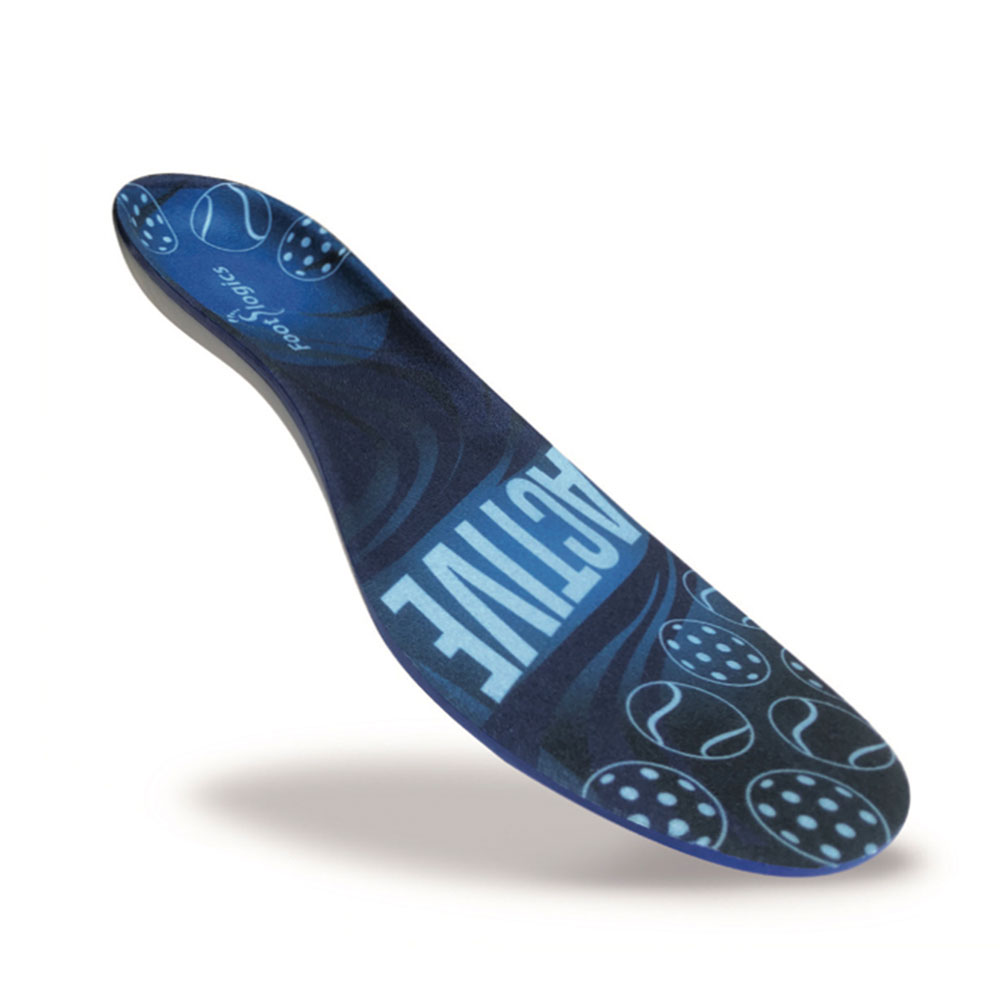
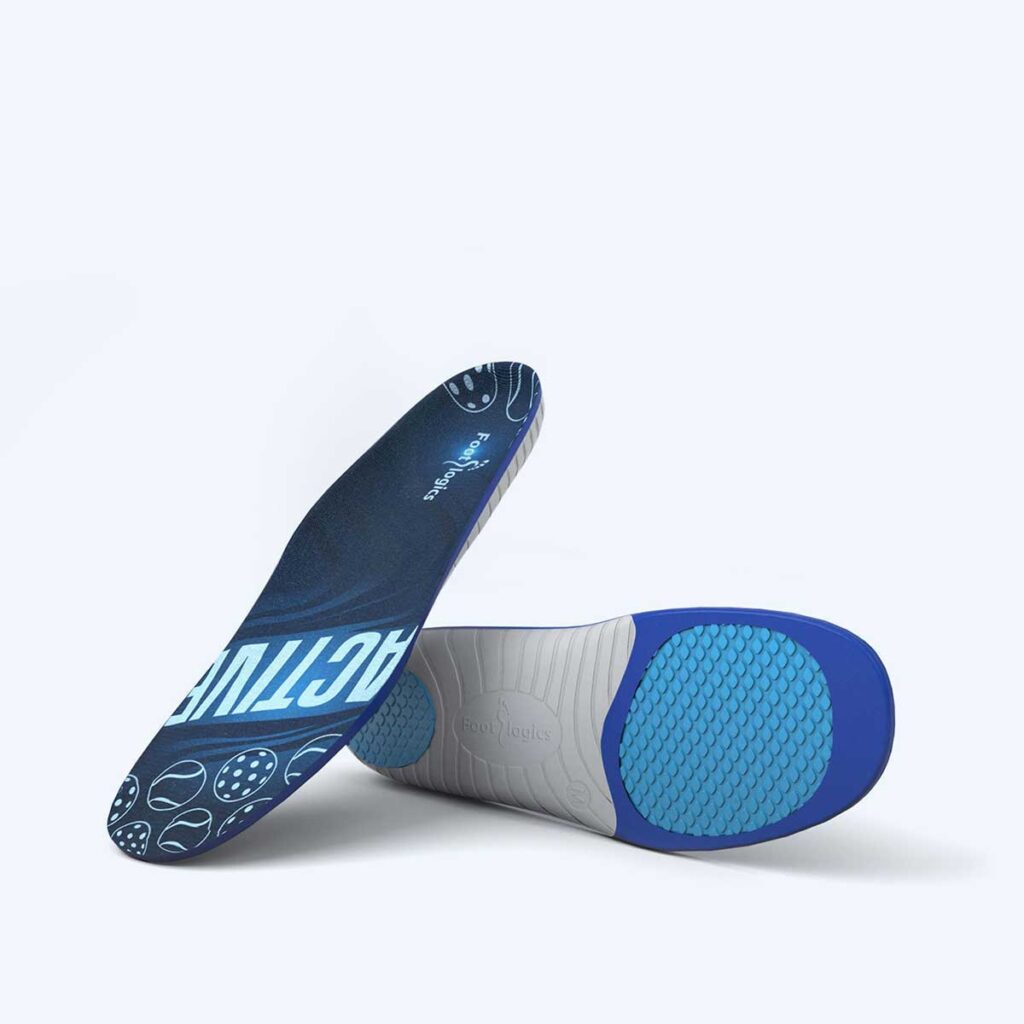
Footlogics ACTIVE
CAD $39.95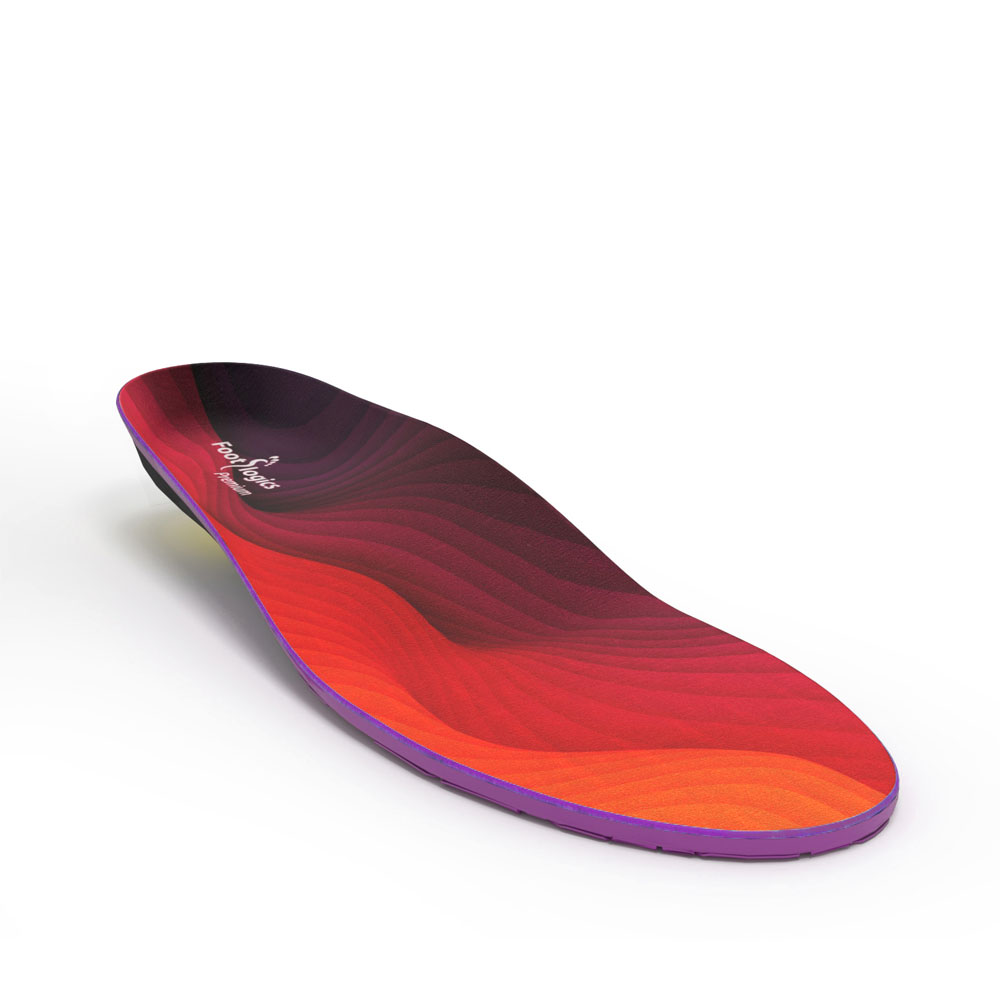
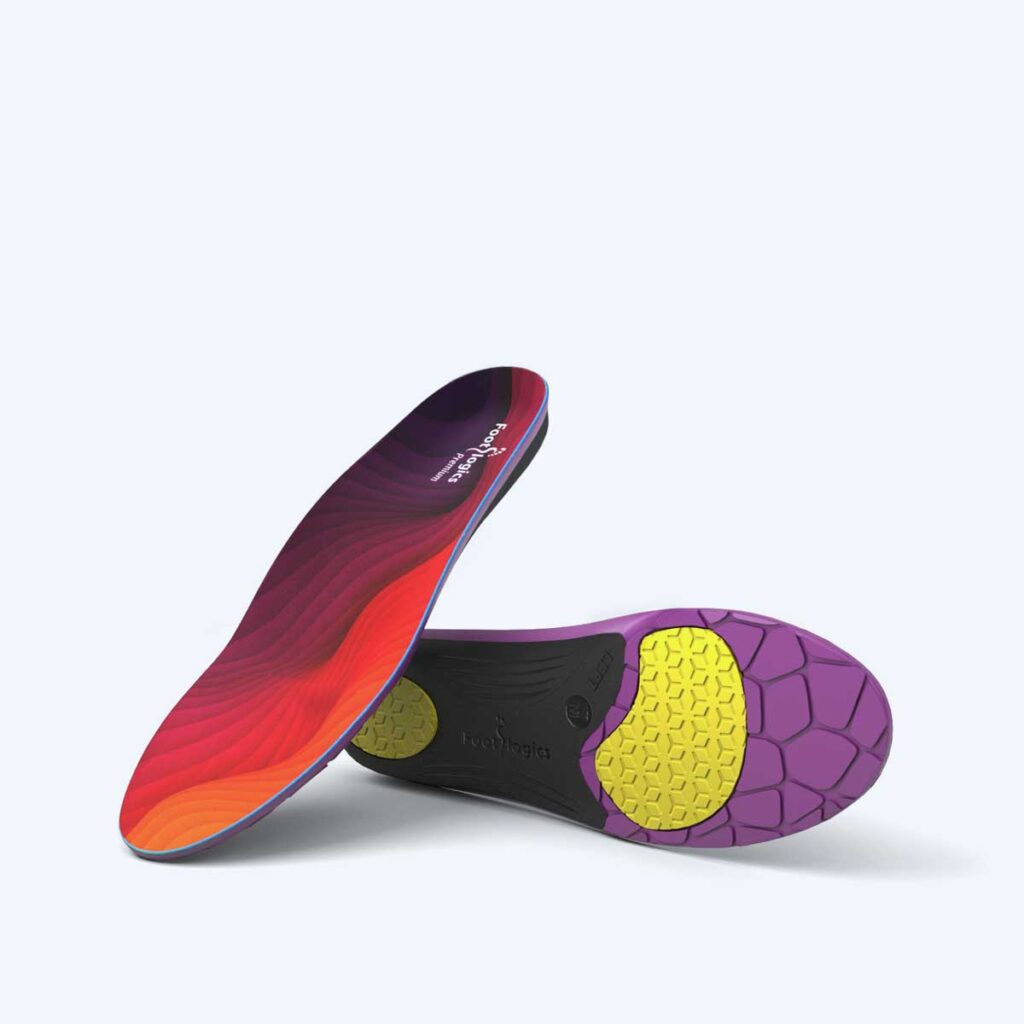
Footlogics PREMIUM
CAD $44.95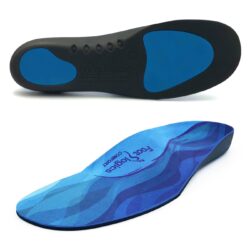
Footlogics COMFORT
CAD $36.95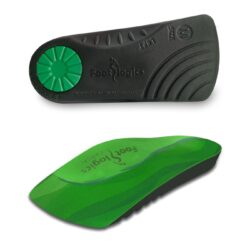
Footlogics CASUAL
CAD $32.95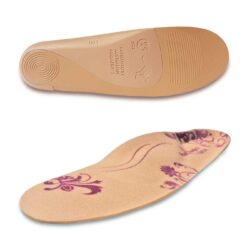
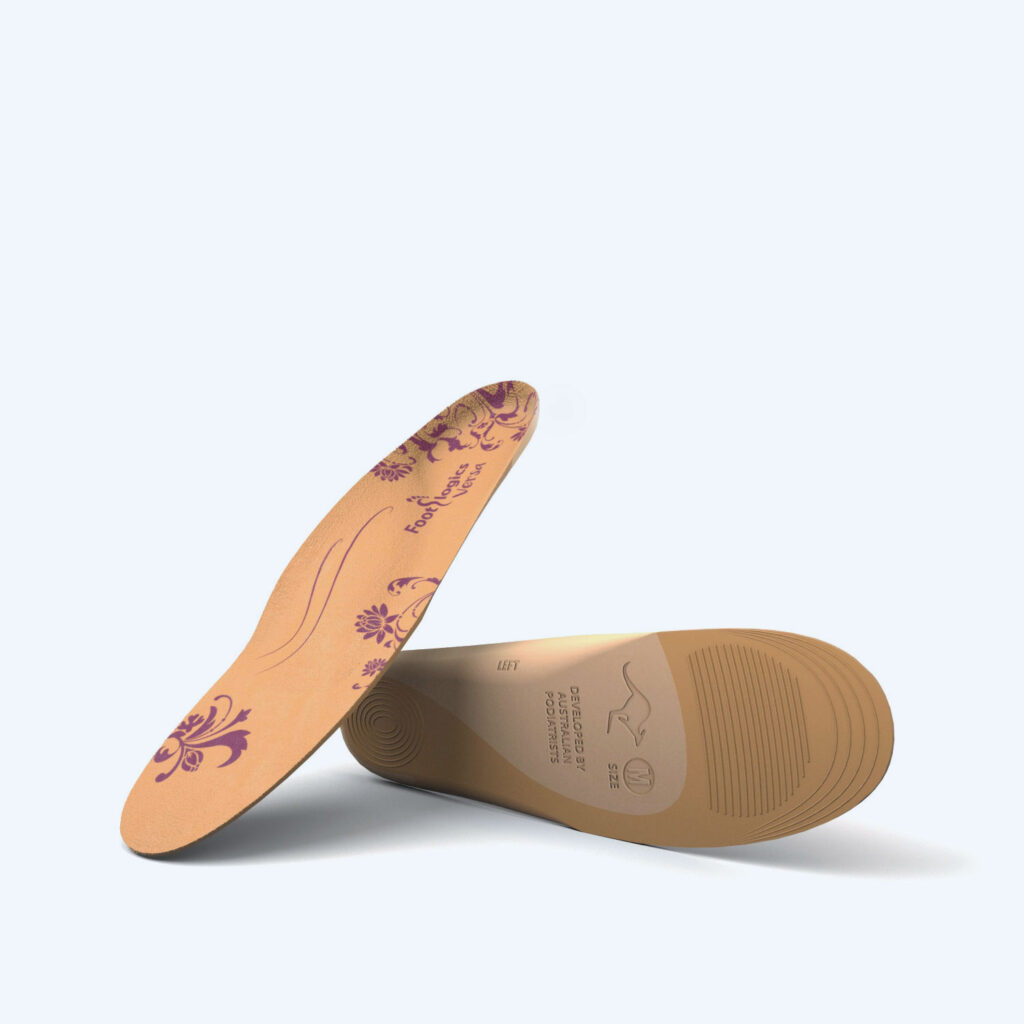
Footlogics VERSA
CAD $34.95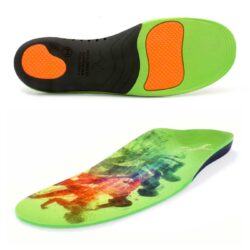
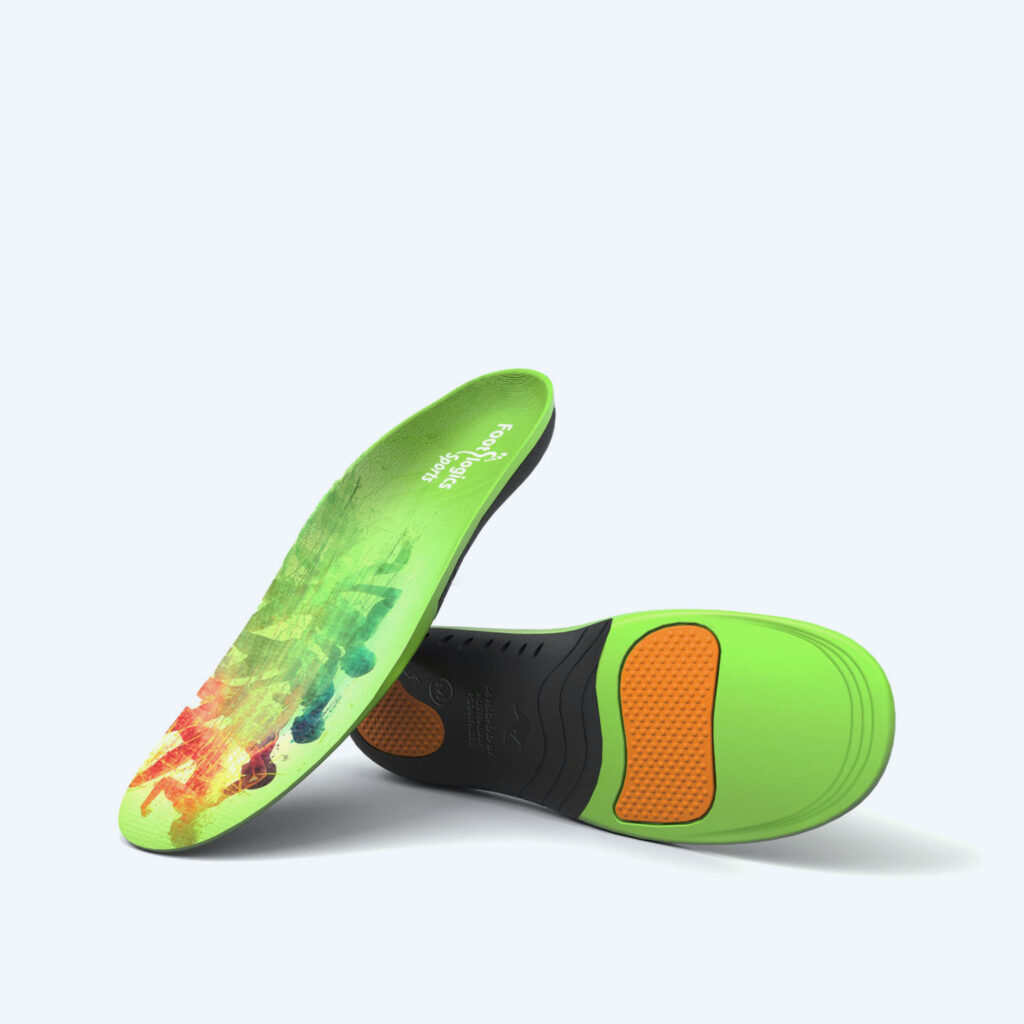
Footlogics SPORTS
CAD $39.95
Arch support insoles for flat feet and fallen arches
Flat feet insoles are shoe inserts with built-in arch support that can greatly help reduce foot pain, knee pain, and lower back pain caused by flat feet, over-pronation, and fallen arches. The right pair of arch support insoles helps the foot sit in a better position, so the ankles, knees, hips, and back aren’t forced to compensate all day.
Footlogics specializes in “over-the-counter” orthotics for flat feet, offering a wide range of flat feet insoles that come with a solid 30-day money-back guarantee, free shipping, and easy, free returns. This page explains what flat feet are, why symptoms often appear between the ages of 30 and 50, and how Footlogics flat feet insoles can help…
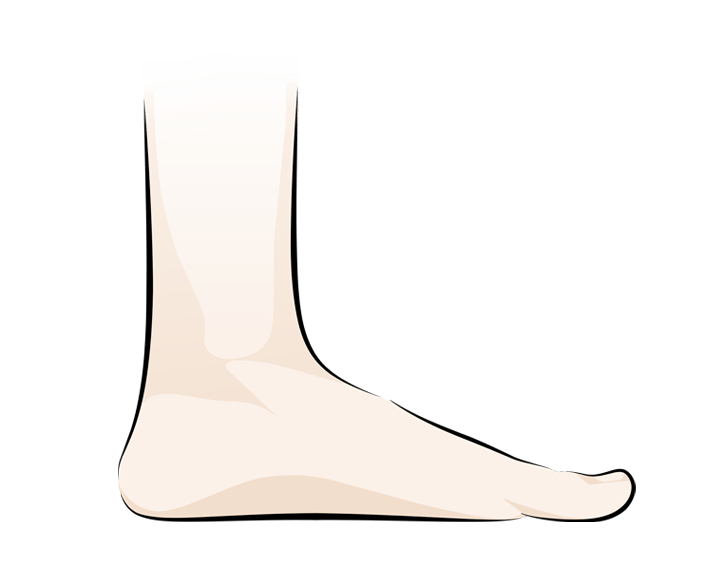
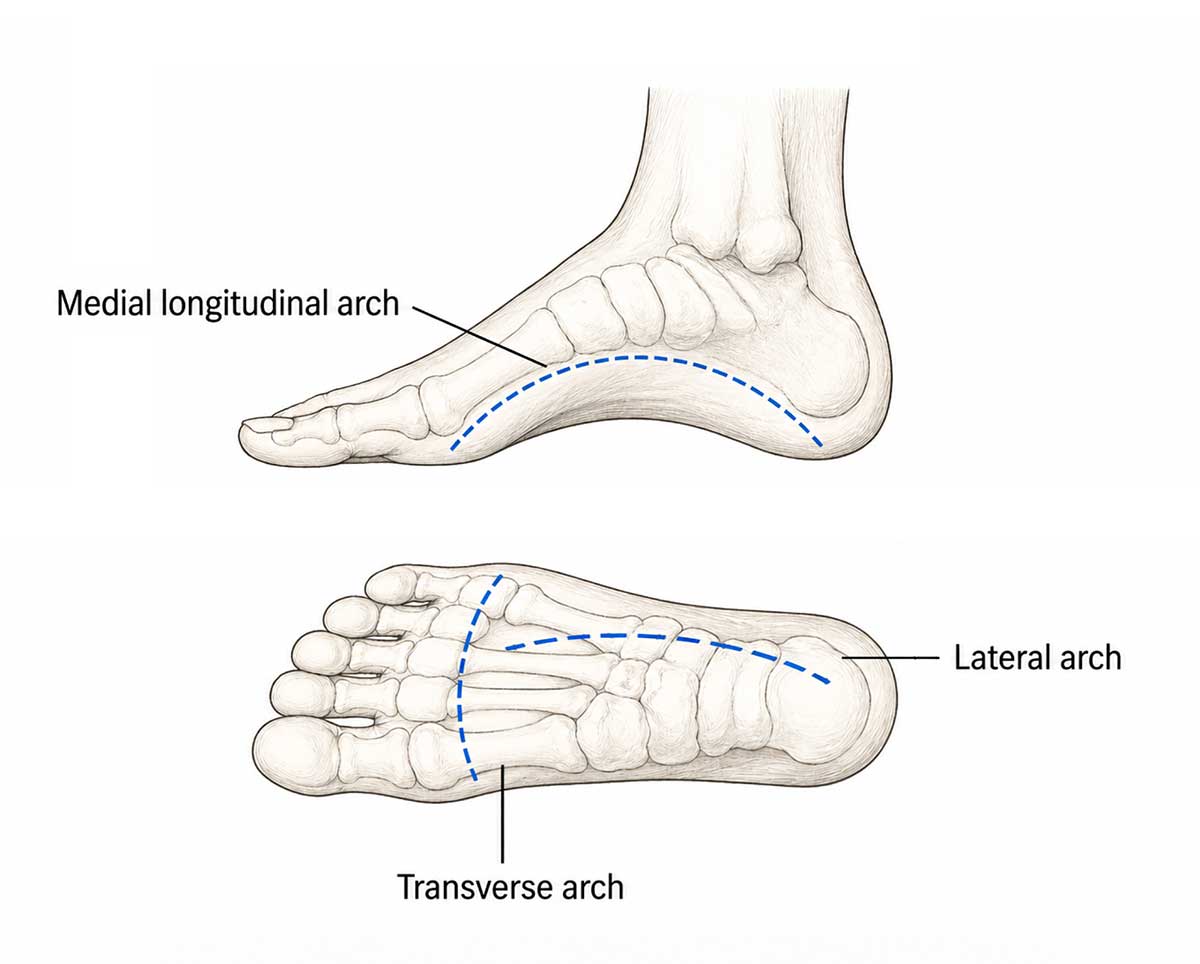
What does having ‘flat feet’ mean?
Flat feet is also called Pes Planus. This is when the arch is low or has collapsed, so most of the bottom of the foot touches the ground when standing. You can check for this with a simple wet footprint test: if you have a normal arch, you’ll see a curved gap along the inner edge of the footprint; if you have flat feet, the print will appear fuller, with little to no gap.
The arch of the foot plays an important role in shock absorption, spreading pressure evenly across the foot, and reducing the risk of injury during activity. It also supports balance and alignment through the ankles, knees, hips, and spine. Estimates suggest that between 20% and 30% of adults have flat feet or low arches, and many don’t experience symptoms until stress from work, weight, activity, or age begins to affect them. “Flexible flat feet” show an arch when sitting but flatten under weight-bearing, while “rigid flat feet” remain flat regardless of position. Rigid and more severe cases require closer clinical attention.
Flat feet vs fallen arches
Hereditary flat feet are passed down from parents and are caused by genetics, loose ligaments, or an inherited foot shape. Children have physiological flat feet until around 5–6 years of age, and while most go on to develop an arch later in life, some remain flat-footed into adulthood.
Acquired flat feet, flat feet that develop over time, can result from tendon or ligament injury, pregnancy, arthritis, obesity, prolonged standing, aging, or problems with the posterior tibial tendon. Flat feet can also worsen after an ankle fracture or tendon injury, particularly from the mid-30s onward. Whatever the cause, supportive insoles and orthotics remain the mainstay of conservative treatment for symptom relief.
How flat feet affect the rest of your body
Imagine the body as a kinetic chain. When the foot rolls too much, those forces travel upward. Without the structural support and shock absorption of a healthy arch, flat feet can cause pain and injury to the ankles, knees, hips, and lower back.
Over-pronation is when the foot rolls inward too much. Flat feet cause the arches to collapse, which can lead to over-pronation and additional strain on the muscles, joints, and ligaments in the foot. This can eventually contribute to knee and lower back pain. As the ankle inverts, the lower leg rotates inward, which can lead to shin splints, patellofemoral pain, IT band strain, and early wear on the knee joint. A large Framingham study found that planus foot posture was associated with increased odds of knee pain and medial knee cartilage damage.
Altered leg alignment may also tilt the pelvis, placing added stress on the hips and lumbar spine. Many people first seek help for back pain after a long shift on their feet at work, or sore shins after a full day walking around a theme park or big box store, only to later discover their feet are the real foundation of the problem. Supportive insoles can help correct the misalignment caused by over-pronation, which may otherwise affect posture and contribute to pain in the knees, hips, and lower back. Arch support plays a critical role in maintaining proper foot alignment, helping to reduce strain on the knees, hips, and lower back during daily activity.
Common foot complaints linked to Flat Feet
Those with flat feet can experience foot pain, swelling, and difficulty standing or walking for extended periods. This condition can worsen these symptoms over time.
Plantar fasciitis is inflammation of the plantar fascia, the ligament-like band that runs from the heel to the toes. It often causes sharp pain in the heel, especially first thing in the morning.
Over-pronation can lead to muscle fatigue and soreness, plantar fasciitis, tendonitis, and joint alignment problems.
Metatarsalgia (ball-of-foot pain) causes a burning or throbbing sensation under the forefoot, particularly when wearing dress shoes, high heels, or shoes with thin, unpadded soles. Heel spurs, foot fatigue, and bunions are also common. Exercises can help, but correcting alignment with orthotic insoles is usually the foundation for lasting relief.
How flat feet insoles, orthotics and shoe inserts help
Insoles, orthotics, and shoe inserts are removable supports that you put in your shoes. While proper insoles don’t cure flat feet, they can improve biomechanical alignment, redistribute pressure, and help relieve pain.
The goal isn’t to force a high arch. It’s to offer support through a supportive arch, reducing over-pronation and spreading pressure more evenly. By stabilizing the heel, controlling over-pronation, and distributing weight more evenly, insoles can help correct biomechanics and relieve strain throughout the lower body.
Footlogics is the happy medium between basic cushioned inserts and pricey custom orthotics. Custom orthotics are designed to fit precisely to the contours of a person’s feet and offer personalized correction and pressure relief, but most people with flat feet can start with good-quality, over-the-counter support.
Good insoles include firm arch support, a deep heel cup, and motion control to help correct over-pronation. Look for flat feet orthotics that offer supportive arch structure, cushioning, and a deep heel cradle to help improve alignment and reduce discomfort. A deep heel cup cradles the heel bone, centres the fatty pad beneath it, and increases heel stability — helping to prevent the foot from rolling inward too much. Look for firm support rather than soft, squishy gel inserts, which don’t provide the structural support flat feet need. Good arch support should feel firm and supportive, without feeling like a hard, uncomfortable lump.
Cushioning, Shock Absorption, All-Day Comfort
Quality insoles provide shock absorption in both the heel and forefoot. People with low arches often need insoles for over-pronation that combine shock absorption with stability, especially for exercise. Proper arch support can improve comfort and performance during physical activity by reducing foot fatigue and improving stride efficiency. They can make hard work boots, athletic shoes, sneakers, and even some zero-drop shoes more comfortable, especially for wide feet that need a roomier toe box.
Footlogics flat feet solutions: six insole options
Footlogics offers six insoles for flat feet: Premium, Comfort, Casual, Sports, Versa, and Active. Each is designed with podiatrist and physiotherapist input, international shipping, free shipping, affordability, and a 30-day guarantee.
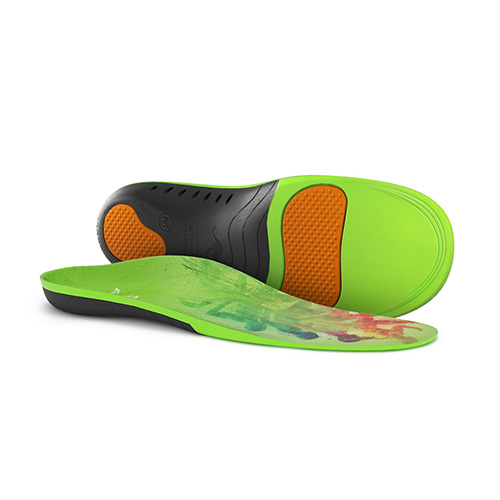
Footlogics Sports
Footlogics Sports is designed for running, gym training, basketball, soccer, netball, and HIIT. It offers strong support, a reinforced heel cup, and extra cushioning in the heel and forefoot. Rigid or semi-rigid orthotics are built to help correct mechanical alignment and control over-pronation, fitting well in structured athletic or walking shoes. Sports is ideal when you need running insoles that support flat feet and help reduce impact.
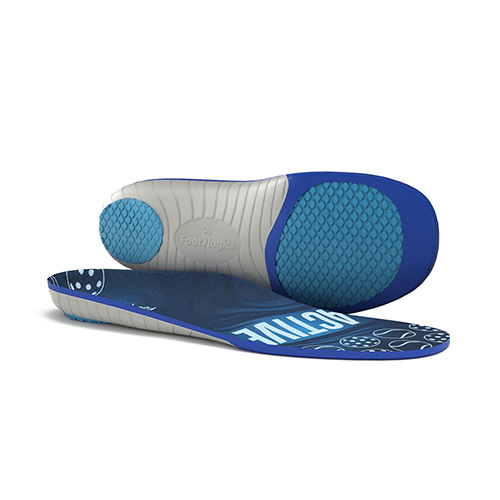
Footlogics Active
‘Active’ is the latest Footlogics insole for pickleball and tennis players with flat feet. It provides strong medial support, a deep heel cradle, side-to-side stability, forefoot cushioning, and metatarsal support for quick stops on hard courts.
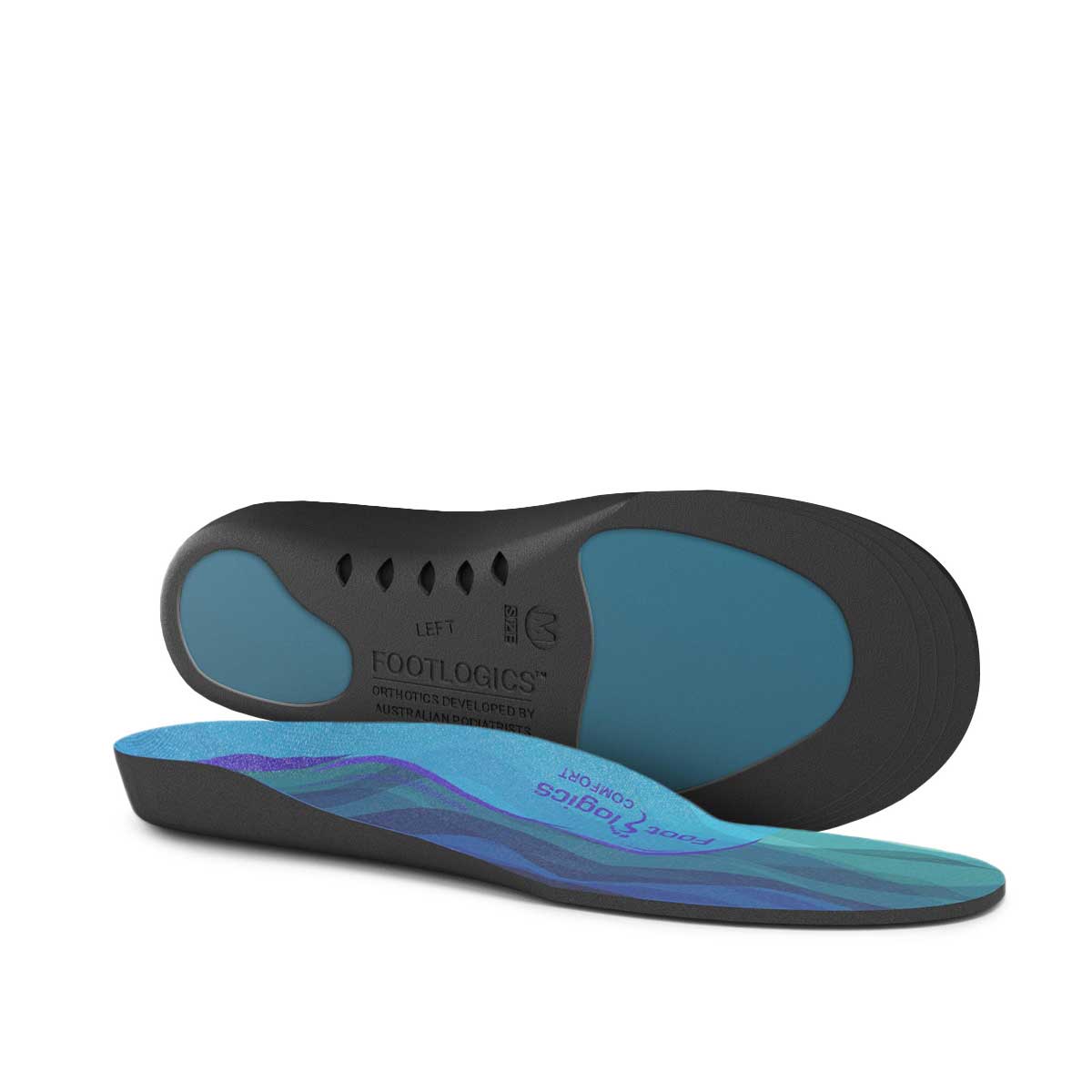
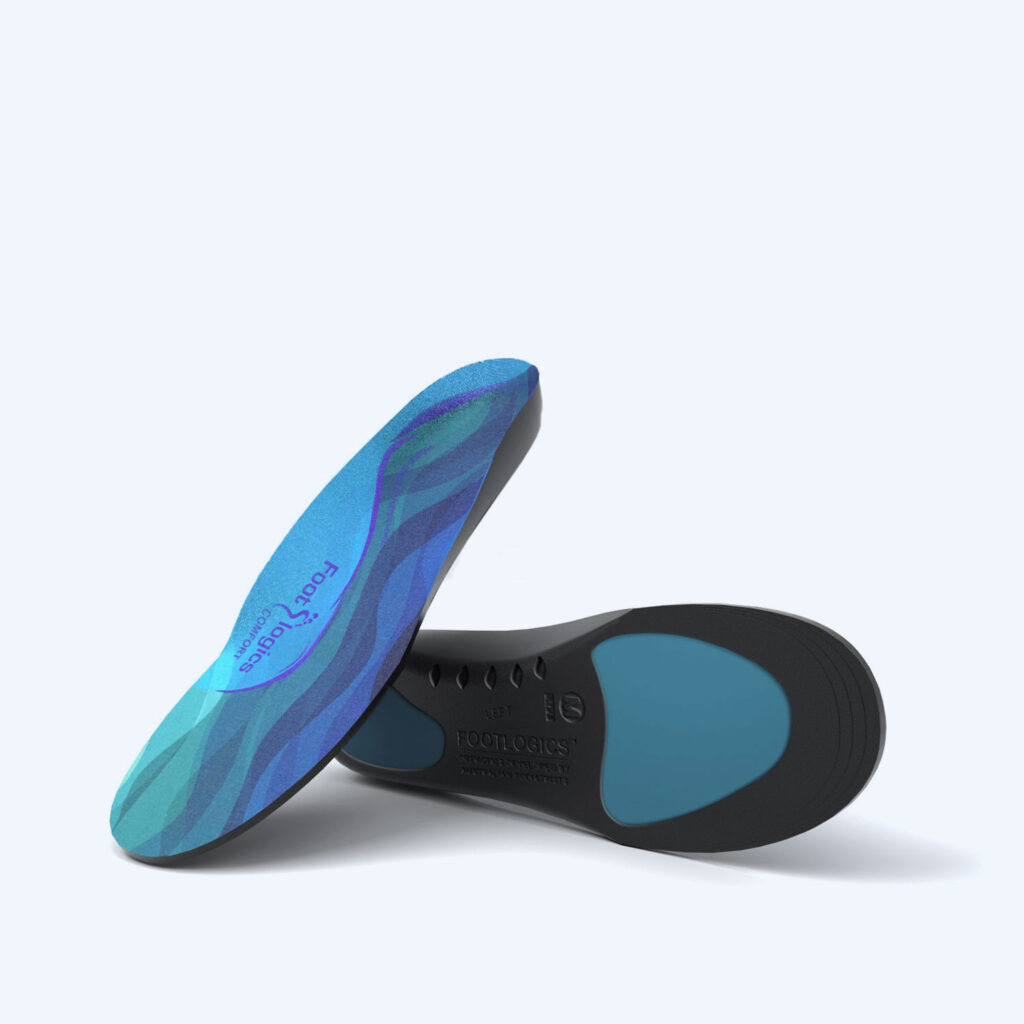
Footlogics Comfort
Footlogics Comfort has medium-firm high arch support and a very deep, stabilizing heel cup and mild metatarsal support. It is the orthotic of choice for many podiatrists and physical therapists. Great for flat feet, plantar fasciitis, knee or lower pain back. The insole fits everyday sneakers, casual lace-ups, and many work shoes.
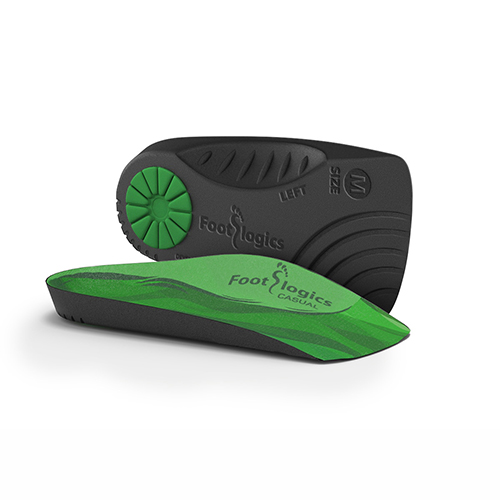
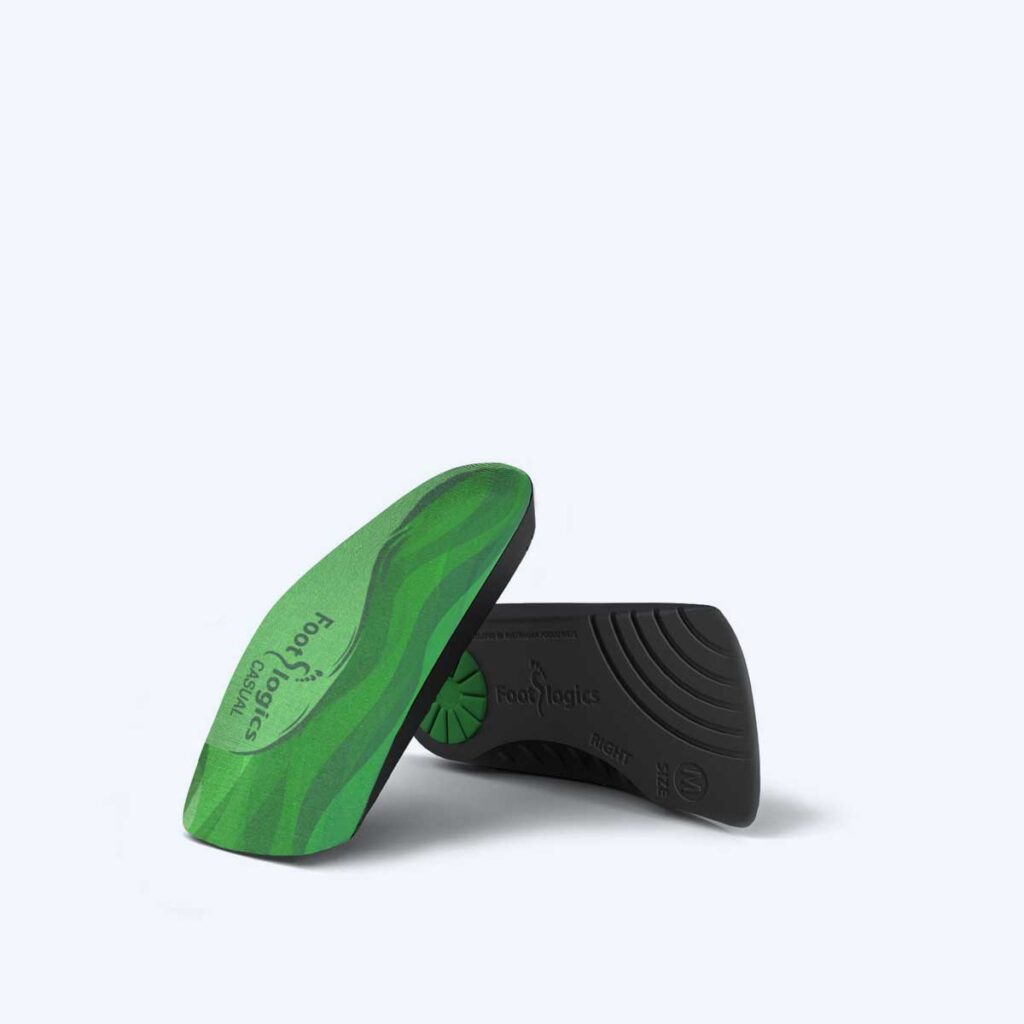
Footlogics Casual
Casual is a 3/4 length insole for dress shoes, loafers, women’s flats, and tighter casual footwear. It gives arch support and over-pronation control without taking up as much forefoot space. For office wear, it can turn the best shoe in your closet from “looks good, hurts later” into something more practical.
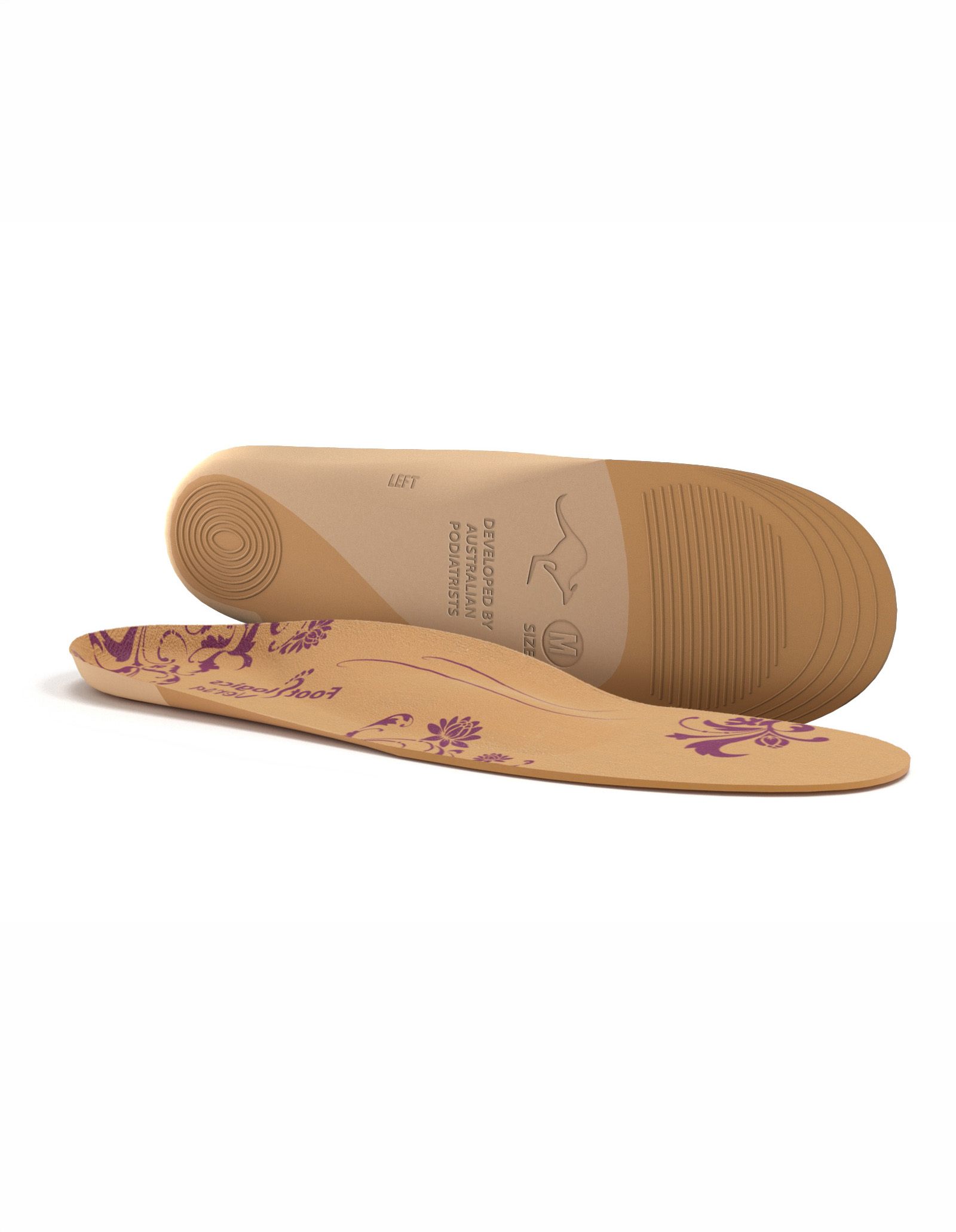
Footlogics Versa
Footlogics Versa bridges full-volume and low-profile models. It works across work shoes, casual sneakers, some dress shoes, and travel footwear, giving firm support for flat feet, with moderate cushioning.
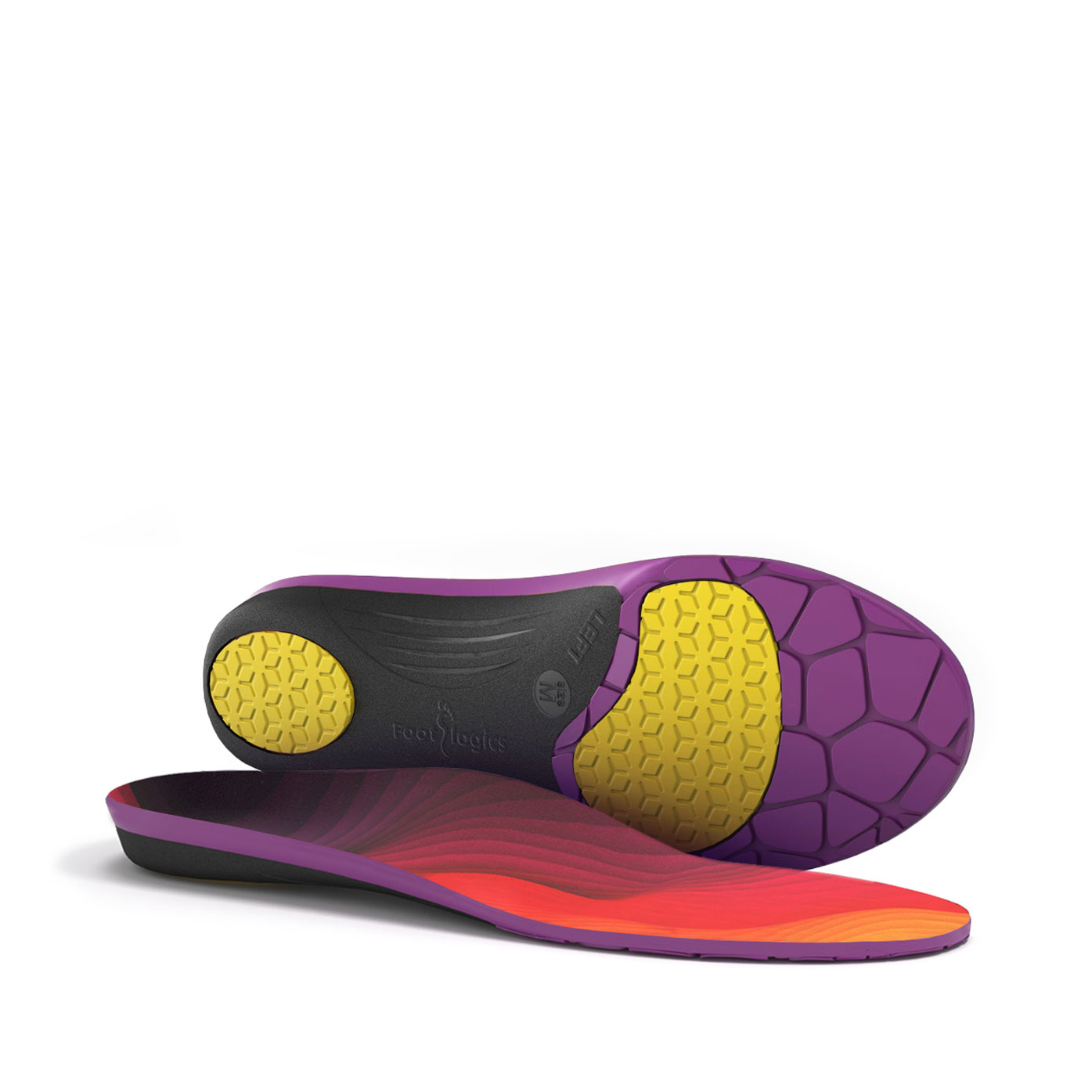
Footlogics Premium
Premium is the flagship full-length option for moderate to severe flat feet and over-pronation. It combines a firm arch support shell, a deep heel cup and cushioning P.U., for everyday walking. Use Premium in walking shoes, running shoes, work shoes, and boots with removable liners. It suits adults with plantar fasciitis, heel spurs, knee pain, or back pain linked to flat feet. Footlogics Premium is a very durable insole, featuring a hard-wearing nylon outer shell.
How to choose the best insoles for flat feet
The best insoles balance support, comfort, shoe fit, activity, and budget. Look for arch support insoles that reduce excessive pronation, which can lead to stress on the muscles, joints, and ligaments of the foot, improving overall foot function.
01.
Matching insoles to your shoes and lifestyle
For running shoes and walking shoes, choose Premium or Sports. For dress shoes, choose Casual. For mixed footwear, choose Versa. For tennis and pickleball, choose Active. Remove factory insoles where possible to avoid tightness, especially if your toes need room.
If you spend hours standing on concrete, prioritize structural support, heel cushioning, and a stable base. If walking barefoot increases pain, that is another sign your feet may need support.
02.
Comparing Footlogics to other flat feet insole brand
Dr. Scholl’s, Superfeet, Powerstep, Vionic, and Spenco also sell insoles. Many other insoles focus on cushioning alone, while Footlogics emphasizes medical-grade support, over-pronation control, affordability, six targeted models, free USA shipping, and a 30-day guarantee. Moldable insoles and custom devices can help complex cases, but most people can achieve excellent relief with quality off-the-shelf Footlogics options.
Frequently asked questions about flat feet insoles
1. Can flat feet be cured, or are flat feet permanent?
In most adults, flat feet are a permanent structural variation, especially when hereditary. Treatment is usually about reducing symptoms, improving alignment, and helping people stay active, not creating a high arch. Children may develop more arch height as they grow. Adults usually do best with supportive footwear, stretching, strengthening, and orthotics before surgery is ever discussed.
2. Do I really need insoles for flat feet if I do not have pain?
Not everyone with flat feet has pain. However, if you stand for long hours, run, play sport, or experience symptoms in the foot, ankle, knees, hips, or back, support can help prevent overpronation from becoming a bigger problem.
Mild to moderate arch support can be preventive during physical activity, while stronger support is better when pain has already started.3. How long do flat feet insoles last?
Most quality flat feet insoles last about 9–18 months with daily wear. Heavy work, high-impact sport, body weight, moisture, and shoe environment can shorten that lifespan.
Replace insoles when cushioning compresses, the shell cracks, the heel cup collapses, or the arch no longer feels supportive.4. Can I use flat feet insoles in dress shoes and work boots?
Yes, but match volume to footwear. Casual suits dress shoes and loafers, while Premium, Comfort, Sports, and Versa work better in sneakers, running shoes, and work boots.
For example, a corporate worker might use Casual in office dress shoes and Premium in weekend walking shoes. Trim-to-fit sizing helps create a cleaner pair fit.5. When should I see a podiatrist or doctor about my flat feet?
Seek advice for sudden flattening in one foot, severe pain, visible deformity, rapid change, diabetes, rheumatoid arthritis, or a major foot or ankle injury history. Persistent pain after several weeks of supportive insoles and better shoes also deserves assessment.
Conclusion: taking the next step with flat feet insoles
Flat feet and fallen arches are common, can be hereditary or acquired, and often affect more than the sole. Through over-pronation, they can contribute to foot pain, shin splints, knee pain, hip soreness, lower back pain, and daily fatigue.
Medical-grade orthotics are one of the most affordable ways to improve alignment, provide relief, and reduce pain. Explore Footlogics Premium, Comfort, Casual, Sports, Versa, and Active to find the right pair for your shoes, work, sport, and lifestyle.
