
Best Insoles for Soccer Cleats in Canada:
Support, Comfort & Fit
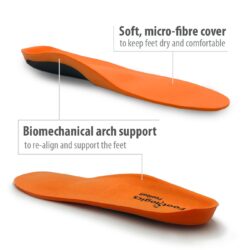
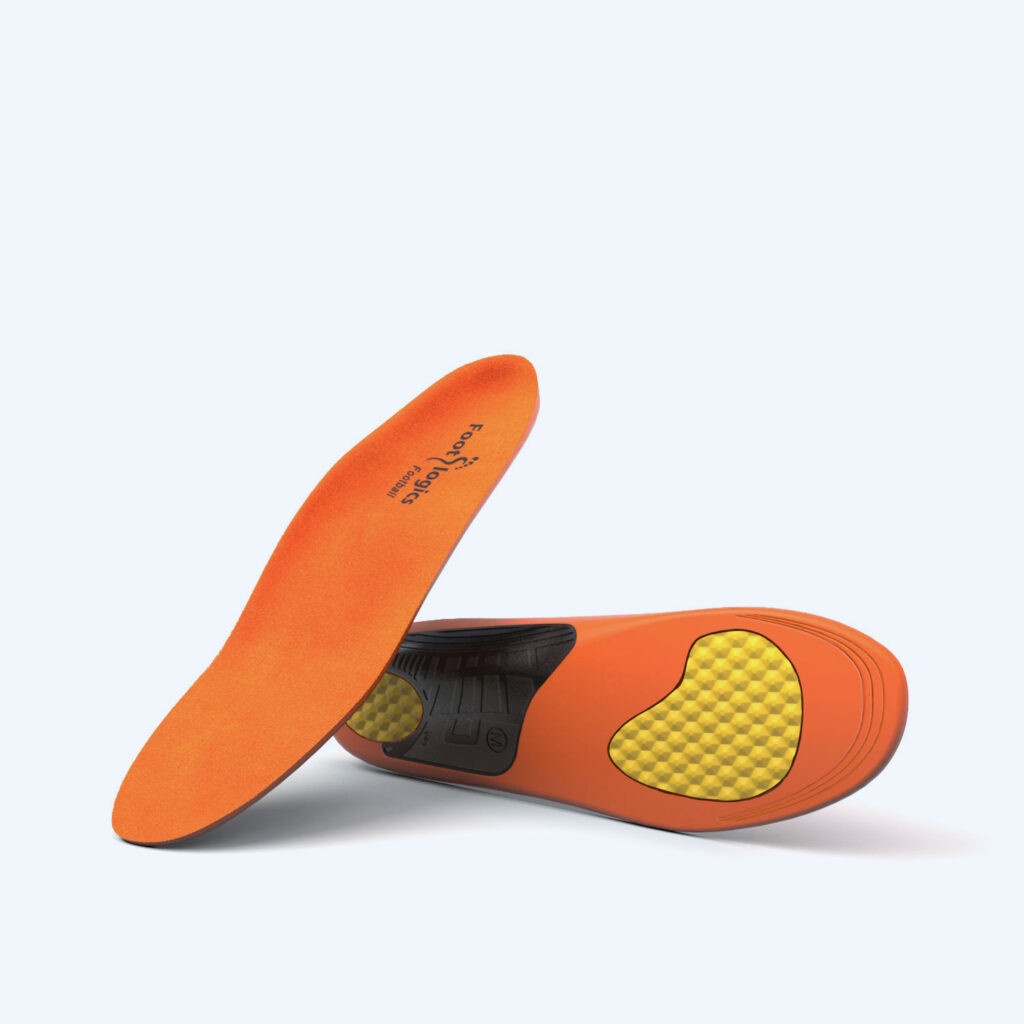
Footlogics FOOTBALL
CAD $36.95
Finding the best insoles for soccer cleats can be challenging. Unlike running shoes or everyday footwear, soccer cleats are designed to fit closely around the foot, leaving limited room for additional cushioning or arch support.
For Canadian soccer players, the right insoles can make an important difference to comfort during training and matches, particularly when playing on firm natural grass, artificial turf or indoor surfaces.
The best soccer cleat insoles combine a slim, low-profile design with comfortable arch support, appropriate heel cushioning and a secure fit inside the cleat. They should support the foot without crowding the toes, lifting the heel excessively or changing the fit of the shoe.
Whether you’re a recreational player, a competitive athlete or a parent shopping for a young soccer player, choosing the right insoles starts with understanding your foot shape, footwear and individual support needs.
In this guide, we’ll explain what to look for in soccer insoles, how orthotic support may help with common foot complaints, and how different cleat insoles compare.
We’ll also introduce Footlogics Football orthotic insoles, designed specifically for the close-fitting footwear used in soccer and other field sports.
What are the best insoles for Soccer Cleats?
The best insoles for soccer cleats are thin, supportive insoles that fit comfortably inside close-fitting soccer footwear without reducing toe room or causing heel slippage.
Look for these important features:
-
Low-profile construction: A slim design that fits inside soccer cleats without adding unnecessary bulk.
-
Contoured arch support: Comfortable support suited to your foot shape and arch height.
-
Heel cushioning: Appropriate cushioning for running, jumping and repeated changes of direction.
-
Secure heel fit: A supportive heel cup that helps keep the foot comfortably positioned inside the cleat.
-
Correct sizing: An insole that matches the internal shape of your soccer cleats without bunching or creating pressure points.
Our Recommendation: Footlogics Football Insoles
For players looking for additional arch support and cushioning, Footlogics Football is an option worth considering.
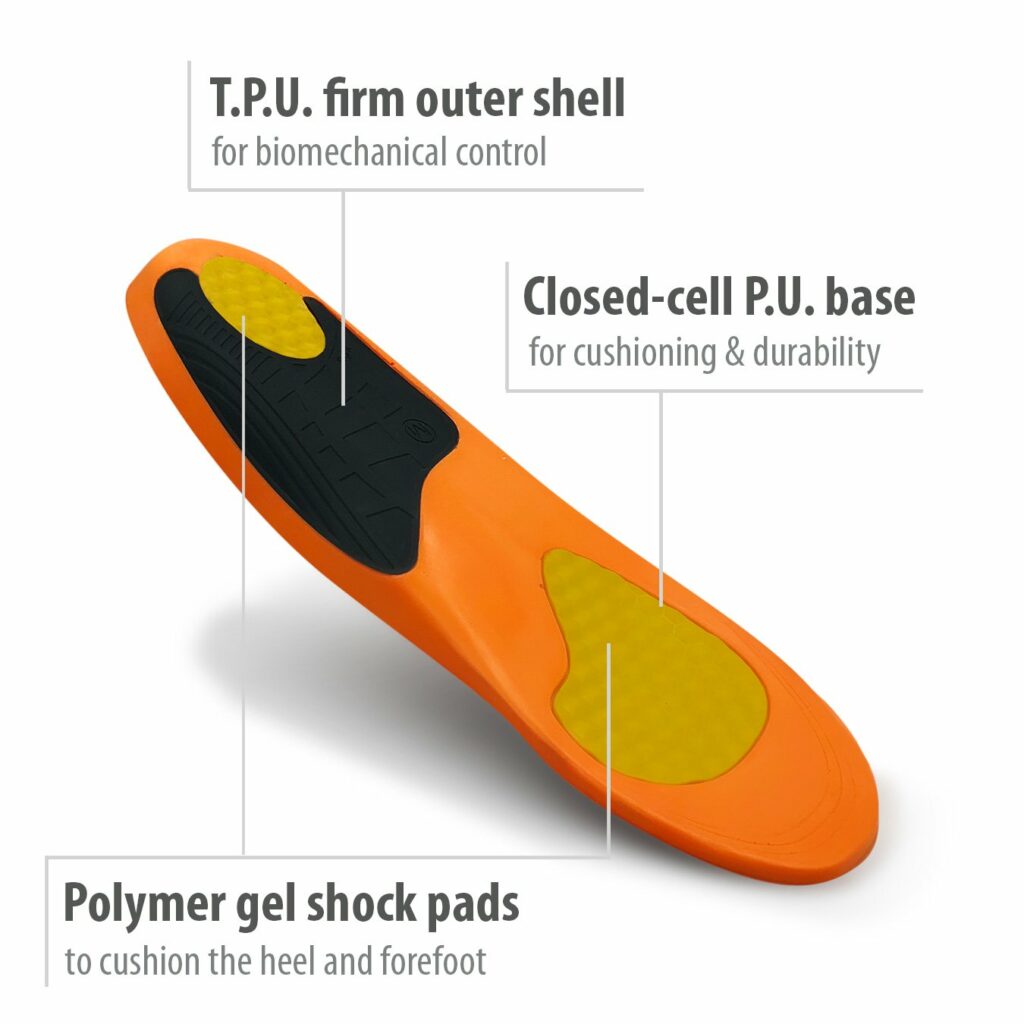
These orthotic insoles feature a slim forefoot profile, a supportive TPU arch shell, a contoured heel cup and cushioning beneath the heel and forefoot.
They are designed for soccer cleats and other close-fitting sports footwear where a conventional full-thickness orthotic may take up too much space.
Footlogics Football may be particularly suitable for players seeking structured support in place of the thin factory insoles supplied with many soccer cleats.
The most important consideration is fit: Even a well-designed orthotic insole will not be comfortable if it makes your soccer cleats too tight.
Why use insoles in Soccer Cleats?
Soccer places considerable demands on the feet. Throughout training and matches, players repeatedly sprint, accelerate, stop, pivot and change direction. These movements place varying loads on the heels, arches and forefeet, particularly when playing on firm natural grass or artificial turf.
Most soccer cleats are designed to fit closely around the foot, providing a secure connection between the player and the playing surface. However, the factory insoles supplied with some cleats offer limited cushioning or arch support.
Replacing the original footbeds with appropriately fitted soccer cleat insoles may improve comfort and provide additional support during play.
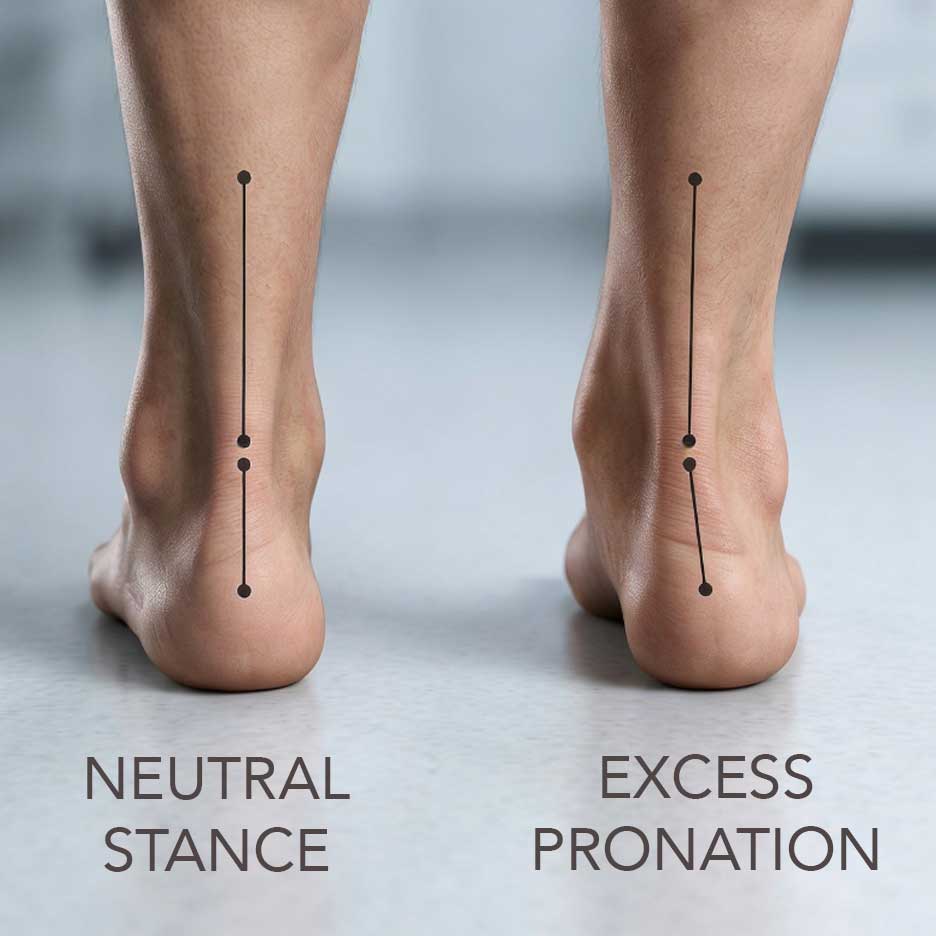
Can Orthotic Insoles improve Comfort and Support?
Orthotic insoles are designed to provide a supportive interface between the foot and the shoe. Depending on their construction, they may help distribute pressure beneath the foot and provide additional cushioning in areas such as the heel and forefoot.
For soccer players, potential benefits include:
-
Arch support: A contoured design may provide a more comfortable fit beneath the arch.
-
Heel cushioning: Shock-absorbing materials may improve comfort during repeated running and landing movements.
-
Pressure distribution: A supportive insole may help redistribute pressure across the plantar surface of the foot.
-
Footwear comfort: Replacing a thin factory footbed may make cleats more comfortable for players who need additional support.
Not every soccer player needs orthotic insoles. The best choice depends on individual foot shape, symptoms and how the cleats fit.
Importantly, research has not established that wearing orthotic insoles routinely prevents soccer injuries or improves speed, balance and endurance in every player.
Common Foot Problems in Soccer Players
Soccer players can experience a variety of foot and lower-leg complaints due to repeated loading, training intensity, footwear and individual physical factors.
Appropriately selected insoles may help some players manage discomfort, but they should not be considered a substitute for professional assessment or treatment.
Plantar Fasciitis and Heel Pain
Plantar fasciitis, also called plantar heel pain, commonly causes discomfort beneath the heel, particularly during the first steps after rest or in the morning.
Soccer players may experience symptoms associated with repeated running, training loads and time spent in close-fitting footwear.
Supportive insoles with comfortable arch contours and heel cushioning may help reduce symptoms for some individuals. However, plantar fasciitis can have several contributing factors and is not always caused by flat feet or overpronation.
Orthotic insoles are generally most useful as part of a broader management approach that may include stretching, strengthening and activity modification.
Achilles Tendon Pain
Achilles tendon pain may develop when the tendon is exposed to repeated or excessive loading, particularly during sprinting, acceleration and jumping.
Some players find that changes in footwear or supportive insoles improve comfort. However, insoles alone are not an established treatment for Achilles tendinopathy.
Persistent Achilles symptoms should be assessed by a healthcare professional, as rehabilitation often involves a structured strengthening and loading programme.
Metatarsalgia and Ball-of-Foot Pain
Soccer involves frequent pressure beneath the forefoot during running, pushing off and striking the ball.
Some players develop discomfort beneath the metatarsal heads, commonly described as ball-of-foot pain or metatarsalgia.
Insoles with appropriate forefoot cushioning or metatarsal support may help redistribute pressure and improve comfort for selected individuals.
However, additional forefoot padding can take up valuable space inside narrow soccer cleats. The insole must fit correctly without crowding the toes or increasing pressure.
Shin Splints
Shin splints, often referred to clinically as medial tibial stress syndrome, can occur in athletes who participate in repeated running and jumping activities.
Training load, lower-limb capacity and other factors may contribute to symptoms.
Foot orthoses may be considered as part of an individual treatment plan, particularly when a clinician identifies footwear or foot-related factors that could be relevant.
However, insoles do not reliably prevent shin splints, and treatment often involves adjusting activity and gradually rebuilding tolerance to running.
Knee Pain
Soccer players may experience knee discomfort from a variety of causes, including training loads, previous injuries and the repeated demands of cutting and pivoting.
Footwear and insoles can influence how pressure is distributed beneath the foot, but it is not accurate to suggest that correcting foot posture with an orthotic will automatically resolve knee pain.
Players experiencing persistent knee symptoms should seek an appropriate assessment rather than relying on insoles alone.
Sever’s Disease in Young Soccer Players
Sever’s disease, or calcaneal apophysitis, is a common cause of heel pain in physically active children and adolescents during periods of growth.
Young soccer players may notice discomfort around the back or underside of the heel, particularly during running and jumping.
Supportive footwear, heel cushioning and temporary adjustments to activity may help manage symptoms. In some cases, a healthcare professional may recommend heel cups or orthotic insoles.
Parents should seek professional advice when a child develops persistent heel pain, especially if it causes limping or limits participation in sport.
Key Features to look for in Insoles for Soccer Cleats
Not every orthotic insole is suitable for soccer footwear. Unlike many running shoes, soccer cleats generally have limited internal space, so choosing the correct design is particularly important.
The following features are worth considering when comparing soccer cleat insoles.
1. Low-Profile Construction
A slim insole is especially important for close-fitting soccer cleats.
An insole that is too thick can raise the foot inside the shoe, reduce toe space and create unwanted pressure across the upper.
Look for a design that provides support without making the cleats excessively tight.
2. Comfortable Arch Support
Contoured arch support can help provide a more supportive contact surface beneath the foot.
The appropriate arch shape varies between players. Someone with lower arches may prefer a different contour from someone with higher arches.
The goal is comfortable support rather than forcing every foot into the same position.
3. Heel Cup and Cushioning
A contoured heel cup can help position the heel comfortably within the insole.
Heel cushioning may also improve comfort during running and repeated impacts, especially on firmer playing surfaces.
However, cushioning should not compromise the secure fit of the cleat.
4. Forefoot Cushioning and Metatarsal Support
The forefoot experiences repeated loading during sprinting, acceleration and changes of direction.
Appropriate forefoot cushioning may improve comfort, while a correctly positioned metatarsal support may help redistribute pressure for some players.
Because soccer cleats have limited toe-box space, forefoot features should be slim enough to avoid creating pressure points.
5. Secure Fit Inside the Cleat
A soccer insole should sit flat inside the shoe without bunching, curling or sliding.
The heel should remain securely positioned, and the toes should have sufficient room to move comfortably.
An insole that changes the fit of the cleat too much may create more problems than it solves.
6. Appropriate Materials and Durability
Soccer insoles are exposed to repeated movement, perspiration and compression.
Consider materials that provide suitable cushioning, support and durability for regular use.
A removable insole that can be aired and cleaned according to the manufacturer’s instructions may also be easier to maintain throughout the season.
The key takeaway: The best insoles for soccer cleats are not necessarily the thickest, firmest or most expensive. They are the ones that provide comfortable support while preserving the secure fit that soccer footwear requires.
Footlogics Football: Orthotic Insoles Designed for Soccer Cleats
Soccer players who need additional foot support often face a challenge: finding an orthotic insole that fits comfortably inside close-fitting cleats.
Footlogics Football orthotic insoles are designed specifically for soccer cleats, football boots and other close-fitting field sports footwear. Their low-profile construction combines contoured arch support with cushioning beneath the heel and forefoot.
Unlike thicker orthotics intended for everyday walking or running shoes, Footlogics Football is designed to provide structured support while taking up relatively little space inside the cleat.
Key Features of Footlogics Football Insoles
Semi-Rigid TPU Arch Support
A supportive thermoplastic polyurethane (TPU) shell provides a contoured arch shape intended to support the foot during walking, running and changes of direction.
The design may be particularly suitable for players who prefer structured arch support rather than a flat factory insole.
Slim, Low-Profile Forefoot
Soccer cleats have limited internal space, especially around the toes and forefoot.
Footlogics Football features a relatively slim forefoot section designed to fit into close-fitting sports footwear without adding excessive bulk.
Heel Cup and Gel Cushioning
A contoured heel cup helps position the heel comfortably, while cushioning beneath the heel and forefoot provides additional comfort during repeated running and impact.
Metatarsal Support
A raised metatarsal support is designed to provide contact behind the ball of the foot and may help redistribute forefoot pressure for some players.
Correct positioning and fit are important, particularly in narrow soccer cleats.
Who should consider Footlogics Football?
Footlogics Football may be worth considering for:
-
Recreational and competitive soccer players seeking additional arch support.
-
Players who find the original factory insoles in their cleats uncomfortable or insufficiently supportive.
-
Soccer players who prefer a combination of structured support and cushioning.
-
Players looking for a slim orthotic design rather than a thick running-shoe insole.
-
Adults and younger players whose foot size, footwear and individual support needs are compatible with the product.
Not every soccer player needs orthotic insoles, and the best choice depends on individual foot shape, symptoms and footwear fit.
Footlogics Football Insoles in Canada
Footlogics Football is available through the Footlogics Canada online store.
For current Canadian pricing, available sizes, shipping information and returns conditions, visit the product page.
How does Footlogics Football compare with other Soccer Cleat insoles?
Several manufacturers offer insoles designed for soccer cleats and other field sports footwear. However, their approaches differ in arch support, cushioning, construction and intended use.
For Canadian players, the most important considerations are whether the insole fits comfortably inside their cleats, provides the type of support they prefer and offers appropriate cushioning without making the footwear too tight.
The following comparison highlights some popular options.
Footlogics Football
Footlogics Football combines a semi-rigid TPU arch shell, heel and forefoot cushioning, a contoured heel cup and metatarsal support in a relatively slim design.
It may appeal to players seeking structured orthotic support in close-fitting soccer cleats.
CURREX CLEATPRO
CURREX CLEATPRO uses a dynamic arch support system and is available in low, medium and high arch profiles.
It also features an anti-slip surface and targeted cushioning, making it worth considering for players who want a choice of arch profiles and additional grip inside their cleats.
Sidas Football 3D
Sidas Football 3D combines an anatomically shaped support shell with heel cushioning and non-slip features.
It is designed specifically for football boots and may appeal to players seeking a combination of contoured support and cushioning.
VKTRY Gold for Cleated Sports
VKTRY offers carbon-fibre performance insoles, including versions intended for close-fitting cleated footwear.
Their construction differs from conventional foam and TPU orthotics, with a focus on carbon-fibre stiffness and energy-return characteristics.
Players considering this type of insole should check compatibility with their particular cleats, as the feel and rigidity may differ substantially from conventional orthotic designs.
| Insole | Support Design | Main Features | Best Suited For |
|---|---|---|---|
|
Footlogics Football |
Semi-rigid TPU arch shell |
Slim forefoot, heel and forefoot cushioning, metatarsal support |
Players wanting structured orthotic support |
| CURREX CLEATPRO | Dynamic arch shell; three arch profiles |
Anti-slip surface, targeted cushioning, narrow design |
Players wanting arch-height options and additional grip |
| Sidas Football 3D | Anatomical 3D TPU shell |
Heel gel pad, non-slip grips, breathable design |
Players wanting contoured support and heel cushioning |
| VKTRY Gold Cleated Sports | Carbon-fibre plate |
Sport-specific configuration, stiffness and energy-return design |
Players considering a firmer carbon-fibre option |
Comparison based on manufacturers’ published
descriptions. Features and availability may change.
Individual fit and comfort vary.
On mobile, swipe horizontally to view the full table.
Which Soccer Cleat insole should you choose?
The right insole depends on your foot shape, the amount of space inside your cleats and the type of support you find comfortable.
If you prefer structured arch support with heel and forefoot cushioning, Footlogics Football is an option worth considering.
If you want a choice of different arch profiles or a grip-focused top surface, CURREX CLEATPRO may be suitable.
Sidas Football 3D offers another football-specific design combining anatomical support and heel cushioning, while VKTRY provides a different approach using carbon-fibre construction.
Whichever model you choose, make sure the insole fits securely without crowding your toes or lifting your heel excessively.
Looking for slim orthotic support for soccer cleats?
How to choose the best insoles for your Soccer Cleats
Choosing the right insoles for soccer cleats involves more than simply finding a pair with arch support. Soccer footwear is generally narrower and has less internal space than running shoes, making the fit and thickness of an insole especially important.
The best soccer insoles should provide comfortable support without making your cleats too tight, lifting your heel excessively or restricting natural foot movement.
Three important factors to consider are your arch height, the type of soccer cleats you wear and your individual comfort needs.
Soccer Insoles for Flat Feet and Low Arches
Players with flat feet or low arches may prefer an insole with a supportive arch contour that feels comfortable beneath the foot.
Some players with lower arches experience discomfort when wearing completely flat factory insoles, particularly during extended training sessions or matches.
A structured orthotic insole, such as Footlogics Football, may provide additional support and cushioning.
However, flat feet do not automatically require corrective orthotics. The most appropriate insole is one that fits comfortably and addresses the player’s individual needs.
Soccer Insoles for Normal Arches
Players with normal arches may benefit from a moderate level of arch support combined with cushioning beneath the heel and forefoot.
A slim insole can be particularly useful when replacing the original footbed inside close-fitting soccer cleats.
For these players, the priority is often finding a balance between support, cushioning and sufficient room inside the shoe.
Soccer Insoles for High Arches
Players with higher arches may prefer an insole with a more pronounced arch contour or additional cushioning in areas that experience greater pressure.
However, not every high-arched foot needs a high-profile orthotic, particularly when the cleats have limited internal space.
A supportive insole should feel comfortable beneath the arch without creating excessive pressure or lifting the foot too high inside the shoe.
If a prefabricated insole does not match your foot shape, a podiatrist can help assess whether a different design or custom orthotic may be appropriate.
Choosing Insoles for Firm Ground, Artificial Turf and Indoor Soccer
Soccer players use different footwear depending on the playing surface.
Firm ground soccer cleats (FG) are designed for suitable natural grass conditions and typically have a close-fitting interior. Slim insoles are generally preferable when additional support is needed.
Artificial grass cleats (AG) are designed for artificial grass surfaces. Players should choose insoles that fit securely without interfering with the intended fit of the footwear.
Turf soccer shoes (TF) often have a different internal shape and may offer more room than some traditional cleats, although this varies by model.
Indoor soccer shoes (IC/IN) generally have flat, non-studded outsoles. Supportive insoles may be suitable if they fit correctly without crowding the toes.
The playing surface alone does not determine which insole is best. Foot shape, cleat construction and individual comfort remain the most important considerations.
How to fit insoles in Soccer Cleats
Correct fitting is essential when replacing the original insoles in soccer cleats.
Even a high-quality orthotic can cause discomfort if it takes up too much space, changes the position of the heel or creates pressure beneath the foot.
Step 1: Remove the Original Insoles
If your soccer cleats have removable factory insoles, take them out before inserting your new orthotics.
Placing a full-length orthotic on top of an existing footbed can make the cleats too tight and raise your foot excessively inside the shoe.
If the original footbed is permanently attached, check the insole manufacturer’s fitting instructions before adding another layer.
Step 2: Compare the Size and Shape
Place the original removable footbed on top of the new insole to compare its length and forefoot shape.
If the replacement insole is designed to be trimmed, use the original footbed as a guide.
Only trim areas permitted by the manufacturer. Avoid cutting into structural arch supports, heel cups or cushioning components that are not intended to be modified.
Step 3: Insert the New Insoles
Place the new insoles inside your soccer cleats, making sure they lie flat against the bottom of the footwear.
Check that the heel section sits correctly and that the forefoot does not bunch, curl or fold.
Step 4: Test the Fit With Soccer Socks
Put on the socks you normally wear during training and matches.
Lace up your cleats and check that:
-
Your toes are not cramped or compressed.
-
Your heel remains securely positioned.
-
The arch support feels comfortable rather than excessively prominent.
-
There are no new pressure points beneath the heel or forefoot.
-
The insoles remain flat and stable inside the shoes.
Step 5: Test Them During Light Activity
Before using new soccer insoles in a competitive match, test them during walking, light jogging and controlled soccer movements.
Gradually increase wearing time as comfort allows.
If the insoles cause persistent discomfort, rubbing, numbness or new pain, stop using them and reassess the fit.
How long does it take to get used to Soccer Orthotics?
Some players find new orthotic insoles comfortable immediately, while others need time to adjust to a different arch contour or cushioning arrangement.
Start with shorter periods of wear and gradually increase the duration over several training sessions.
Avoid introducing unfamiliar insoles for the first time immediately before an important match.
The adjustment period varies between individuals. Persistent pain or pressure should not be considered a normal part of breaking in orthotics.
How to clean and maintain Soccer Cleat Insoles
Soccer insoles are exposed to perspiration, repeated compression and frequent movement inside the footwear.
Regular care can help maintain hygiene and preserve their condition.
Cleaning and Drying
-
Remove the insoles after training or matches when practical.
-
Allow them to air-dry in a well-ventilated area.
-
Avoid direct heat from radiators, heaters or tumble dryers.
-
Wipe the surface gently with a damp cloth if permitted by the manufacturer’s care instructions.
-
Allow the insoles to dry completely before returning them to the cleats.
When should you replace Soccer Cleat insoles?
The lifespan of soccer insoles depends on their materials, frequency of use, playing conditions and the individual player.
Rather than replacing insoles according to a fixed schedule, check them regularly for signs of wear.
These may include:
-
Flattened or permanently compressed cushioning.
-
Cracks or damage to supportive components.
-
A worn or separating top cover.
-
Loss of comfortable support.
-
Changes in fit or movement inside the cleat.
Players who train frequently may need to replace their insoles sooner than occasional recreational players.
The key takeaway: Proper fitting and regular maintenance are just as important as choosing the right soccer insole. A comfortable, secure fit should always take priority over maximum cushioning or arch firmness.
Frequently Asked Questions about insoles for Soccer Cleats
1. What are the best insoles for soccer cleats?
The best insoles for soccer cleats combine a slim, low-profile design with comfortable arch support, appropriate cushioning and a secure fit. Because soccer cleats generally have less internal space than running shoes, thick orthotics may make them too tight. Footlogics Football is one option designed for close-fitting soccer footwear, with a supportive TPU arch shell and cushioning beneath the heel and forefoot. The best choice depends on your foot shape, cleat design and individual comfort needs.
2. Can I put orthotic insoles in my soccer cleats?
Yes. Many soccer cleats can accommodate orthotic insoles, provided the replacement footbeds fit correctly. If the original insoles are removable, take them out before inserting full-length orthotics. Choose a slim design that does not crowd your toes, lift your heel excessively or create pressure across the top of your foot. If your cleats are particularly narrow or have permanently attached footbeds, check compatibility before purchasing.
3. Can soccer cleat insoles help with plantar fasciitis?
Supportive insoles may help reduce plantar heel pain for some players by providing additional arch support, cushioning and pressure redistribution. Research suggests foot orthoses can offer symptom relief, although results vary and they should not be relied upon as the only treatment. Soccer players with plantar fasciitis may also benefit from appropriate stretching, strengthening and adjustments to training loads. Persistent heel pain should be assessed by a qualified healthcare professional.
4. Are insoles allowed in soccer matches in Canada?
Ordinary orthotic insoles worn inside soccer cleats are generally acceptable under soccer equipment rules, provided they do not create a safety hazard or involve prohibited equipment modifications. Players should check any additional requirements imposed by their league or competition. The applicable Laws of the Game focus on player safety and equipment, rather than prescribing particular brands or designs of removable insoles.
5. Will orthotic insoles make my soccer cleats too tight?
They can if the insoles are too thick or do not match the shape of the cleats. This is why low-profile construction is particularly important for soccer footwear. Remove the original removable footbeds before fitting full-length orthotics, and test the new insoles while wearing your usual soccer socks. Your toes should not feel cramped, and your heel should remain securely positioned without excessive pressure.
6. Are soccer insoles suitable for players with flat feet?
Some players with flat feet or low arches find contoured orthotic insoles more comfortable than flat factory footbeds. However, flat feet do not automatically require corrective insoles, and a higher or firmer arch is not always better. The most suitable design should match the player’s foot shape, feel comfortable and fit securely inside the cleat. Players with persistent pain may benefit from a professional assessment.
7. Can children use orthotic insoles in soccer cleats?
Children may use appropriately sized supportive insoles when there is a suitable reason, such as footwear discomfort or a recommendation from a healthcare professional. However, children do not routinely need orthotics simply because they play soccer or have flexible flat feet. Insoles must fit without crowding growing feet. Persistent heel pain, limping or activity-related discomfort should be assessed by a qualified healthcare professional.
8. Can insoles help children with Sever’s disease?
Sever’s disease is a common cause of activity-related heel pain in growing children, particularly those involved in running and jumping sports such as soccer. Heel cups, cushioning or supportive insoles may help some children manage discomfort as part of a broader treatment plan. Activity modification and appropriate rehabilitation may also be recommended. Insoles do not cure Sever’s disease, and persistent symptoms should be assessed by a healthcare professional.
9. Are custom orthotics better than ready-made soccer insoles?
Custom orthotics are not automatically better for every soccer player. Well-fitting prefabricated insoles may provide adequate comfort and support for many people. Custom orthotics may be appropriate when someone has unusual foot anatomy, complex symptoms or specific requirements identified during a professional assessment. In soccer cleats, the available space is especially important, regardless of whether the orthotic is custom-made or prefabricated.
10. How often should I replace insoles in my soccer cleats?
The lifespan of soccer insoles depends on their construction, playing frequency, perspiration, footwear conditions and general wear. Check them regularly for flattened cushioning, cracks, damaged top covers or changes in comfort and fit. Players who train several times each week may need replacements sooner than occasional players. Rather than relying on a fixed replacement interval, follow the manufacturer’s recommendations and replace insoles when they no longer provide appropriate support or comfort.
Clinical Research: can orthotic insoles help Soccer Players?
Orthotic insoles are commonly used to provide additional foot support, cushioning and pressure redistribution. For soccer players, these features may improve comfort inside close-fitting cleats, particularly when the original factory insoles provide limited support.
However, it is important to distinguish between improving comfort, managing an existing foot complaint and preventing sports injuries.
Foot Orthoses and Plantar Heel Pain
A systematic review and meta-analysis by Whittaker and colleagues, published in the British Journal of Sports Medicine in 2018, examined 19 randomized controlled trials involving 1,660 participants with plantar heel pain.
The researchers found moderate-quality evidence that foot orthoses provided a small reduction in pain compared with sham insoles over a medium-term period. The clinical importance of this improvement was uncertain, and benefits for foot function were less consistent.
Although this research was not specific to soccer players, it provides useful evidence that orthotic insoles may help some individuals experiencing plantar heel pain.
Read the Whittaker et al. systematic review.
Clinical Guidelines Recommend a Combined Approach
The 2023 clinical practice guidelines for plantar heel pain, published in the Journal of Orthopaedic & Sports Physical Therapy, recommend against relying on foot orthoses as an isolated treatment for short-term pain relief.
However, orthoses may be used alongside other treatments to help reduce pain and improve function.
These treatments can include plantar fascia-specific stretching, appropriate strengthening and other interventions recommended by a healthcare professional.
Read the 2023 Clinical Practice Guidelines.
What About Soccer Performance and Injury Prevention?
Although some sports insoles are marketed as improving speed, power, stability or injury prevention, these claims should be considered separately from research on comfort and plantar heel pain.
The evidence cited above does not demonstrate that orthotic insoles routinely prevent soccer injuries or improve athletic performance.
Soccer players should therefore choose insoles primarily according to comfort, fit and individual support requirements rather than expecting guaranteed improvements in speed or injury prevention.
What Does This Mean for Footlogics Customers?
Footlogics Football orthotic insoles combine a slim forefoot design, structured arch support and cushioning beneath the heel and forefoot.
These features may appeal to soccer players seeking additional comfort and support inside close-fitting cleats.
However, no single insole is appropriate for every player, and individual results vary.
The key takeaway: Supportive soccer cleat insoles may improve comfort and help some players manage foot discomfort, but correct footwear fit and appropriate management of persistent symptoms remain essential.
Medical Research & Trusted References
The information in this guide is supported by established clinical resources and published research relating to foot orthoses, plantar heel pain and common conditions affecting active adults and children.
-
Whittaker GA et al. (2018) — Foot orthoses for plantar heel pain: A systematic review and meta-analysis. Research examining the effectiveness of foot orthoses for pain and function.
-
Martin RL et al. (2023) — Heel Pain—Plantar Fasciitis: Revision 2023. Clinical practice guidelines addressing plantar heel pain and conservative treatment.
-
American Academy of Orthopaedic Surgeons (AAOS) — Plantar Fasciitis and Bone Spurs. Patient information about symptoms, causes and nonsurgical treatment.
-
American Academy of Orthopaedic Surgeons (AAOS) — Sever’s Disease. Information about activity-related heel pain in growing children.
-
International Football Association Board (IFAB) — Laws of the Game. Official football equipment and safety rules, including Law 4.
These references discuss foot orthoses and related medical conditions generally. They do not establish that Footlogics Football or any competing soccer insole prevents injuries or improves athletic performance.
Find the right Soccer Cleat insoles for your feet
Choosing the best insoles for soccer cleats comes down to three important factors: comfortable arch support, appropriate cushioning and a secure fit inside your footwear.
Whether you play recreational soccer, train several times a week or compete at a higher level, your insoles should support your feet without making your cleats too tight.
For Canadian players seeking additional support, Footlogics Football orthotic insoles offer a combination of:
-
Semi-rigid TPU arch support.
-
A slim, low-profile forefoot designed for close-fitting cleats.
-
Heel and forefoot cushioning.
-
A contoured heel cup.
-
Metatarsal support for the ball of the foot.
These features make Footlogics Football worth considering if you prefer structured orthotic support rather than a flat factory insole.
Individual comfort and fit will vary, and players experiencing persistent foot pain should seek appropriate professional advice.
Shop Footlogics Football Insoles in Canada
Explore the Footlogics Football range, check available sizes and view current Canadian pricing through our online store.
Shop Footlogics Football Insoles
Footlogics Canada — supportive orthotic insoles for everyday comfort and active lifestyles.
