
Insoles & Orthotics for Flat Feet and Fallen Arches
Developed by Australian podiatrists, Footlogics offers a range of orthotic insoles for flat feet, fallen arches and over-pronation, tailored to type of footwear and activity. We offer fast shipping from Toronto and a 30-day money-back guarantee.
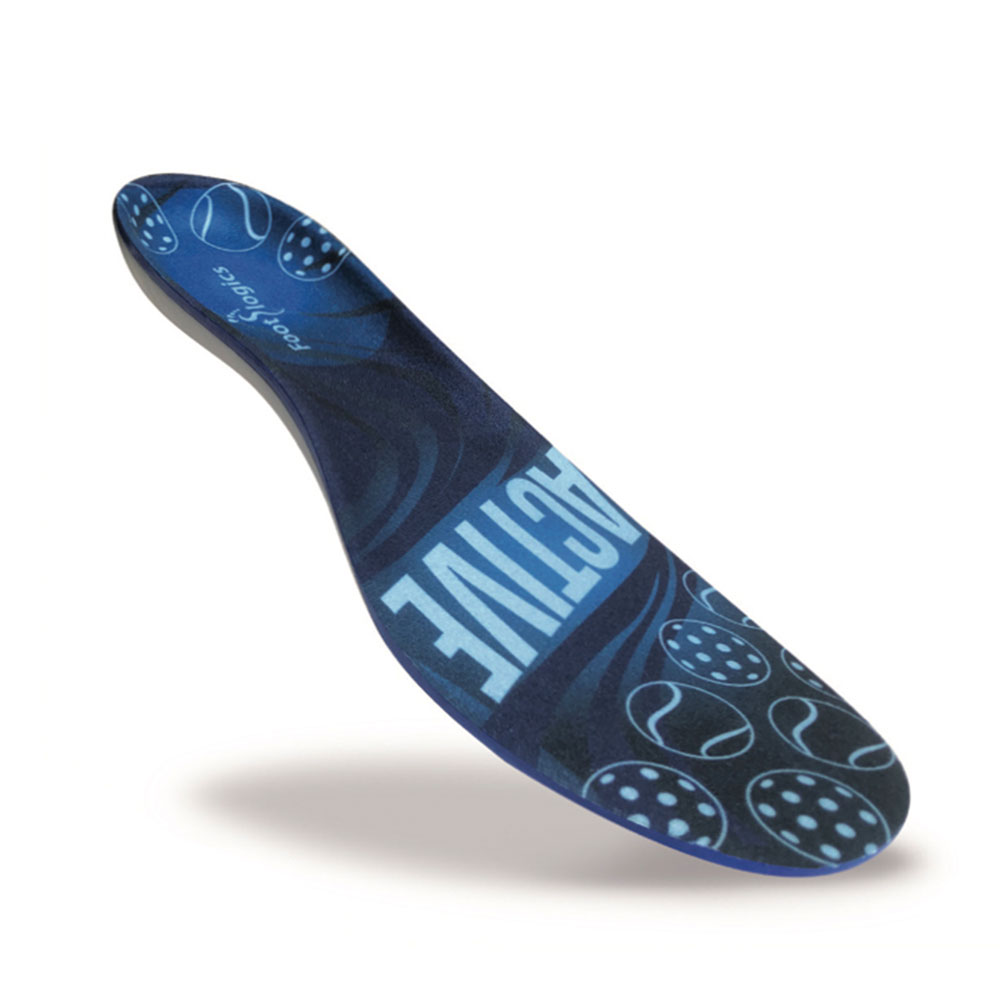
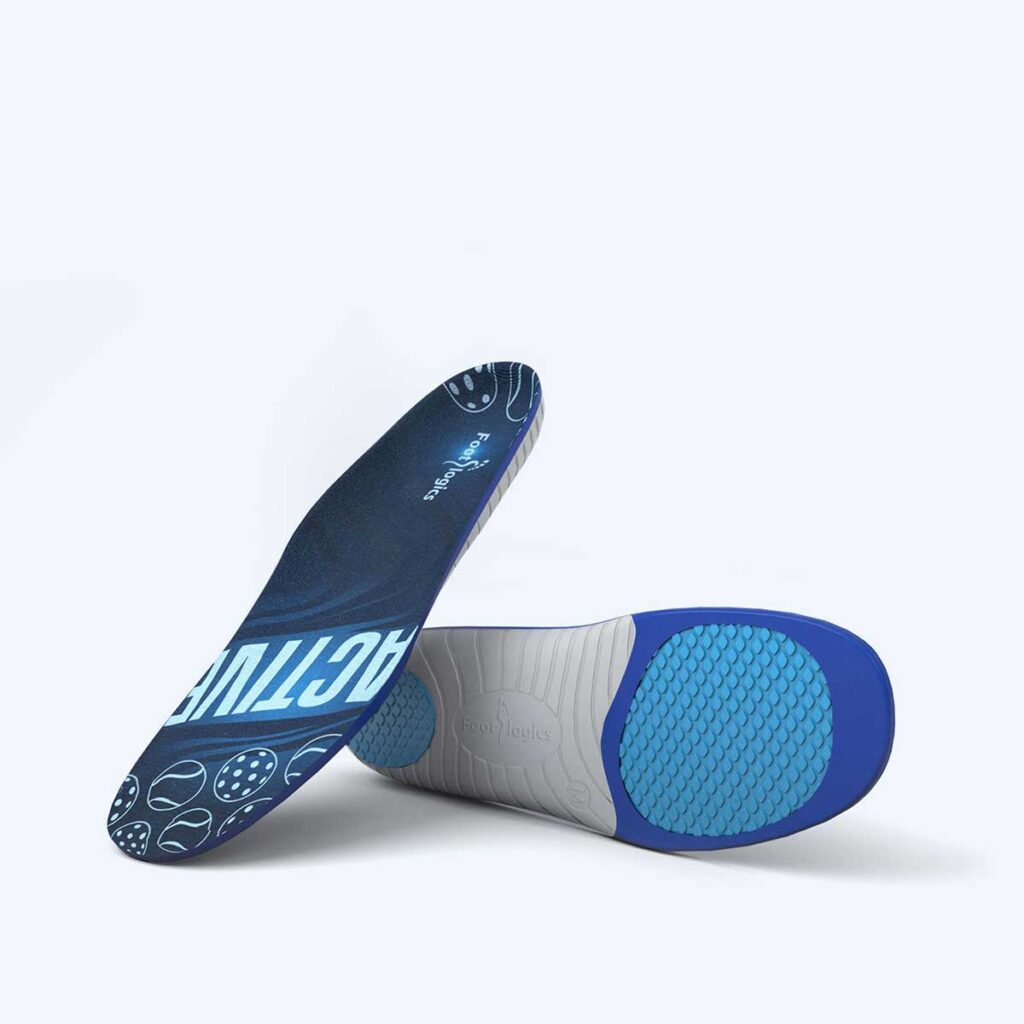
Footlogics ACTIVE
CAD $39.95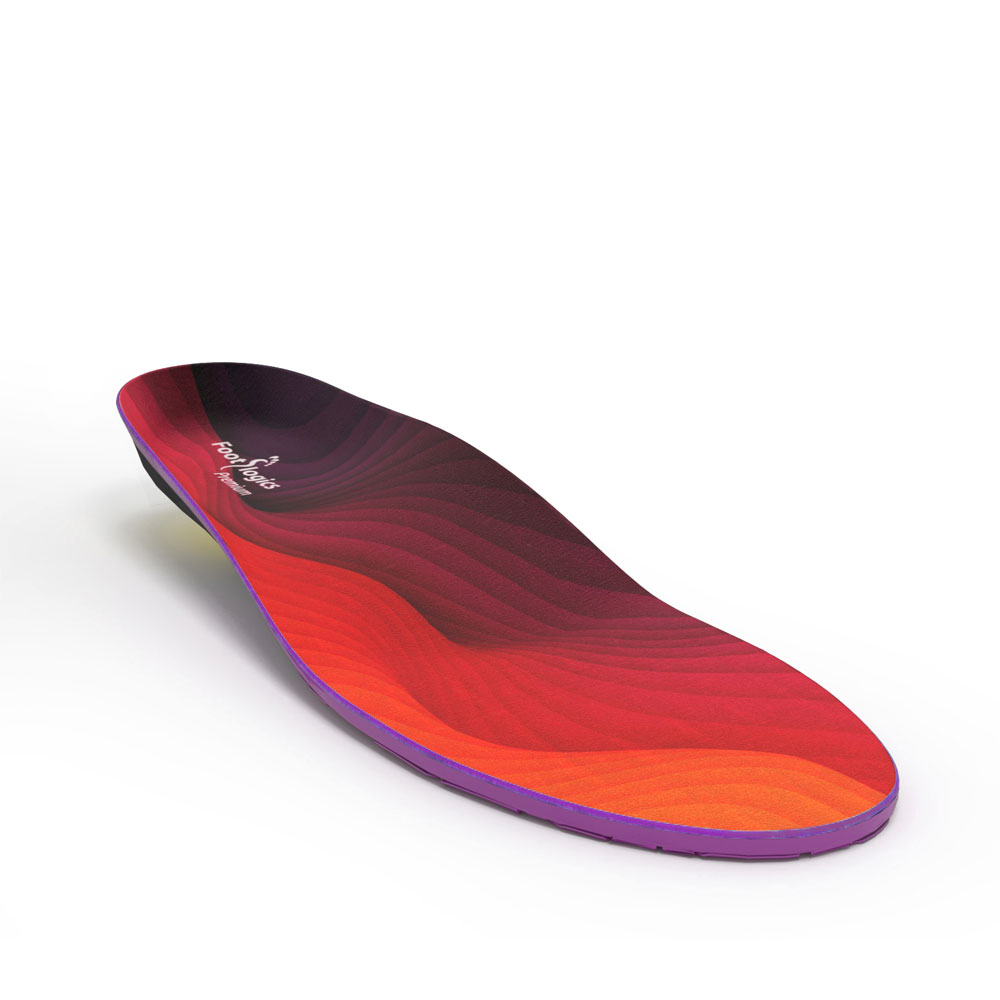
Footlogics PREMIUM
CAD $44.95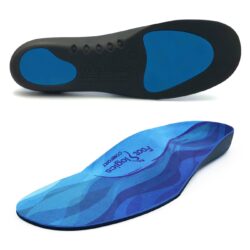
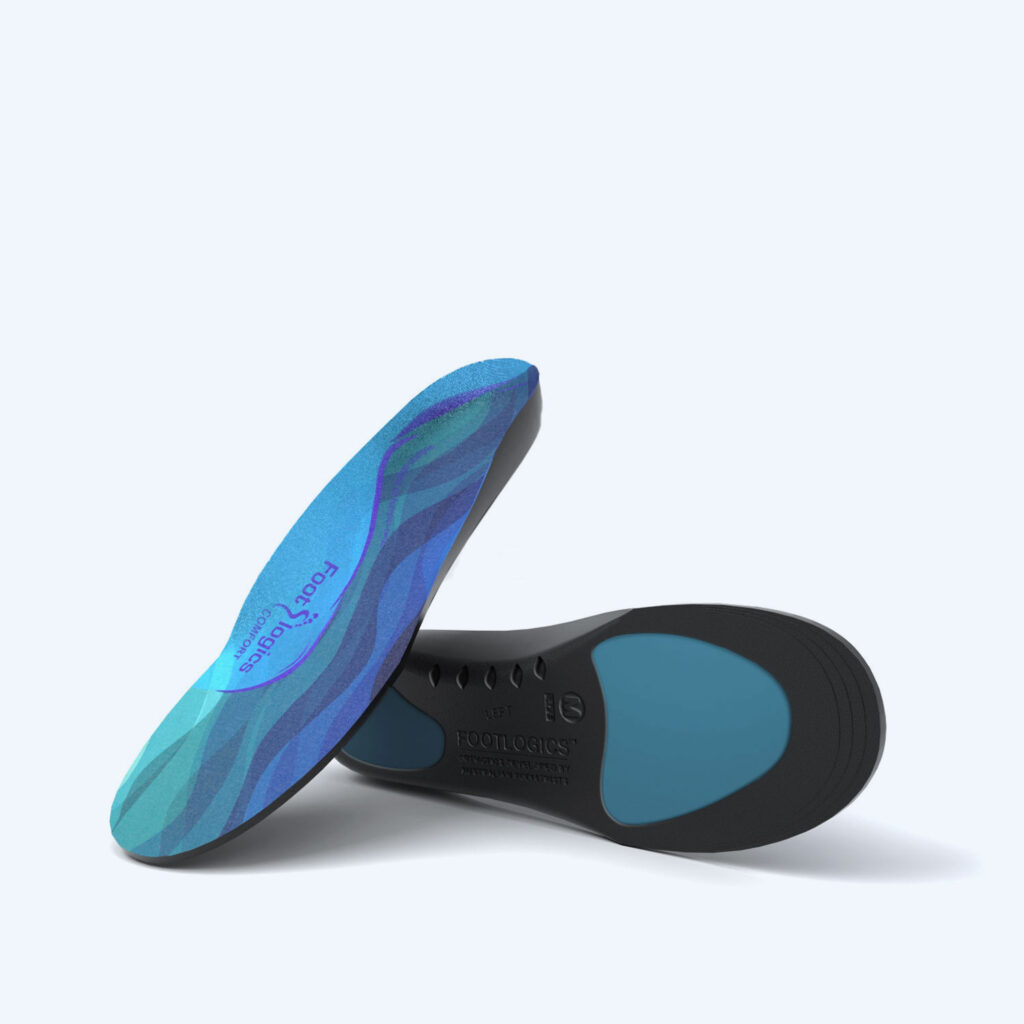
Footlogics COMFORT
CAD $36.95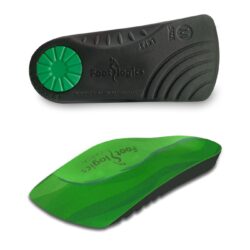
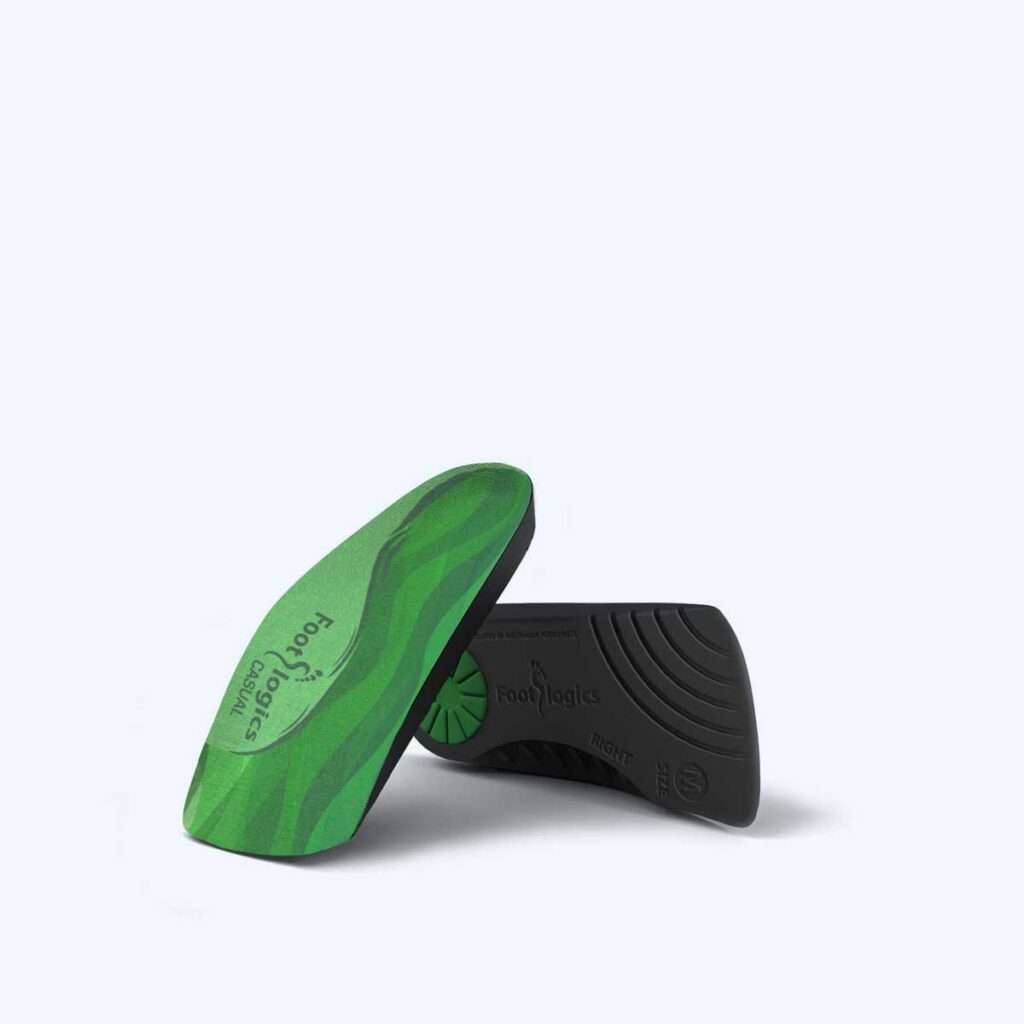
Footlogics CASUAL
CAD $32.95
Footlogics VERSA
CAD $34.95
Footlogics SPORTS
CAD $39.95
Arch support insoles for flat feet and fallen arches
The best insoles for flat feet give firm arch support and a deep heel cup, so the arch doesn’t collapse and the foot doesn’t roll too far inward with each step. Soft cushioning on its own doesn’t do this. This page answers the questions Canadians ask most about flat feet insoles: which features matter, whether insoles really help, how flat feet can affect your knees and back, and whether you need custom orthotics or a ready-made pair. It also covers how to break insoles in, which insole suits which shoe (from runners and work boots to winter boots and hockey skates), simple exercises, and when to see a foot specialist.
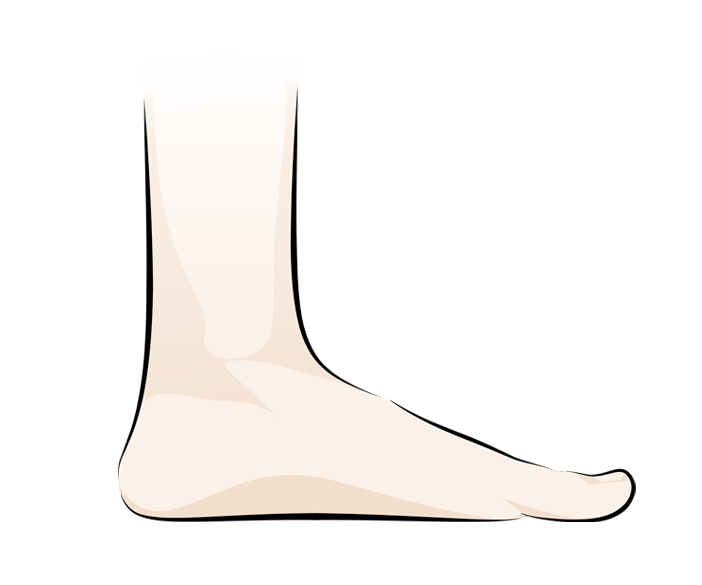
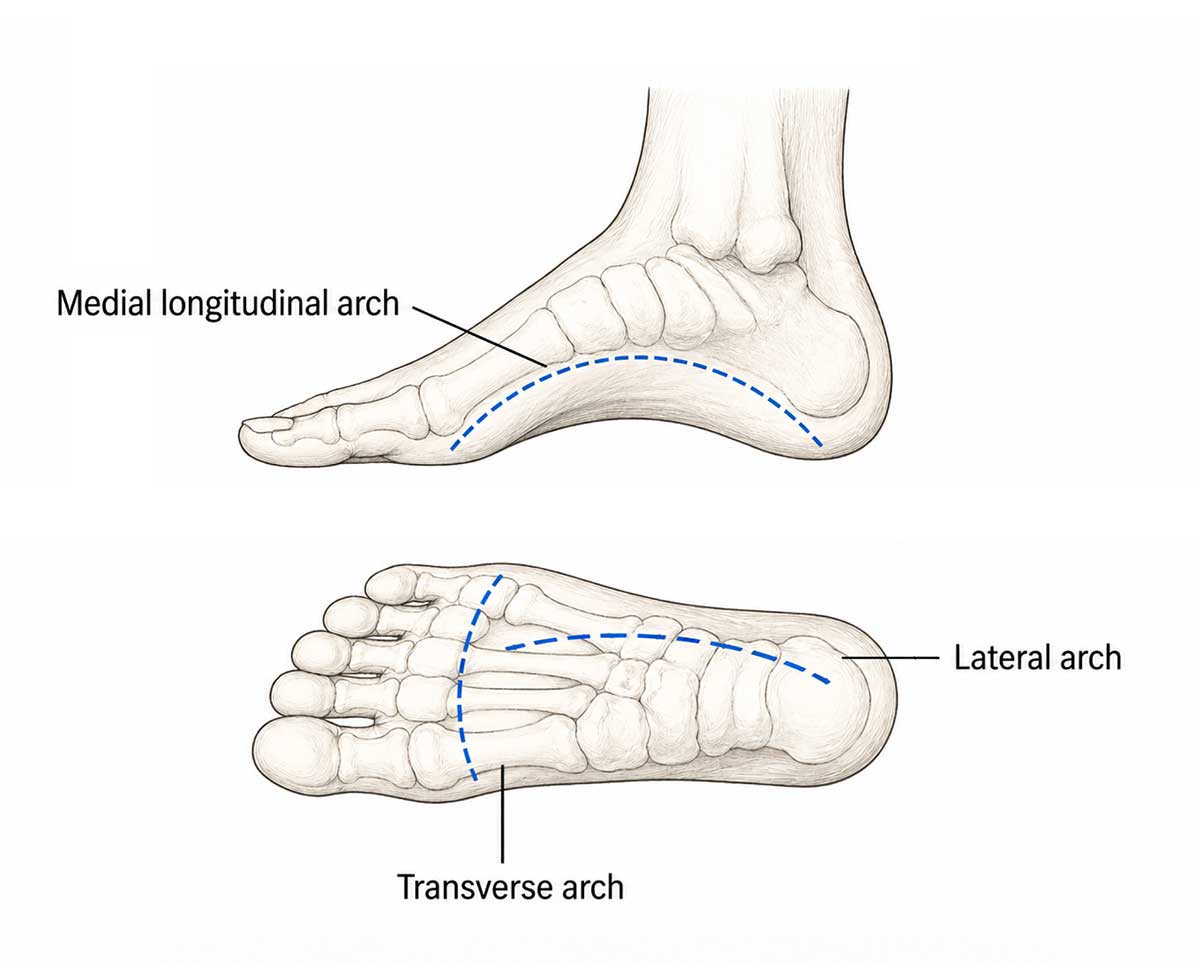
What are the best insoles for flat feet?
The best insoles for flat feet are firm enough to hold the arch up under your full body weight. Look for three things: a supportive arch shell that doesn’t flatten when you press it with your thumb, a deep heel cup that keeps the heel bone upright, and a shape that fits the shoes you wear most. A soft gel or foam insole can feel pleasant in the store, but it compresses under load and does little to stop the foot rolling inward.
The right choice also depends on how flat your feet are and what you do. For moderate to severe flat feet, Footlogics Premium gives the most support. For everyday shoes and mild to moderate flat feet, Footlogics Comfort is the usual starting point. Runners and gym-goers do best with Footlogics Sports, and if your shoes are tight or dressy, choose Versa or Casual.
Do insoles really help flat feet?
For many people, yes, especially when flat feet cause tired, aching feet, arch or heel pain, or shin pain. Insoles don’t permanently change the shape of an adult foot. They work while you wear them, by supporting the arch, controlling how far the foot rolls inward and spreading pressure more evenly across the sole.
The research is encouraging but honest about its limits. A 2014 systematic review of 13 studies of adults with flexible flat feet found good to moderate evidence that foot orthoses improve physical function, such as steadier balance when standing and lower energy cost when walking. It found lower-level evidence for less pain, and called for larger trials (Banwell et al., 2014). In practice, insoles work best alongside supportive shoes and simple strengthening exercises.
Should insoles for flat feet be soft or firm?
Firm, with a cushioned top layer. The support has to come from a structured shell that holds its shape under your weight; softness on its own doesn’t hold the arch up. A useful test is to press the arch of the insole with your thumb. If it folds flat easily, it won’t support a flat foot.
Research on injury prevention points the same way. A 2017 review of the trial evidence found that foot orthoses reduced the risk of injuries in active people, while shock-absorbing insoles made no significant difference (Bonanno et al., 2017). Footlogics insoles pair a firm supportive shell with a softer cushioned top cover, so you get structure without a hard feel.
Can flat feet cause knee, hip or back pain?
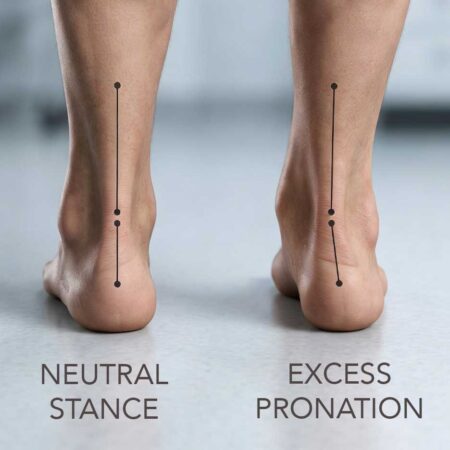
They can contribute. When the arch collapses and the foot rolls inward, the shin rotates inward too. That can change how load passes through the knee, hip and lower back. Flat feet aren’t the only cause of these aches, but foot posture is one part of the picture worth checking.
Large studies support a link, though they show association rather than proof of cause:
• In the Framingham Foot Study of 1,903 adults, people with the flattest feet had 1.3 times the odds of frequent knee pain and 1.4 times the odds of cartilage damage on the inner side of the knee (Gross et al., 2011).
• In the same community, a study of 1,930 adults linked feet that roll inward when walking to lower back pain in women, but not in men (Menz et al., 2013).
• A review of overuse injuries found strong evidence that a pronated (inward-rolling) foot posture is a risk factor for shin splints, although the effect was small (Neal et al., 2014).
If your knees or back ache after long days on your feet, supporting your arches is a simple, low-risk thing to try. See our insoles for knee pain and insoles for back pain.
How do I know if I have flat feet?
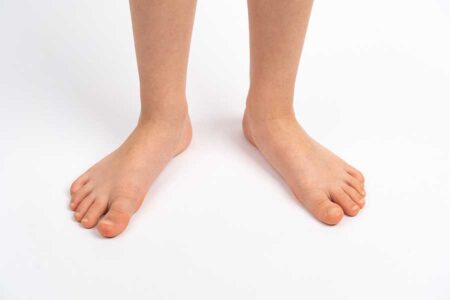
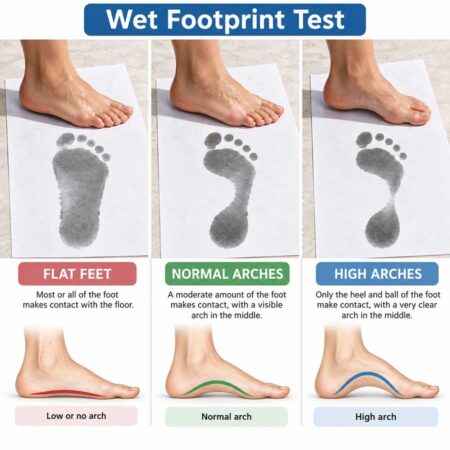
Try the wet footprint test. Wet the soles of your feet, stand on a piece of cardboard or a brown paper bag, then step off. If almost the whole width of your foot shows, with little or no inward curve along the inside edge, you have low arches or flat feet. Your shoes can also give clues: wear on the inside edge of the heel, or shoes that tilt inward when you set them on a table, often mean your feet roll inward.
Next, check whether your flat feet are flexible. Stand on your tiptoes, or sit with your foot off the floor. If an arch appears, your flat feet are flexible, the most common type, and they usually respond well to insoles. If the foot stays flat, feels stiff, or one foot has flattened recently, have it checked by a professional.
What’s the difference between flat feet and fallen arches?
“Flat feet” usually describes feet that have always had low arches, often a family trait. “Fallen arches” describes arches that have dropped in adulthood. Arches can fall with age, weight gain, pregnancy, long hours standing on hard floors, arthritis or injury. Age and higher body weight are both linked to flat feet in adults (Shibuya et al., 2010).
One cause of fallen arches needs special attention: posterior tibial tendon dysfunction. The tendon that holds up the arch along the inside of the ankle becomes strained or torn, and the foot gradually flattens. Warning signs include pain and swelling along the inside of the ankle, one foot flattening more than the other, and difficulty rising onto your toes. It tends to get worse without treatment, so see a professional early (Royal Orthopaedic Hospital, NHS). Read more in our guide to flat feet and fallen arches.
Footlogics flat feet solutions: six insole options
Footlogics offers six insoles for flat feet: Premium, Comfort, Casual, Sports, Versa, and Active. Each is designed with podiatrist and physiotherapist input, international shipping, free shipping, affordability, and a 30-day guarantee.
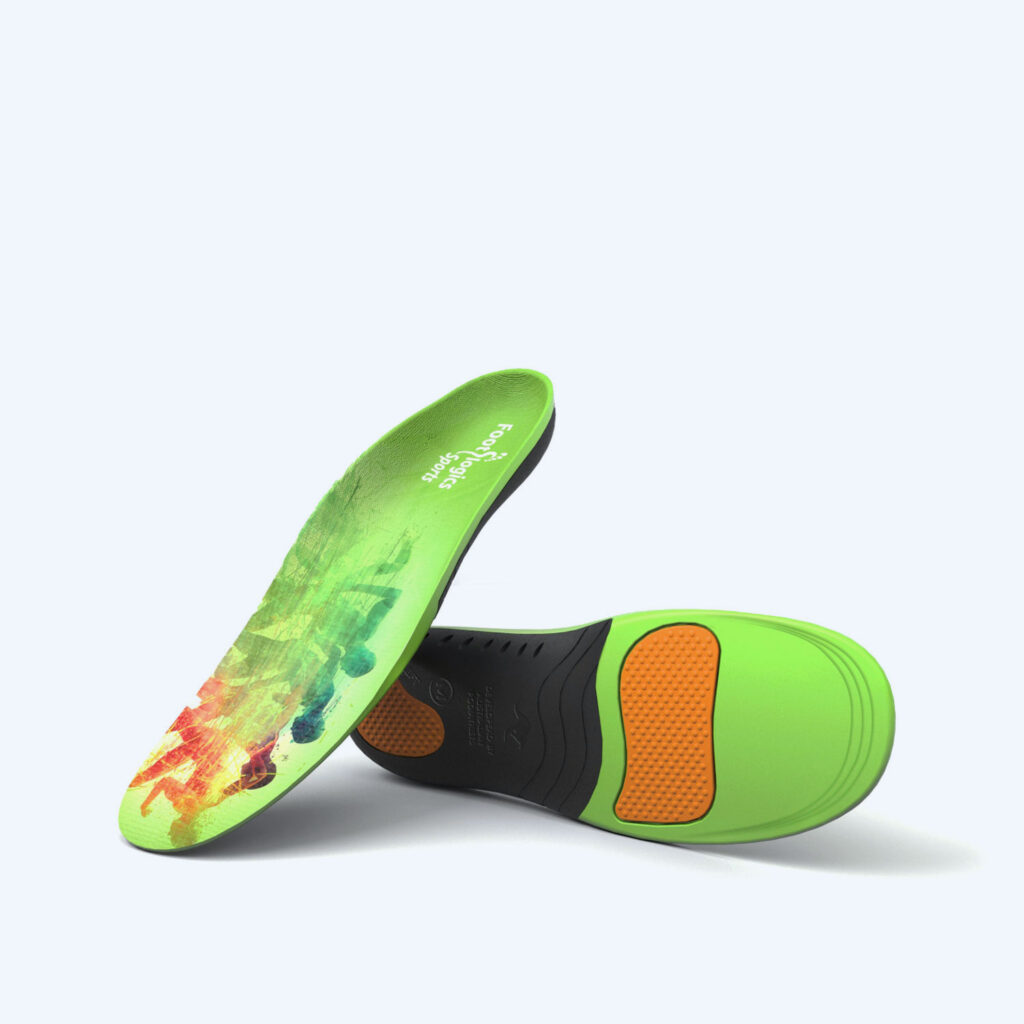
Footlogics Sports
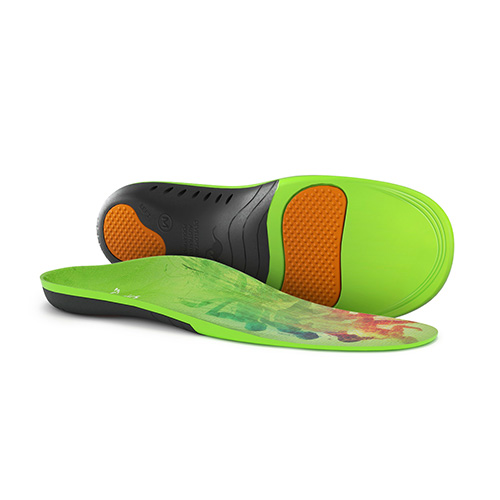
Footlogics Sports is designed for running, gym training, basketball, soccer, netball, and HIIT. It offers strong support, a reinforced heel cup, and extra cushioning in the heel and forefoot. Rigid or semi-rigid orthotics are built to help correct mechanical alignment and control over-pronation, fitting well in structured athletic or walking shoes. Sports is ideal when you need running insoles that support flat feet and help reduce impact.
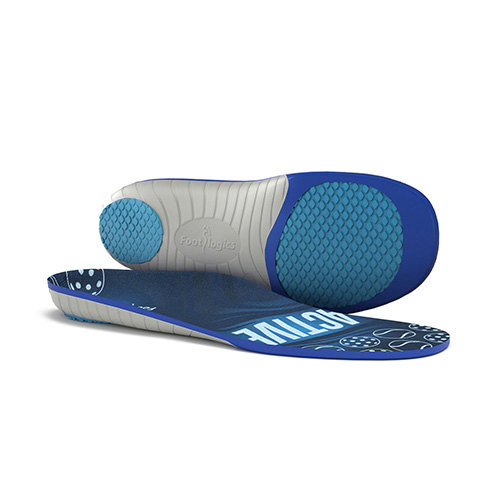
Footlogics Active
‘Active’ is the latest Footlogics insole for pickleball and tennis players with flat feet. It provides strong medial support, a deep heel cradle, side-to-side stability, forefoot cushioning, and metatarsal support for quick stops on hard courts.
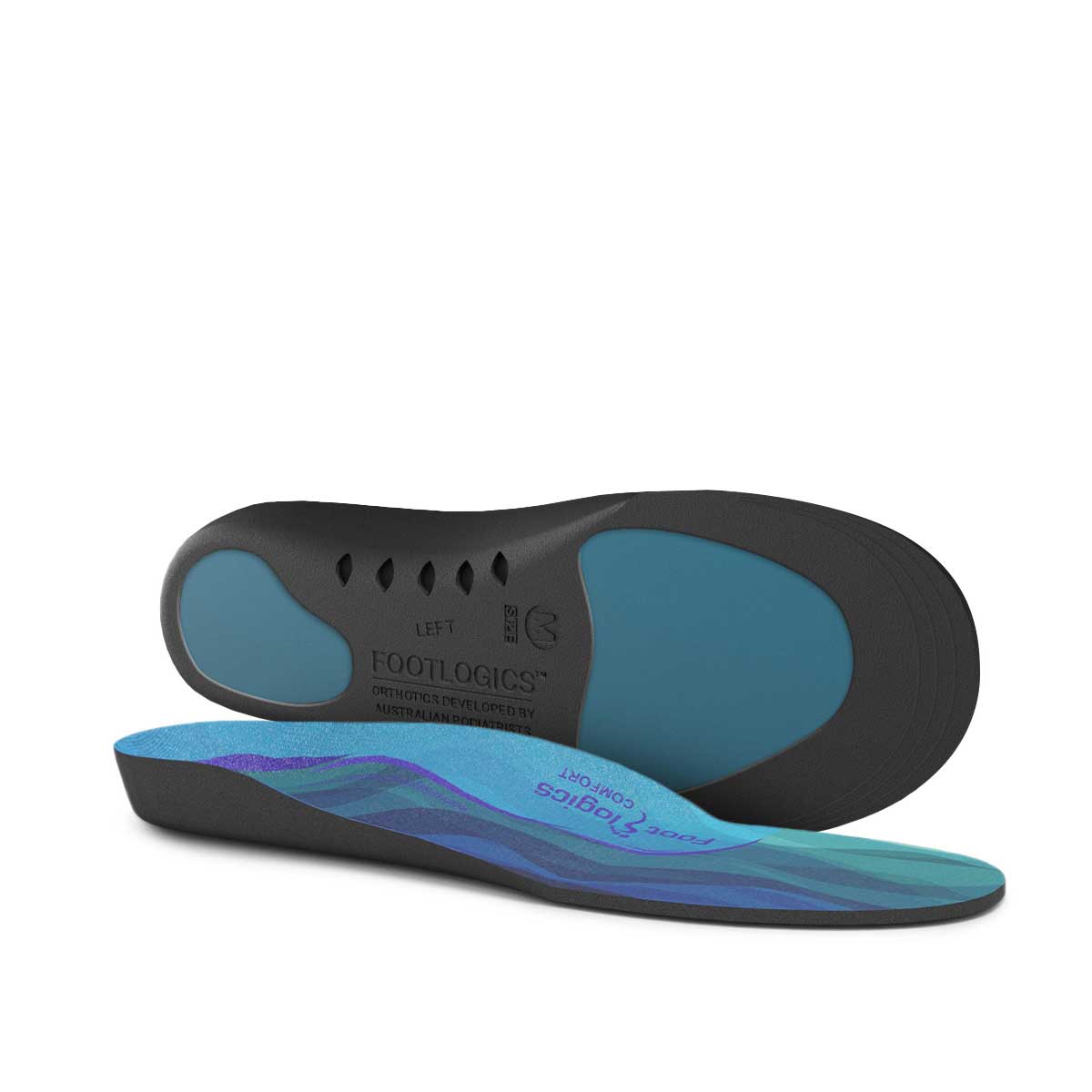
Footlogics Comfort
Footlogics Comfort has medium-firm high arch support and a very deep, stabilizing heel cup and mild metatarsal support. It is the orthotic of choice for many podiatrists and physical therapists. Great for flat feet, plantar fasciitis, knee or lower pain back. The insole fits everyday sneakers, casual lace-ups, and many work shoes.
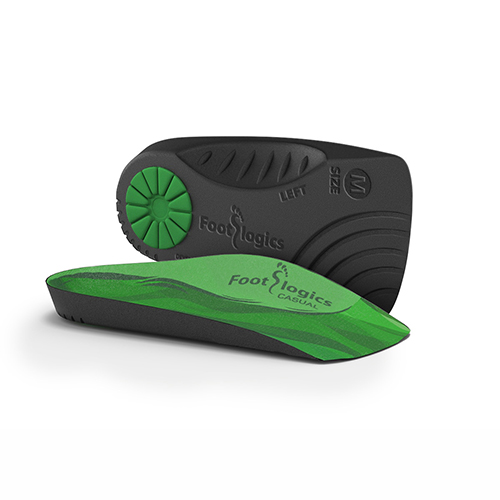
Footlogics Casual
Casual is a 3/4 length insole for dress shoes, loafers, women’s flats, and tighter casual footwear. It gives arch support and over-pronation control without taking up as much forefoot space. For office wear, it can turn the best shoe in your closet from “looks good, hurts later” into something more practical.
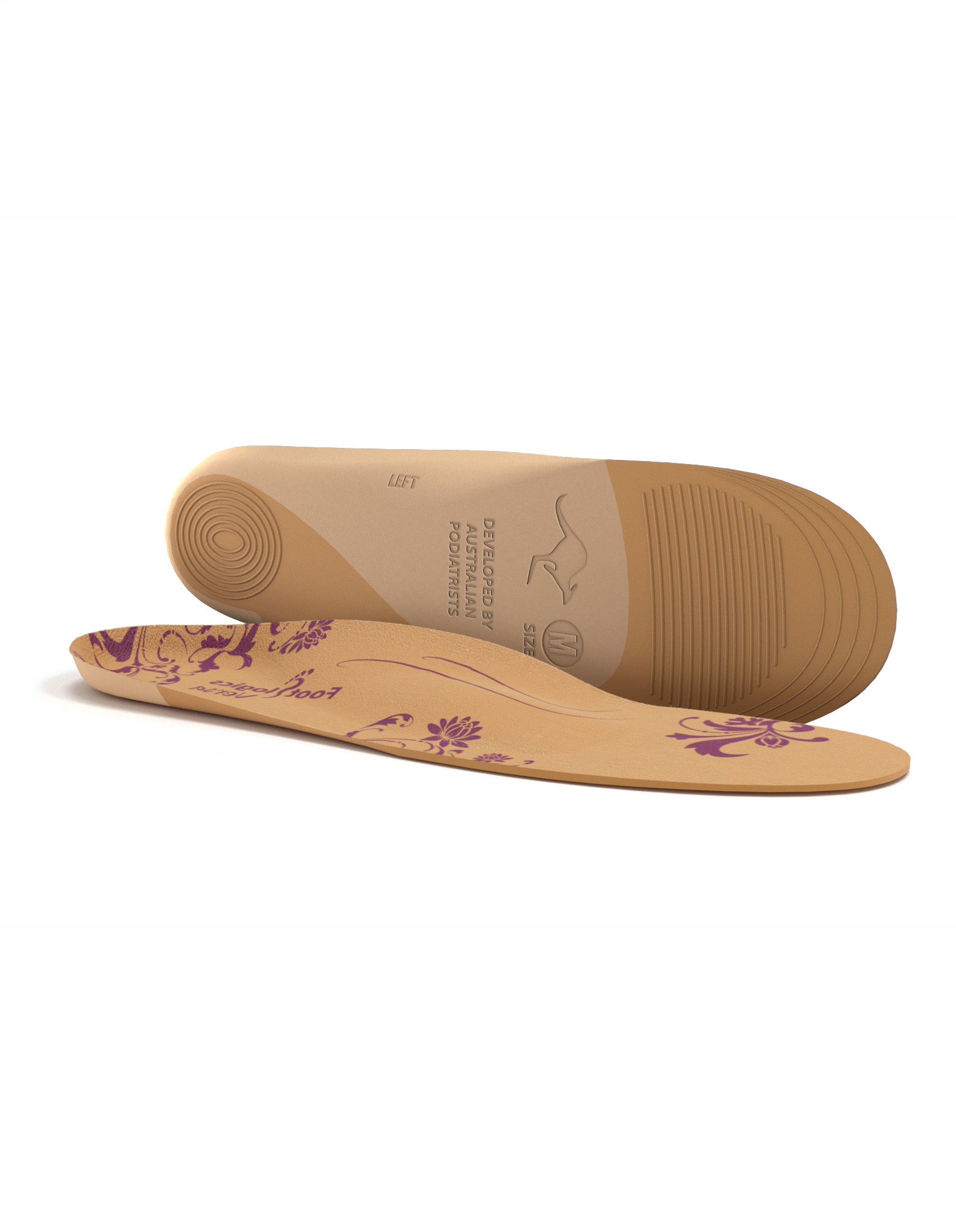
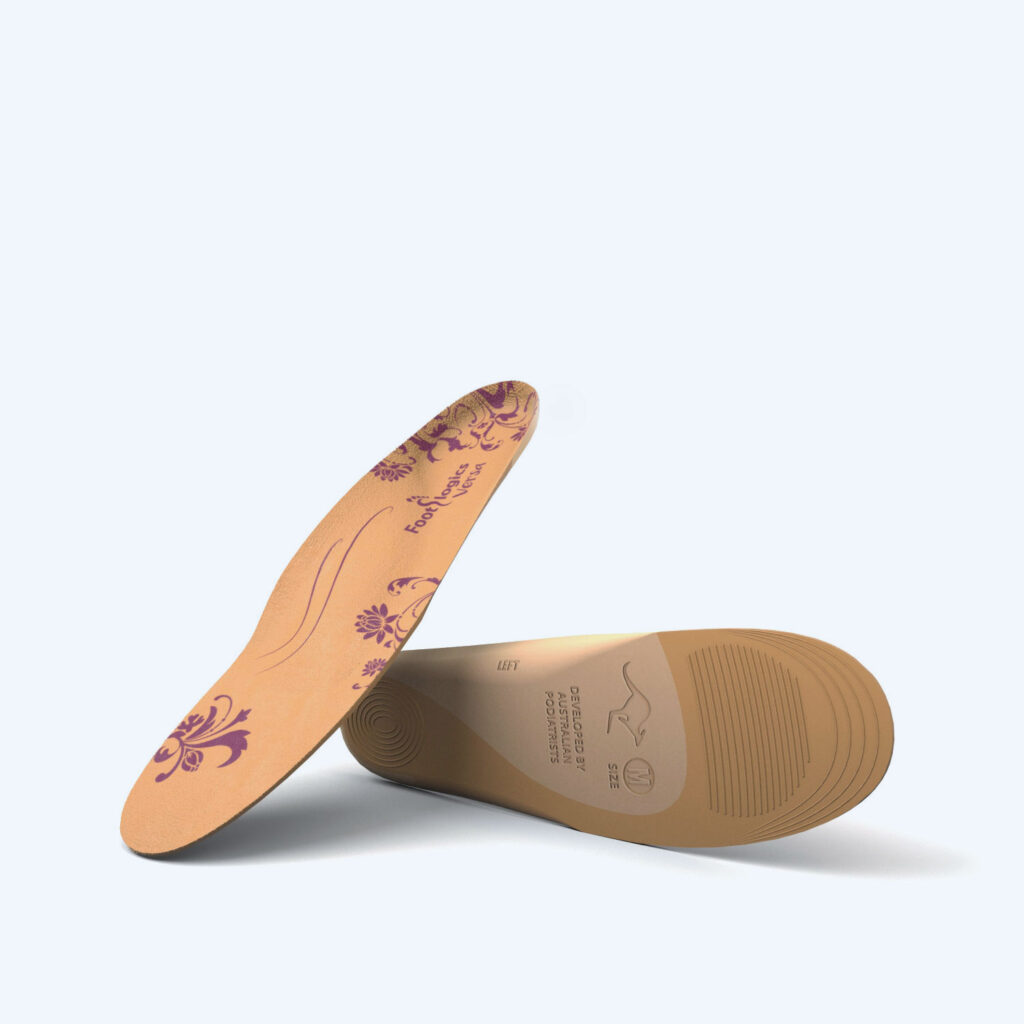
Footlogics Versa
Footlogics Versa bridges full-volume and low-profile models. It works across work shoes, casual sneakers, some dress shoes, and travel footwear, giving firm support for flat feet, with moderate cushioning.
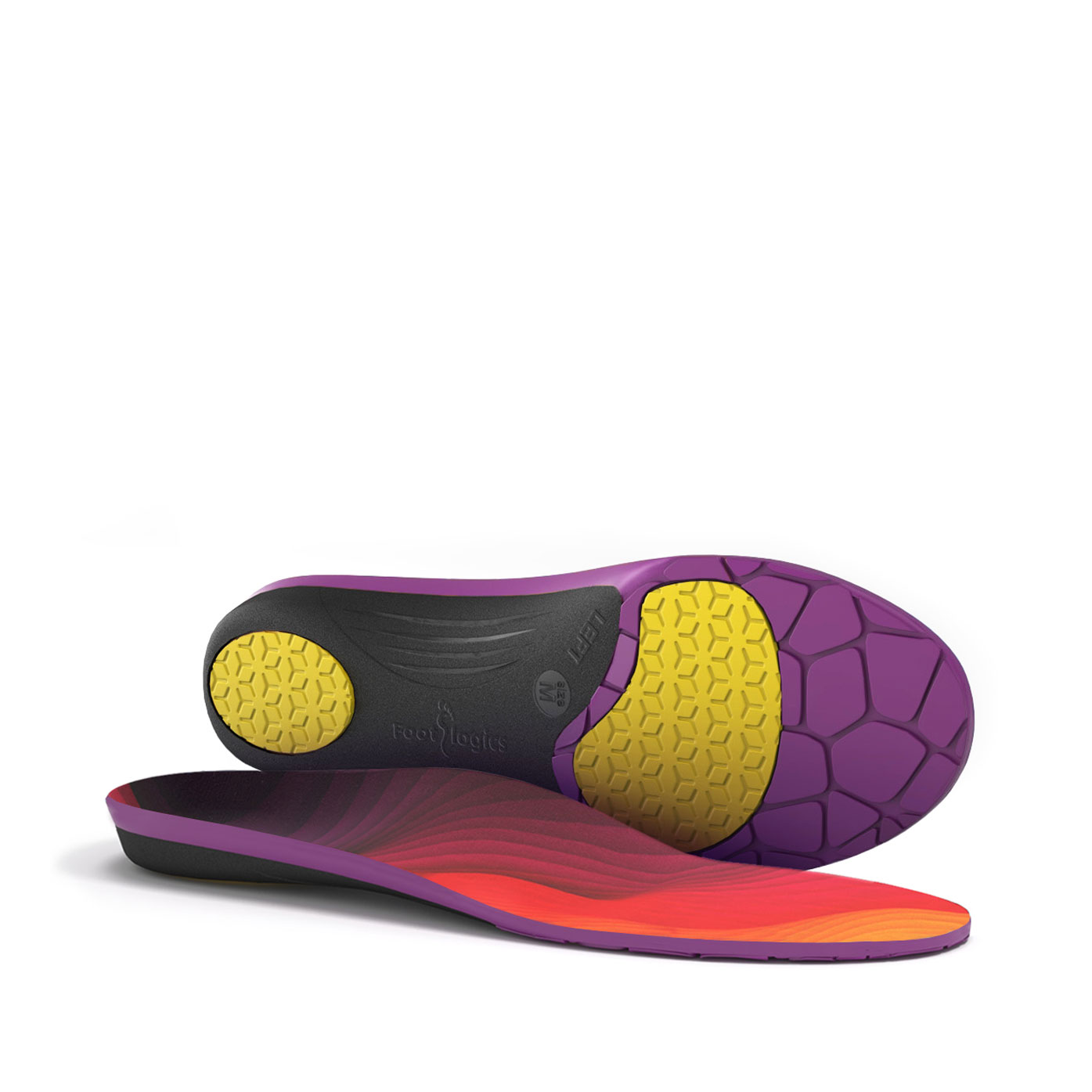
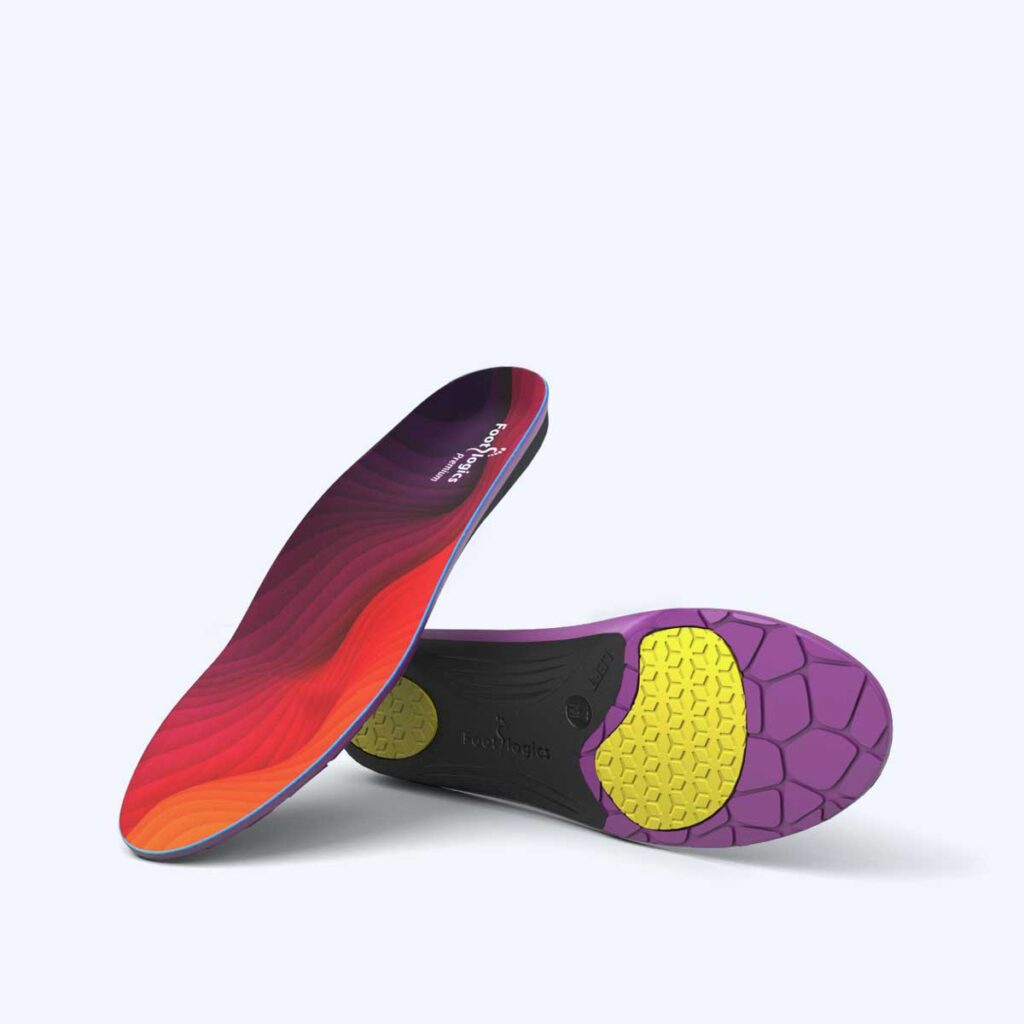
Footlogics Premium
Premium is the flagship full-length option for moderate to severe flat feet and over-pronation. It combines a firm arch support shell, a deep heel cup and cushioning P.U., for everyday walking. Use Premium in walking shoes, running shoes, work shoes, and boots with removable liners. It suits adults with plantar fasciitis, heel spurs, knee pain, or back pain linked to flat feet. Footlogics Premium is a very durable insole, featuring a hard-wearing nylon outer shell.
Do I need custom orthotics for flat feet, or will ready-made insoles work?
Most people with flexible flat feet can start with a quality ready-made orthotic insole. For common foot problems, trials have found that prefabricated orthotics often give similar results to custom-made devices. In plantar fasciitis, for example, both worked about equally well over three months (Landorf et al., 2006). A Cochrane review also found no evidence that custom orthotics outperform prefabricated ones (Hawke et al., 2008).
Custom orthotics make more sense for rigid or severe flat feet, inflammatory arthritis, a high-risk diabetic foot, or when a good ready-made insole hasn’t helped after a few weeks. In Canada, custom orthotics usually cost several hundred dollars after an assessment. Many extended health plans cover them, but usually only with a prescription. Read our full comparison of custom orthotics and off-the-shelf insoles.
How long does it take to get used to insoles for flat feet?
Most people adjust within one to two weeks. If your arches have been unsupported for years, firm support can feel strange at first, like something pushing up under the arch. That’s normal. Wear the insoles for an hour or two on the first day, add an hour or so each day, and wear them full time once they feel comfortable.
Mild arch awareness in the first week is expected. Sharp pain, blisters or new pain in your knees or hips isn’t. If that happens, cut back your wearing time, check that the insole is the right size and sits flat in the shoe, and contact us if it doesn’t settle.
Flat feet insoles and the Canadian lifestyle
Winter boots. Many winter boots are warm and waterproof but flat inside, with almost no arch support. Walking on snow and ice also makes your feet work harder to keep you steady. Fit your insoles with the thick socks you’ll wear, and let them air dry after slushy days, away from heaters and boot dryers that can warp the support. See our winter boot insoles.
Hockey skates. Stock skate footbeds are usually flat, which can lead to arch cramps and tired feet over a long ice time. A slim supportive insole holds the foot in a better position inside the boot. See our hockey skate insoles.
Shoes-off homes. Most Canadian homes are shoes-off, so many people with flat feet spend evenings and weekends barefoot on hardwood, tile or laminate. If your arches ache at the end of a day at home, wear supportive indoor shoes or slippers with a removable footbed, and put an insole in them.
Can exercises fix flat feet?
Exercises won’t build a new arch in an adult foot, but they can strengthen the small muscles that support it and make your feet less tired. The most studied is the short foot exercise. Sit with your foot flat on the floor, then draw the ball of your foot towards your heel without curling your toes, so the arch lifts slightly. Hold for 5 to 10 seconds, relax, and repeat 10 times, building up to doing it standing.
In a 2024 trial of 45 young women with flexible flat feet, six weeks of short foot exercises reduced arch drop and improved balance. Adding a hip-strengthening exercise gave the largest improvement (Zarali et al., 2024). Calf stretches and heel raises also help, because tight calves pull the foot into a flatter position. Exercises and insoles work well together: the insole supports the arch during the day while the exercises build strength.
When should you see a foot specialist?
See a family doctor, podiatrist, chiropodist, physiotherapist or Canadian Certified Pedorthist if:
• one foot has recently become flatter than the other
• you have pain or swelling along the inside of the ankle, or can’t rise onto your toes
• your foot is stiff and stays flat when you stand on tiptoe
• pain hasn’t improved after a few weeks of supportive insoles and better shoes
• you have diabetes, poor circulation or numbness in your feet
Depending on your province, your local foot specialist may be a podiatrist or a chiropodist. Many extended health plans cover some of these visits.
Try Footlogics insoles risk-free
Footlogics insoles are designed by podiatrists to support flat feet and fallen arches in the shoes you actually wear. Every pair is priced in Canadian dollars, ships across Canada and comes with a 30-day money-back guarantee. Not sure which model to choose? Use our insole finder or contact us.
Frequently asked questions about flat feet insoles
Can flat feet be fixed, or are they permanent?
In adults, flat feet are usually permanent. The shape of the foot is set by your bones and ligaments, and insoles don’t change it for good. What insoles and exercises can do is reduce pain and fatigue and improve how your feet work. The aim isn’t to create a high arch, but to support the arch you have. Surgery is only considered for severe, painful cases that don’t respond to other treatment.
Do I need insoles if my flat feet don’t hurt?
Not necessarily. Many people have flat feet all their lives without problems. Insoles are worth trying if your feet, legs or back ache after long days standing or walking, if you’re increasing your running or walking, or if your shoes wear down quickly on the inside edge. If you’re comfortable and active, there’s no need to change anything.
How long do flat feet insoles last?
With daily wear, most Footlogics insoles last about 9 to 18 months. Heavy use, such as running, long shifts or wearing them every day in work boots, wears them out faster. Replace them when the arch no longer springs back when pressed, the heel cup has flattened, or the top cover has worn through.
Can insoles make flat feet worse or weaken my feet?
There’s no good evidence that supportive insoles weaken the foot. Many people use them for years without problems. Pairing them with the short foot exercise and calf stretches keeps the foot muscles working. An insole can cause problems if it’s the wrong size, too high in the arch for your foot, or worn full time before you’ve adjusted, so break new insoles in gradually.
Should I wear insoles in both shoes if only one foot is flat?
Usually yes. Wearing an insole in only one shoe can make you feel uneven and change how you walk. Most people have some difference between their feet, and an insole in each shoe keeps you balanced. If one foot has recently become much flatter than the other, see a professional, because that can be a sign of a tendon problem.
Are Footlogics insoles covered by extended health benefits?
Most Canadian extended health plans cover custom orthotics only when they’re prescribed and made from a cast or scan of your feet, so ready-made insoles usually aren’t covered under the orthotics benefit. Some plans let you claim them through a health spending account. Check with your insurer, and keep your receipt.
Can flat feet cause plantar fasciitis?
Flat feet are one of several factors linked to plantar fasciitis. When the arch collapses, the plantar fascia, the band of tissue under the foot, is stretched further with every step, which can strain it where it attaches to the heel. Firm arch support and a deep heel cup reduce that strain. See our insoles for plantar fasciitis.
Do flat feet get worse with age?
They can. Ligaments and tendons lose some of their spring with age, and weight gain adds load, so arches can drop gradually over the years. Supportive shoes, insoles and strength work help. A sudden change, especially in one foot, isn’t normal ageing and should be checked.
Can I wear insoles for flat feet in slippers or sandals?
Yes, if they have a removable footbed and enough room. Supportive indoor shoes or slippers with a removable liner work well with a full-length insole, which helps in shoes-off homes with hard floors. Most open sandals don’t hold an insole securely, so choose sandals with built-in arch support instead.
What size insole should I order?
Choose by your shoe size using our sizing guide. If you’re between sizes, pick the larger size and trim the toe end to match your shoe’s original liner. Don’t trim around the heel or arch, because that changes how the support fits your foot.
References
- Banwell HA, Mackintosh S, Thewlis D. Foot orthoses for adults with flexible pes planus: a systematic review. Journal of Foot and Ankle Research. 2014;7:23. doi:10.1186/1757-1146-7-23
- Bonanno DR, Landorf KB, Munteanu SE, Murley GS, Menz HB. Effectiveness of foot orthoses and shock-absorbing insoles for the prevention of injury: a systematic review and meta-analysis. British Journal of Sports Medicine. 2017;51(2):86. doi:10.1136/bjsports-2016-096671
- Gross KD, Felson DT, Niu J, et al. Flat feet are associated with knee pain and cartilage damage in older adults. Arthritis Care & Research. 2011;63(7):937–944. Full text
- Hawke F, Burns J, Radford JA, du Toit V. Custom-made foot orthoses for the treatment of foot pain. Cochrane Database of Systematic Reviews. 2008. Summary in American Family Physician
- Landorf KB, Keenan AM, Herbert RD. Effectiveness of foot orthoses to treat plantar fasciitis: a randomized trial. Archives of Internal Medicine. 2006;166(12):1305–1310. doi:10.1001/archinte.166.12.1305
- Menz HB, Dufour AB, Riskowski JL, Hillstrom HJ, Hannan MT. Foot posture, foot function and low back pain: the Framingham Foot Study. Rheumatology. 2013;52(12):2275–2282. Full text
- Neal BS, Griffiths IB, Dowling GJ, et al. Foot posture as a risk factor for lower limb overuse injury: a systematic review and meta-analysis. Journal of Foot and Ankle Research. 2014;7:55. doi:10.1186/s13047-014-0055-4
- Pfeiffer M, Kotz R, Ledl T, et al. Prevalence of flat foot in preschool-aged children. Pediatrics. 2006;118:634–639. PubMed
- Royal Orthopaedic Hospital NHS Foundation Trust. Adult acquired flat foot (posterior tibial tendon dysfunction).
- Shibuya N, Jupiter DC, Ciliberti LJ, VanBuren V, La Fontaine J. Characteristics of adult flatfoot in the United States. Journal of Foot and Ankle Surgery. 2010;49(4):363–368. doi:10.1053/j.jfas.2010.04.001
- Zarali A, Raeisi Z, Aminmahalati A. The effects of combined exercises, short foot exercises, and short foot exercises with isometric hip abduction on navicular drop, static parameters, and postural sway in women with flat foot: a randomized trial. BMC Sports Science, Medicine and Rehabilitation. 2024;16:233. doi:10.1186/s13102-024-01019-9
This page is general information, not a diagnosis. If you have ongoing foot pain, see a qualified health professional.
