Orthotic insoles for people with Diabetes
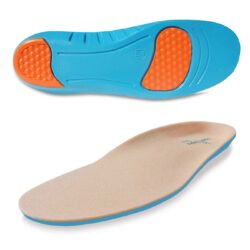
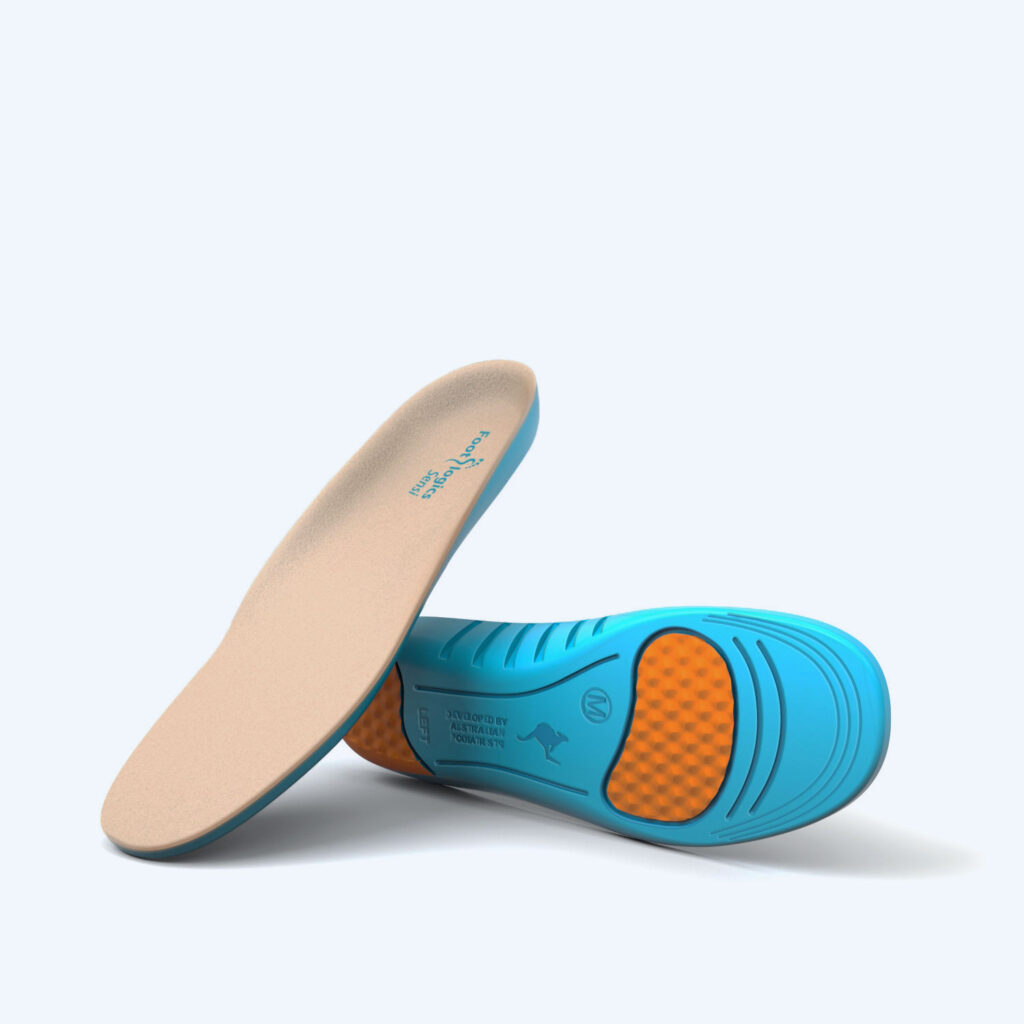
Footlogics SENSI
CAD $36.95
What is ‘Diabetic Foot’ and what are the risks?
“Diabetic foot” refers to a variety of foot disorders caused by peripheral neuropathy (nerve damage) and peripheral artery disease (poor circulation) in the lower extremities. These conditions can lead to foot injuries, infections, ulcers, deformities, and in severe cases, amputation. Diabetic foot syndrome is a combination of nerve degeneration, vascular problems, and infection. Advanced cases may develop Charcot foot, a severe deformity.
Diabetic neuropathy is a primary cause of numbness or reduced ability to feel pain, pressure, and hot or cold temperatures. As a result, people with neuropathy can easily develop minor cuts, scrapes, bruises, blisters, or common pressure sores without realizing it, simply because they can’t feel what’s happening to their feet.
Issues such as poorly fitting shoes, excessive pressure, and friction on the feet often go unnoticed as a result. Left untreated, these minor issues can lead to major complications, including ulceration and, in serious cases, amputation.
Diabetic foot issues affect millions of people worldwide and are a leading cause of hospitalization. A significant proportion of people with diabetes may require hospitalization for a foot condition, especially ulcers, which commonly precede lower-limb amputations.
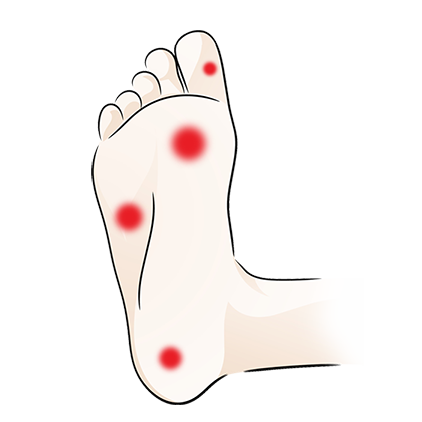
What causes diabetic foot problems?
01.
Peripheral neuropathy
Foot nerve fibers are damaged by high blood glucose, causing loss of feeling. Due to this loss, wounds, blisters, and ill-fitting shoes may go undetected and untreated. Damaged and infected wounds can occur without pain signals.
02.
Poor circulation
Diabetics with peripheral artery disease have poor foot blood flow, making wound healing tougher. Reduced blood flow increases infection and ulcer risk.
03.
Foot deformities and excessive pressure
Walking with hammertoes, protruding bones, or collapsed arches increases peak pressure points. Pressure points are ulceration hotspots, especially with neuropathy.
Risks when left untreated
Developed by podiatrists, Footlogics offers a wide range of affordable orthotics designed to provide effective relief for plantar fasciitis, heel pain, and heel spurs. Depending on the type of shoes you wear, your arch height, and your activities, we offer 5 different insoles:
Treatment options and self-care
01.
Daily foot care
Patients with diabetes should check their feet daily for wounds, redness, swelling, calluses, and warmth, and wash and dry them carefully. Inspect your feet daily. Look for any sores, swollen areas, skin discoloration, cuts, and blisters. Use a mirror to examine the soles of your feet. Maintain good foot hygiene, wash them with warm water and a mild soap. Dry carefully, especially between your toes. Use lotion on dry skin, but never between your toes (use foot powder instead). Trim your toenails regularly. Change your socks daily. Avoid tight, elasticized socks. Opt for seamless, well-fitted socks instead. Always wearing socks and supportive shoes reduces the risk of hidden injuries.
02.
Medical Wound Care
Cleansing, infection management, debridement, dressings, and increasingly, off-loading to alleviate pressure and encourage healing are needed for foot ulcers.
03.
Off-Loading/Total Contact Casting
Off-loading pressure from active ulcers is essential. Healing diabetic foot ulcers using complete contact casting, which distributes weight away from the lesion, is beneficial.
04.
Blood sugar control
Controlling blood glucose reduces neuropathy and vascular consequences.
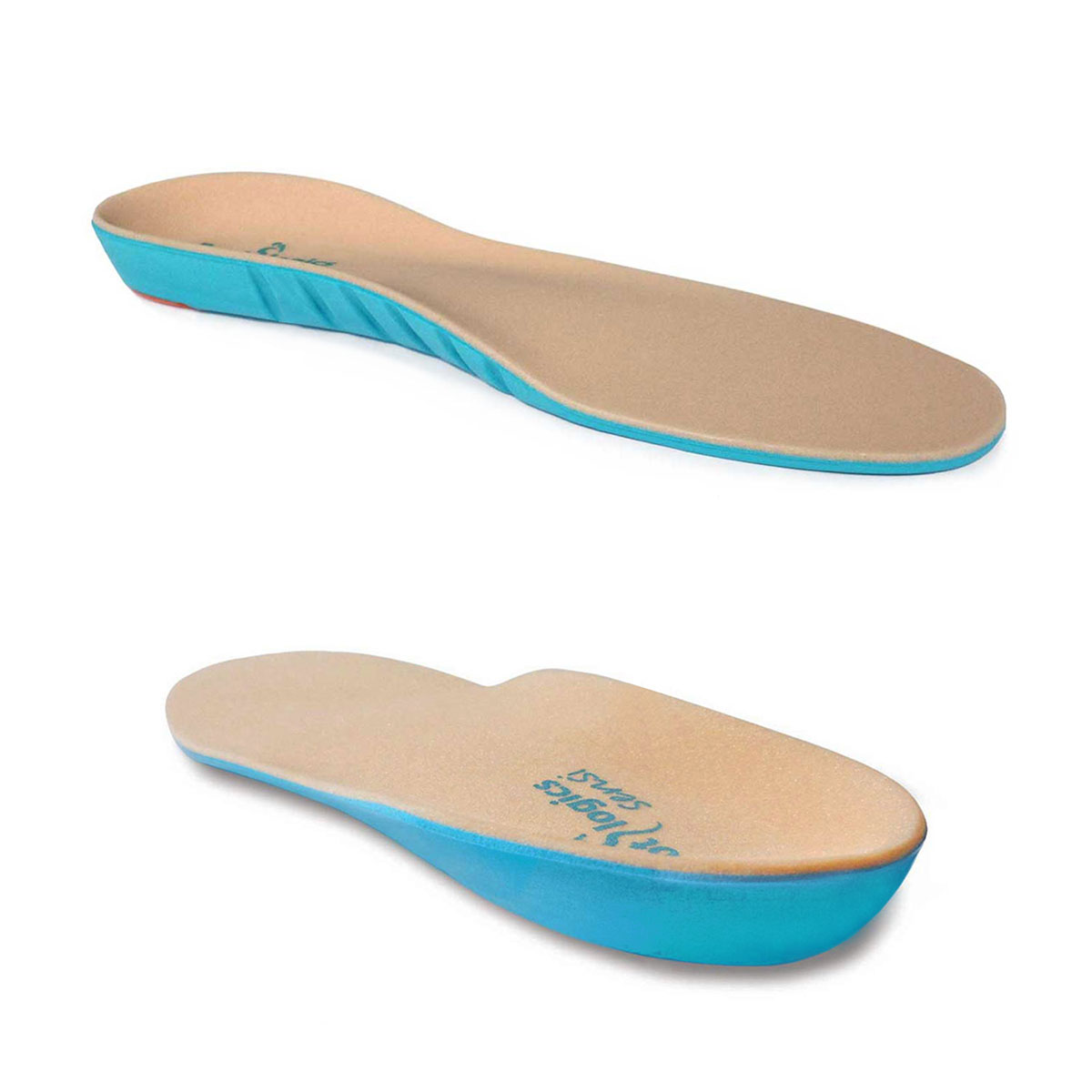
Foot orthotics for diabetics
Orthotics—special shoe inserts—are designed to prevent and treat diabetic foot issues. Orthotics for diabetes aim to:
Reduce peak plantar pressure in ulcer-prone regions.
To avoid hotspots, distribute foot pressure over the entire foot
Enhancing stability and comfort
Protecting fragile foot structures from repeated stress and damage
Plastazote® and Orthotic Materials
A special polyethylene foam called “Plastazote®” is used in diabetic orthotics because it’s soft, pressure-absorbing, and conforms to the foot under heat and pressure. Neuropathy patients’ sensitive feet benefit from this because it moulds softly to the foot, reducing friction and evenly distributing pressure across the sole.
Research has found that softer orthotic materials like Plastazote® and polyethylene foam can help minimize peak plantar pressures, which may help prevent foot ulcers. A gait study in patients with diabetic neuropathy demonstrated that insoles made with a variety of materials, including Plastazote®, improved plantar pressure distribution and lowered peak pressure during daily walking.
Orthotic Insoles for Diabetes - research and studies
Several clinical trials have examined diabetic foot ulcer prevention and treatment orthotics:
A randomized controlled trial compared bespoke and prefabricated insoles for diabetic peripheral neuropathy. Both insoles lowered peak pressure and improved contact area, which prevent ulcers, for six months. Cost-effective prefabricated insoles may be equally helpful as personalized custom orthotics, the study found.
Insoles lowered peak plantar pressures in patients with neuropathic diabetic foot ulcers when utilized with routine wound care, suggesting their significance in preventing additional foot damage.
Insoles may be useful in a diabetic foot pressure-offloading approach because they minimize ulcer recurrence and peak plantar pressure, according to systematic studies.
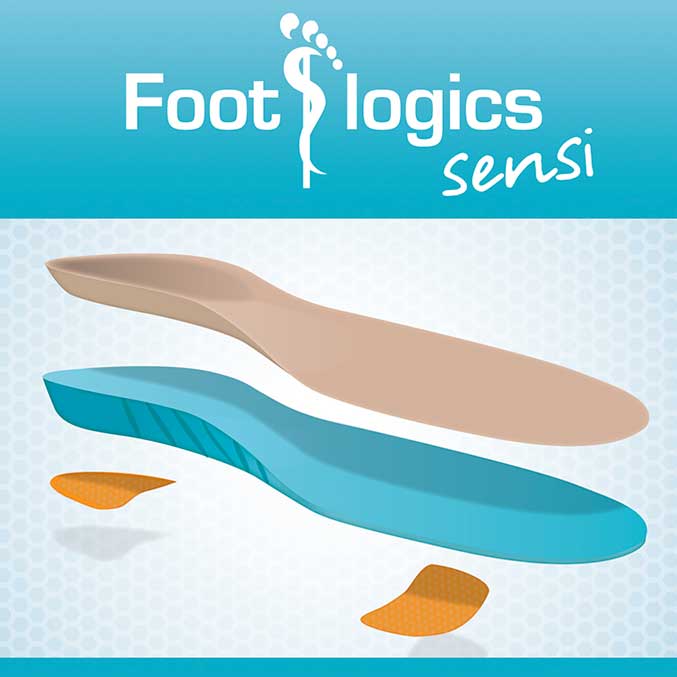
Footlogics orthotic shoe inserts for Diabetic Foot
Developed by a team of podiatrists, our Footlogics Sensi features an anatomic shape that promotes even distribution of your body weight, helping to avoid pressure points. A 3mm layer of Plastazote® covers these diabetic insoles, as this is a material widely favoured by podiatrists. Plastazote® conforms quickly to your foot, providing a glove-like fit that limits rubbing and helps prevent blisters or ulcer formation.
Diabetic orthotics can help prevent pressure sores caused by friction inside your shoe. Over-pronation is a common contributing factor to excess friction and pressure on the foot. Over-pronation — the rolling in of your foot and flattening of its arches — can cause the feet to function poorly, generating friction under the ball of the foot, on the outside of the big toe joint, and on top of the toe joints. Orthotics can help prevent over-pronation and evenly distribute your body weight across the entire foot, reducing friction and pressure.
Footlogics Sensi orthotics were developed by leading podiatrists and are shaped to closely match the plantar surface (underside) of your feet. They help evenly distribute the force generated while walking, protecting the sensitive areas of your feet from excess pressure and friction.
Orthotics support your feet and help guide them back toward a more natural position. The medical-grade Plastazote® top layer is designed to minimize the risk of irritation and provides maximum cushioning.
Many people with diabetes find Footlogics Sensi a comfortable footbed for their feet, and it can also offer excellent comfort while walking for people living with arthritis or sensitive feet.
Shoe fitting – Why a proper fit is important
A special polyethylene foam called “Plastazote®” is used in diabetic orthotics because it’s soft, pressure-absorbing, and conforms to the foot under heat and pressure. Neuropathy patients’ sensitive feet benefit from this because it moulds softly to the foot, reducing friction and evenly distributing pressure across the sole.
Research has found that softer orthotic materials like Plastazote® and polyethylene foam can help minimize peak plantar pressures, which may help prevent foot ulcers. A gait study in patients with diabetic neuropathy demonstrated that insoles made with a variety of materials, including Plastazote®, improved plantar pressure distribution and lowered peak pressure during daily walking.
Conclusion
Diabetic foot, caused by nerve loss, poor circulation, and structural abnormalities, can lead to ulcers, infection, and amputation if left untreated. Regular foot exams, blood sugar control, wound treatment, and orthotic intervention are all important parts of care.
Orthotics made of soft, pressure-redistributing materials like Plastazote® can be an effective part of prevention and treatment. They help reduce peak plantar pressures and distribute weight more evenly, helping to protect at-risk areas from ulcers. Although research is still evolving, several clinical studies support their strategic use as part of comprehensive diabetic foot care. Understanding how and why orthotic insoles work is an important piece of diabetic foot care that can help protect both limbs and quality of life. Consult your doctor or a podiatrist for a customized foot care plan.
FAQs about insoles for DiaBETIC FOOT
1. Why are people with diabetes more likely to develop foot problems?
Diabetes can damage the nerves (diabetic neuropathy) and reduce blood circulation to the feet. This means you may not feel pain from cuts, blisters or pressure points, while slower healing increases the risk of infection and foot ulcers. Regular foot checks, supportive footwear and properly fitted orthotic insoles can help reduce excessive pressure and protect vulnerable areas of the foot.
2. Can orthotic insoles help prevent diabetic foot ulcers?
Orthotic insoles cannot guarantee the prevention of foot ulcers, but they can play an important role in reducing pressure on high-risk areas of the foot. Quality diabetic insoles are designed to distribute body weight more evenly, cushion sensitive areas and minimise friction, helping lower the risk of skin breakdown when combined with appropriate footwear and regular foot care.
3. What features should diabetic insoles have?
The best insoles for people with diabetes typically include:
• Soft cushioning to reduce pressure
• Arch support for improved foot alignment
• A deep heel cup for added stability
• Shock-absorbing materials
• A seamless top cover to reduce friction
• A full-length design that fits comfortably inside supportive footwear
These features work together to improve comfort while helping protect sensitive feet from excessive pressure.4. Should people with diabetes wear orthotics even if they don't have foot pain?
Yes. Many people with diabetes develop reduced sensation in their feet due to neuropathy, meaning they may not notice excessive pressure or minor injuries. Wearing supportive orthotic insoles before problems develop may help reduce pressure on vulnerable areas and support healthier foot function. It’s always advisable to seek guidance from your podiatrist or healthcare professional.
5. Can orthotics help people with diabetic neuropathy?
Orthotics cannot treat diabetic neuropathy itself, but they may help improve comfort and reduce mechanical stress on the feet. By supporting the arches, cushioning pressure points and improving weight distribution, orthotics can make walking more comfortable while helping reduce the risk of pressure-related skin damage.
6. How do orthotics reduce pressure on diabetic feet?
Orthotic insoles help spread body weight more evenly across the entire foot instead of concentrating pressure beneath the heel or ball of the foot. This pressure redistribution reduces peak loading in vulnerable areas, helping minimise friction and repetitive stress that can contribute to skin breakdown and ulcer formation.
7. What shoes should I wear with diabetic orthotic insoles?
Supportive walking shoes with a firm heel counter, adequate depth and a wide toe box are generally the best choice. Shoes should fit comfortably without rubbing or creating pressure points. Avoid tight-fitting footwear or worn-out shoes, as these can increase the risk of blisters and ulcers. Orthotic insoles perform best when combined with well-fitting supportive footwear.
8. Can diabetic insoles replace regular foot care?
No. Orthotic insoles are just one part of good diabetic foot care. People with diabetes should inspect their feet daily, keep their skin clean and moisturised, wear appropriate footwear, and attend regular check-ups with a podiatrist or healthcare professional. If you notice any redness, swelling, blisters, cuts or ulcers, seek medical attention promptl
what customer say..
REAL RELIEF. REAL RESULTS.
Proven arch support and relief. Trusted by millions.
Over 2 Million Pairs Sold
WHAT MAKES FOOTLOGICS DIFFERENT?
Footlogics orthotics are designed to deliver medical-grade support and relief — without the cost or wait time of custom orthotics.

TGA-Approved Medical Device
Meets strict medical standards

Developed by Podiatrists
Created for real foot conditions, not generic comfort

Trusted by Health Professionals
Recommended by doctors and physical therapists worldwide

Over 2 Million Pairs Sold
Proven support for everyday life, work, and sport

Available in 20+ countries
Trusted by customers across the globe

Australia’s #1 Orthotic Insole
Leading podiatrist-designed support brand
SHOP BY FOOT COMPLAINT
common aches & pains
Learn more about different foot conditions and how Footlogics orthotics can help..