Pickleball Insoles: Support, Performance & Injury Prevention
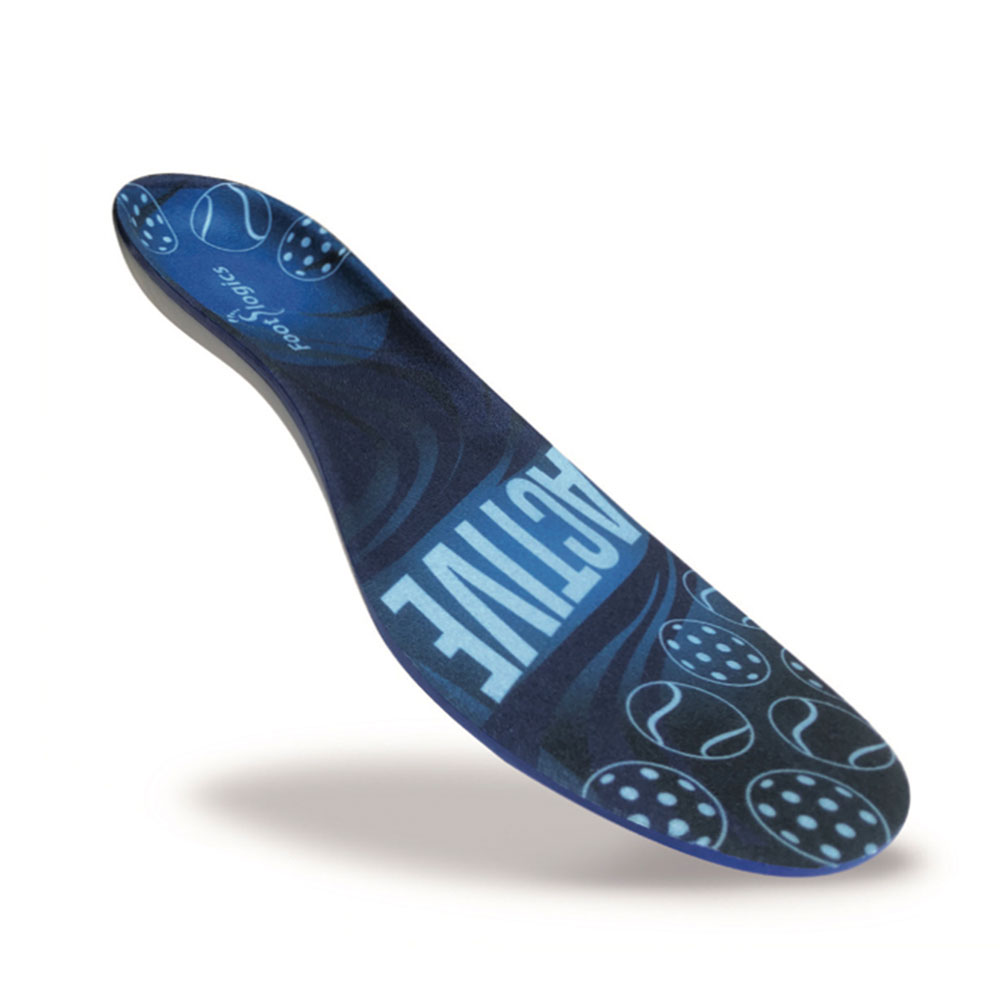
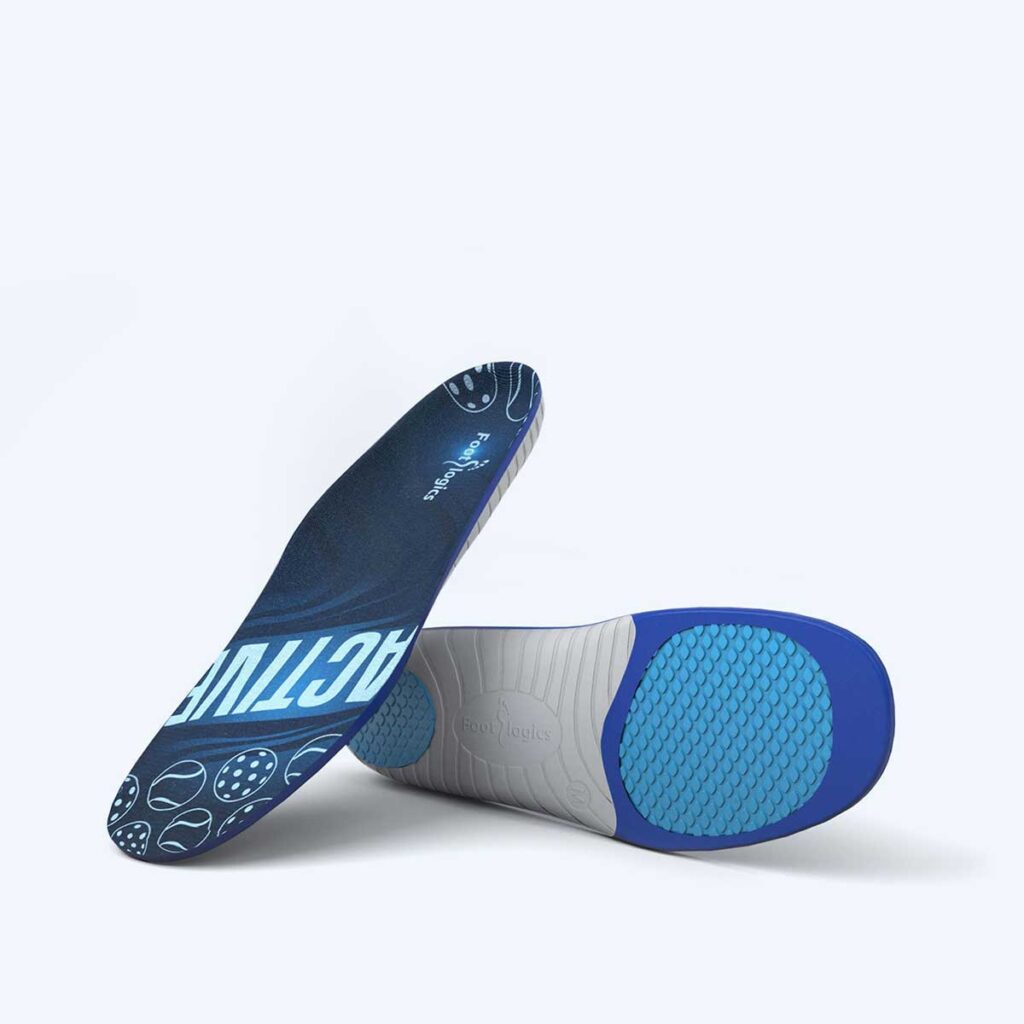
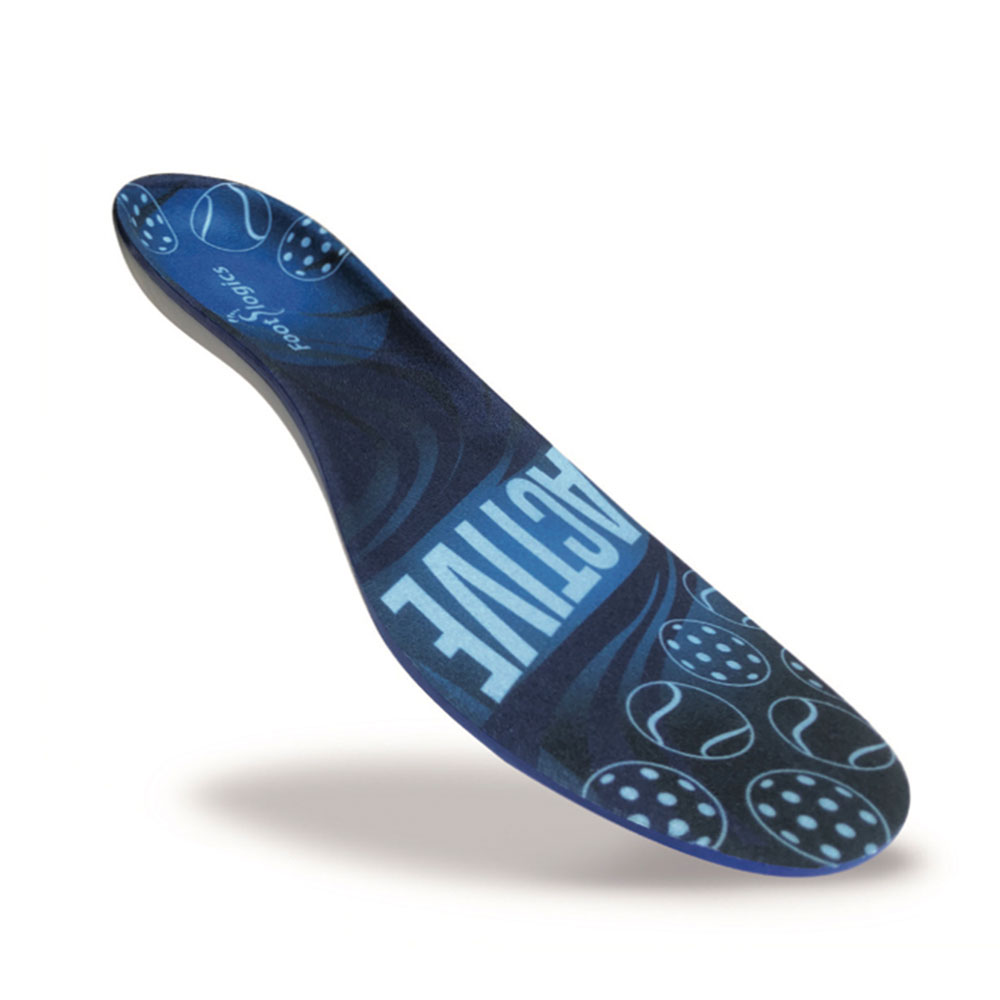
Footlogics ACTIVE
CAD $39.95
Pickleball has taken off across the country, but all that quick footwork at the kitchen line, the darting lateral shuffles, sudden stops, and split-second direction changes, puts real strain on your feet, ankles, knees, and lower back. Whether you’re out for a casual game with friends at your local courts or battling through a tournament bracket, your feet are handling forces that the stock liners in most shoes were never built for. The right insoles can help boost endurance by giving your feet better support and stability throughout a match, so you can stay comfortable and play at your best for longer.
Footlogics Pickleball orthotics:
MEDICAL-GRADE SUPPORT FROM EVERY ANGLE
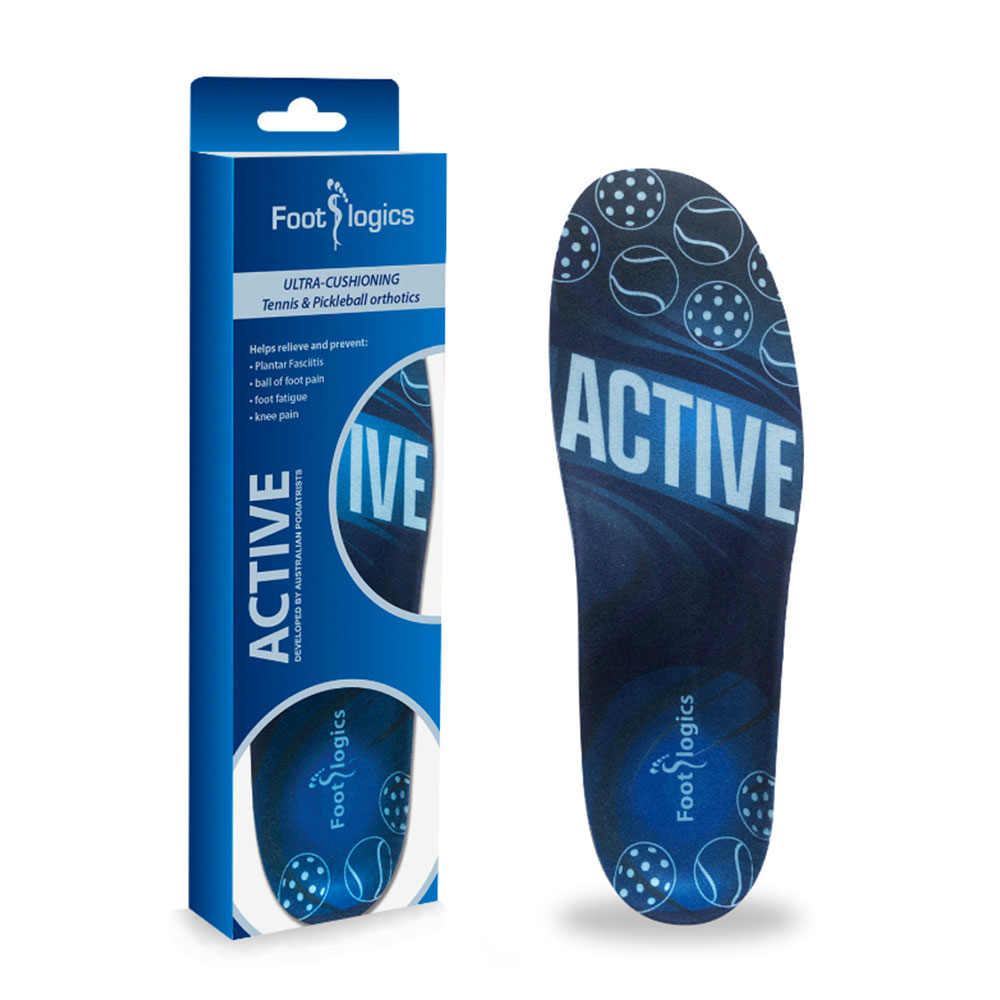
Footlogics 'Active' orthotic insoles for Pickleball
Footlogics specializes in premium, medical-grade over-the-counter orthotics. Our approach fills the gap between costly custom orthotics and generic insoles that just don’t hold up.
- Footlogics ‘Active’ insoles feature a podiatrist-designed profile with semi-rigid arch support, a deep heel cup, and contoured medial and lateral flanges that add side-to-side control — built specifically to handle the biomechanical demands of court sports like pickleball.
- These orthotics significantly ease strain on the plantar fascia, helping relieve and prevent heel pain while reducing arch fatigue during long matches or tournament days.
- Built-in features tackle forefoot issues too: metatarsal dome positioning and optional extra forefoot cushioning help take pressure off the balls of the feet, giving players dealing with metatarsalgia or early-stage Morton’s neuroma a more comfortable way to stay in the game.
- The stability and control Footlogics offers stands apart from flat factory foam liners or pure memory foam inserts, which tend to compress quickly and lose their support. Our medical-grade materials are built to hold their shape and performance over the long haul.
- One pair of Footlogics insoles can move seamlessly between your pickleball shoes, everyday trainers, and work shoes — keeping your foot alignment supported all day, not just on the court. That kind of consistent support can also help speed up recovery between play sessions.
- We back it all up with customer-friendly policies: free Canadian shipping, a 30-day money-back guarantee, and easy, free returns.
Do you need special insoles for Pickleball?
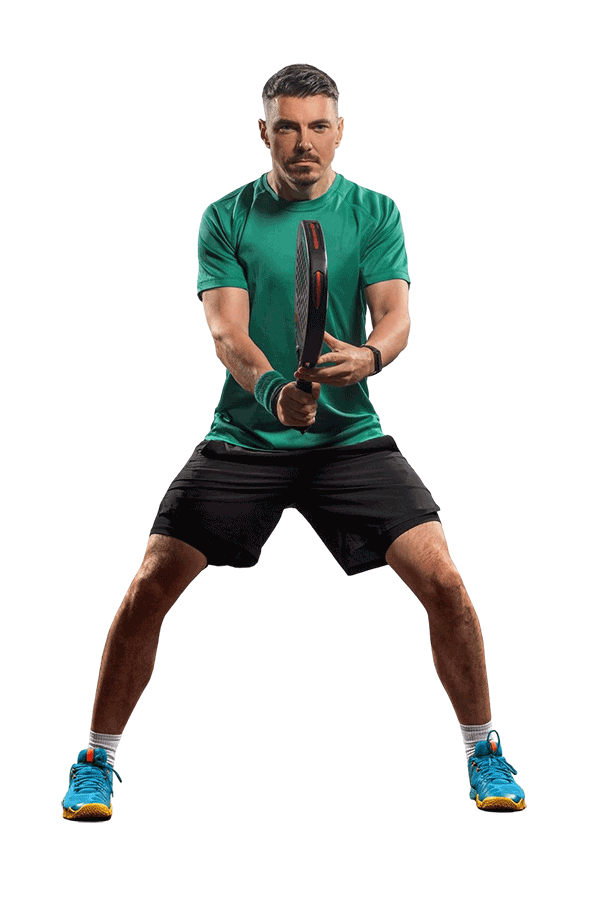
The short answer is yes, especially if pickleball has become a regular part of your week. The sport’s constant stop-start rhythm, combined with hard court surfaces, creates layered impact forces that basic cushioning just isn’t built to absorb.
- If you’re playing two or more times a week, dedicated pickleball insoles with firm arch support, a proper heel cup, and forefoot cushioning are strongly worth the investment. Between the lateral movements, sharp pivots, and unforgiving acrylic or concrete courts, a flat foam liner simply won’t cut it.
- Footlogics orthotic insoles are developed by podiatrists and physiotherapists to support both the medial (inner arch) and lateral (outer edge) motion of the foot. That dual-sided support helps head off common issues like plantar fasciitis, metatarsalgia, and Morton’s neuroma before they force you off the court.
- A quality orthotic insole typically runs around $40 CAD — a small price compared to months of physiotherapy sessions, ongoing treatment, or cortisone injections for a chronic foot condition. When it comes to foot health, prevention beats treatment every time.
- Below, we’ll break down exactly what to look for in pickleball insoles, how the right pair improves both comfort and on-court performance, and how Footlogics fits into a complete approach to injury prevention.
Why Pickleball is so hard on your feet and joints
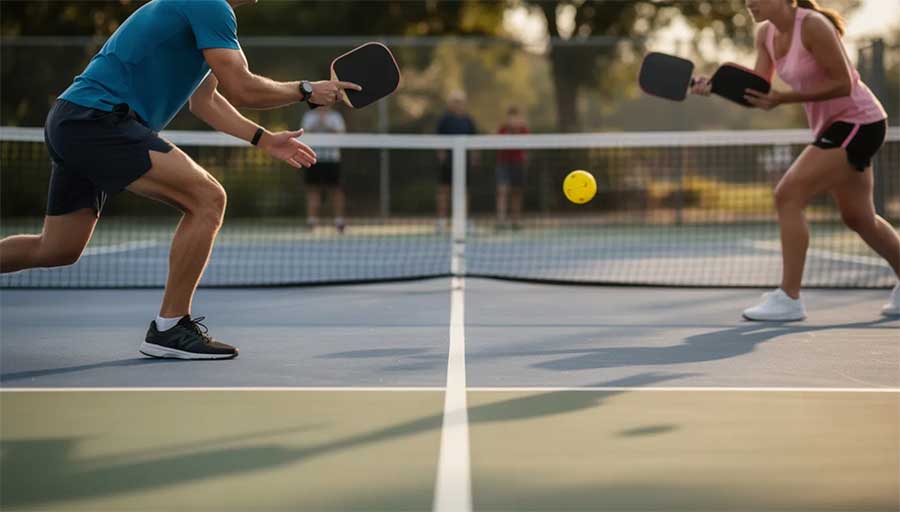
Step onto any pickleball court and it doesn’t take long to feel why this sport is so tough on your lower body. A typical point can involve a quick dash toward the non-volley zone, a sudden stop right at the kitchen line, an explosive pivot to chase down a wide shot, and a deep lunge to save the point — all happening on hard acrylic, concrete, or gym flooring that offers no give whatsoever.
- Constant lateral movement puts unique stress on the medial and lateral arches, the peroneal tendons, and the ankle ligaments — stress that forward-running sports rarely produce. Every shuffle step and crossover loads these structures from angles they aren’t always ready for.
- Short, repeated sprints and split steps send high-impact forces straight through the heel and forefoot. This is especially tough on indoor courts built over concrete, where shock travels directly into your bones and joints with every landing.
- Overuse injuries are common in pickleball players, including plantar fasciitis (sharp heel pain from an inflamed fascia), Achilles tendonitis (pain at the back of the heel), metatarsalgia (a burning sensation under the ball of the foot), Morton’s neuroma (nerve irritation that causes tingling in the toes), patellofemoral knee pain, and lower back strain. These conditions rarely appear overnight — they build up gradually from repeated biomechanical stress.
- The factory insoles that come standard in most court shoes typically offer very little arch control or shock absorption. Most are just flat foam liners that break down within weeks, which can actually speed up the development of foot problems rather than prevent them.
- A solid warm-up routine and supportive, well-structured insoles both play a role in preventing long-term injury — but neither works well on its own. It’s the combination of the two that keeps your feet healthy season after season, whether you’re playing outdoors in summer or on indoor courts through the Canadian winter.
Key Features to look for in a good Pickleball insole
Finding the right pickleball insole means looking past the marketing copy and focusing on what’s actually inside the insole. Use this checklist to evaluate any product on the market, paying close attention to medial and lateral support along with durability for frequent play.
- Structure beats soft cushioning. Look for a moderate-to-firm arch profile that works for both low and medium arches while helping keep over-pronation in check. Soft memory foam feels great on first wear but compresses fast, letting the foot collapse over time.
- Medial support (along the inside of the foot) helps prevent the arch from collapsing inward during push-off — key for reducing tension on the plantar fascia and easing stress on the knees during pickleball’s explosive movements.
- Lateral support (along the outside of the foot) helps resist ankle rolling during shuffles, lunges, and sharp direction changes. A quality insole includes a supportive lateral wall that works together with your shoe’s upper to add stability during aggressive side-to-side play.
- A deep heel cup keeps your heel’s natural fat pad centred beneath the heel bone, improving landing stability and supporting alignment all the way up through the ankle, knee, and hip. This feature is well-documented for boosting shock absorption using the body’s own natural cushioning.
- Forefoot cushioning and metatarsal support protect the ball of the foot during toe-off. If you’re prone to metatarsalgia or Morton’s neuroma, prioritize insoles with a metatarsal pad or dome that shifts pressure away from overloaded areas.
- Material quality drives how long support actually lasts. A well-built insole layers a cushioned top over a firmer, supportive base. Constructions combining a firm, medical-grade EVA or PU shell with a shock-absorbing top layer tend to outlast pure foam designs, which often flatten out within weeks of regular play.
- Textured surfaces help keep the foot from sliding around inside the shoe during quick movements.
- The strongest pickleball insoles pair rigid arch support with high-impact cushioning to handle everything the sport throws at your feet.
- Breathability matters too. Moisture-wicking covers, perforations, or built-in airflow channels help keep feet cooler and reduce sweat buildup and blister risk during long matches — especially useful during hot summer tournaments.
- Fit flexibility matters. Trim-to-fit designs and multiple thickness options help insoles fit snugly into pickleball shoes, tennis shoes, or cross-trainers without crowding the toes. Thicker insoles offer more cushioning and support but may need a slightly roomier shoe to fit comfortably — always double-check sizing compatibility before buying
.
Insole Materials and Construction: What sets Quality Insoles apart
When it comes to playing your best pickleball, what’s happening inside your shoe can matter just as much as the shoe itself. The gap between an average insole and a truly great one often comes down to materials and craftsmanship. Pickleball is hard on the feet, the constant sharp turns, sudden stops, and hours spent on unforgiving hard courts put more demand on your insoles than most everyday footwear was ever designed to handle.
Well-made insoles use advanced, breathable materials that actively draw moisture away from the foot, keeping things comfortable and healthy even during the sweatiest matches. That matters a lot in court shoes, where trapped heat and moisture can lead to discomfort, blisters, or even fungal issues over time. Choosing insoles with moisture-managing top layers helps keep your feet dry and cool, whether you’re playing an outdoor summer tournament or grinding through games at an indoor club.
Building a genuinely good insole takes more than just piling on foam. One feature worth prioritizing is a deep heel cup, it cradles the heel and adds stability with every step, pivot, and stop. Beyond keeping your feet properly aligned, this design also improves shock absorption, which helps lower the risk of heel pain and can prevent conditions like plantar fasciitis from developing in the first place. Top-tier insoles also include firm arch support, giving your feet the structural backbone they need to stay aligned and resist fatigue over long sessions on the court.
For players who feel pressure or discomfort near the front of the foot, insoles with built-in metatarsal pads offer targeted cushioning right where it’s needed. These pads help spread pressure more evenly across the ball of the foot and toes, easing strain on the metatarsals and lowering injury risk. Combined with the rest of the insole’s cushioning, this setup helps absorb shock, return energy with each step, and keep your feet, ankles, and knees from wearing down over a long match.
Higher-performance insoles are increasingly built with newer materials like carbon fibre, strong and supportive without adding bulk. These materials are lab-tested for durability and stability, meaning your insoles hold their shape and keep performing match after match. The difference in comfort and performance is often noticeable right away, letting you focus on your game instead of your feet.
Yes, quality insoles usually cost more than the basic kind, but for serious players, they’re worth it. Healthier feet, less discomfort, and a lower injury risk pay off over time, and with proper care, a good pair can last multiple seasons of regular play. When choosing insoles, pay attention to thickness and layering to make sure they suit your shoe size and style, so they fit snugly without pinching your toes or throwing off your balance.
At the end of the day, the right pickleball insoles are about more than comfort, they’re about protecting your feet, elevating your game, and getting the most out of every match. With the right materials and structure underfoot, you’ll likely notice the difference from your very first game. Don’t let sore or tired feet hold your game back. Choose insoles built specifically for the demands of pickleball, and get the support, stability, and energy return you need to keep playing your best, all season long.
Medial vs Lateral Support: Why both matter in Pickleball
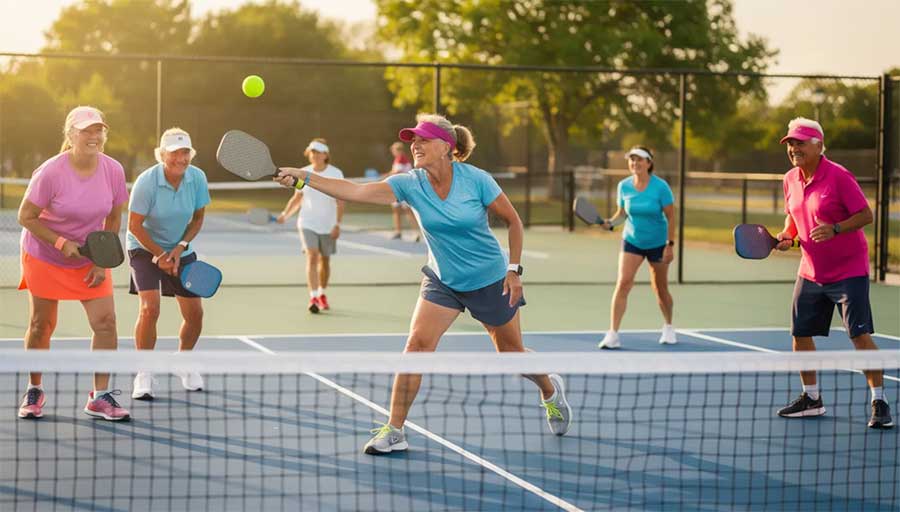
Pickleball is nothing like jogging or a straight run — it’s a constant back-and-forth of side steps, diagonal lunges, and quick direction changes. While forces in running travel mostly in one plane, pickleball asks your feet to stabilize against forces coming from multiple directions all at once. That’s why effective support needs to work in every direction, not just front-to-back.
- Medial support helps control inward roll (over-pronation) and eases excess strain on the plantar fascia, the tibialis posterior tendon, and the inner knee. When the arch caves inward during push-off, it sets off a chain reaction of stress that travels up through the lower leg into the knees and hips.
- A supportive lateral wall built into the insole works alongside your shoe’s upper to help resist the ankle rolling outward during fast lateral shuffles — a real concern when you’re sprinting sideways to chase down a wide shot.
- When medial and lateral support are properly balanced, the subtalar joint stays closer to neutral, which improves power transfer and cuts down on wasted energy. Quality pickleball insoles help you stay agile and comfortable point after point, even deep into a tough match. Put simply: every bit of foot collapse is energy that isn’t going into your next shot.
- Insoles that are purely soft and flat might feel plush at first, but they let the foot collapse under load — a real risk on courts that are worn, damp, or otherwise less than ideal underfoot.
- Picture your heel resting in a stable cradle rather than sitting flat on a pad. A deep heel cup holds the heel’s natural fatty tissue centred beneath the heel bone, where it can provide the most cushioning. It’s a simple design principle, but it makes a real difference for stability and shock absorption.
Common Pickleball Foot Problems and How Insoles Help
A lot of players brush off the early warning signs — a sore heel first thing in the morning, a burning sensation under the ball of the foot, tingling toes — right up until the pain forces them off the court entirely. Knowing what these conditions look like helps you catch the moment prevention turns into treatment.
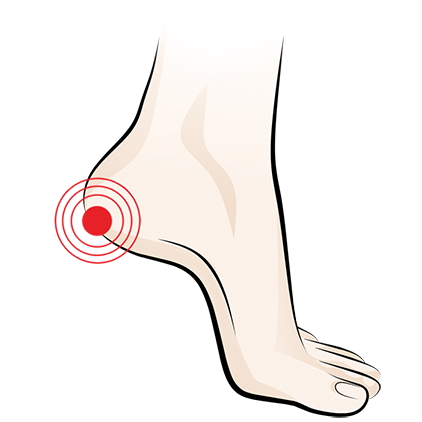
- Plantar fasciitis shows up as sharp heel pain with those first steps in the morning — it may ease up once you’re moving, but tends to return after resting. Flat feet, high arches, tight calves, and a sudden jump in playing frequency all raise the risk. Combining arch support with heel cushioning reduces both traction and impact on the fascia, with research pointing to as much as a 34% reduction in strain when proper orthotic support is used.
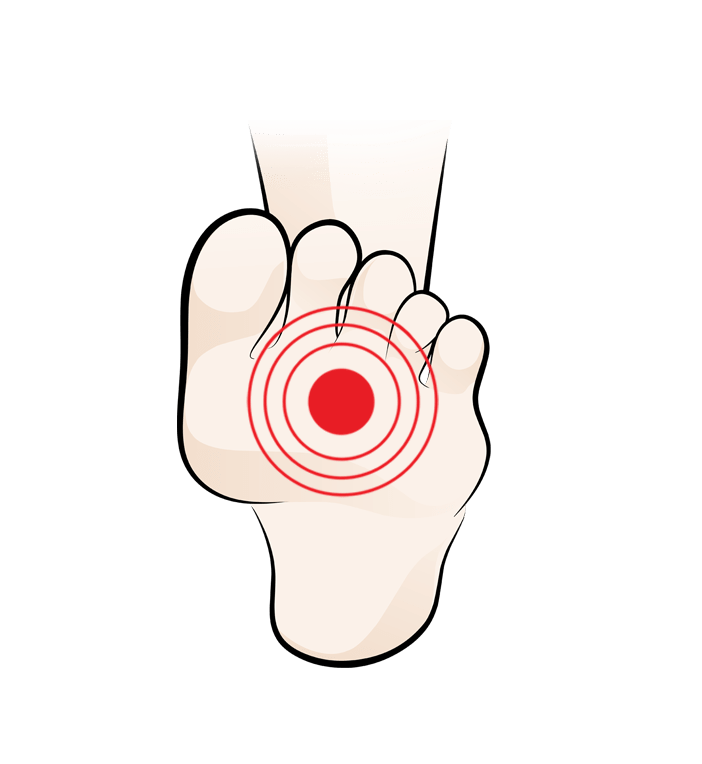
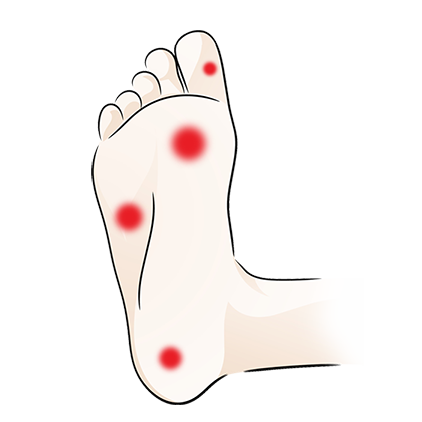
- Metatarsalgia causes a burning or aching feeling under the ball of the foot, especially during push-off and toe-off. Metatarsal support or added forefoot cushioning helps shift pressure away from overloaded areas, spreading the load out and reducing localized stress.
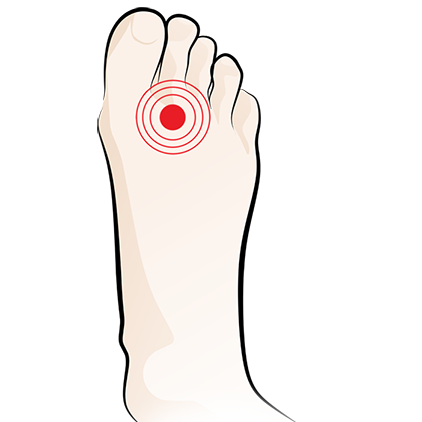
- Morton’s neuroma produces tingling or sharp, electric-like pain between the third and fourth toes. Insoles built with a metatarsal dome can gently separate the toe bones to ease nerve compression — often enough to avoid the need for cortisone injections or a surgical consult altogether.
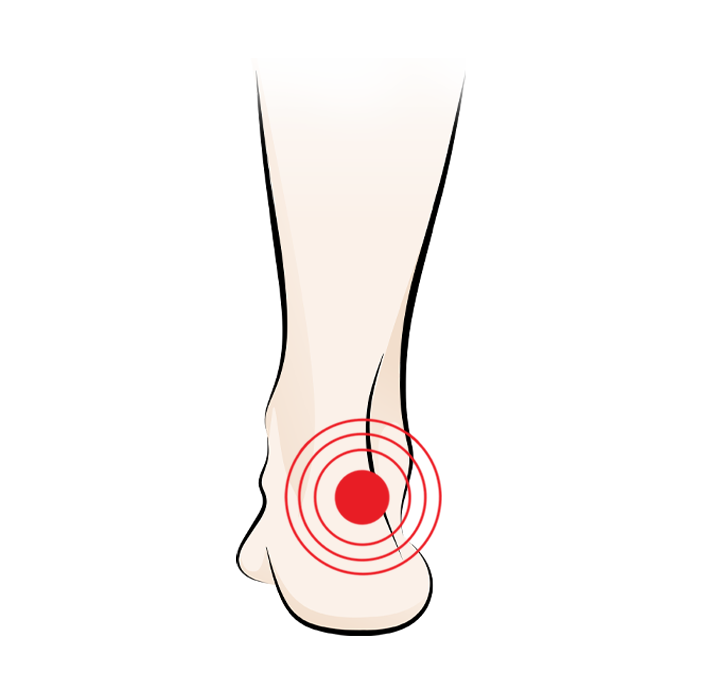
- Achilles tendonitis and calf strain are closely tied to tight calves, inadequate heel support, and repeated short sprints. A deep, stable heel cup paired with proper alignment helps reduce tension on the tendon by keeping the foot in a more neutral position as it loads with each step.
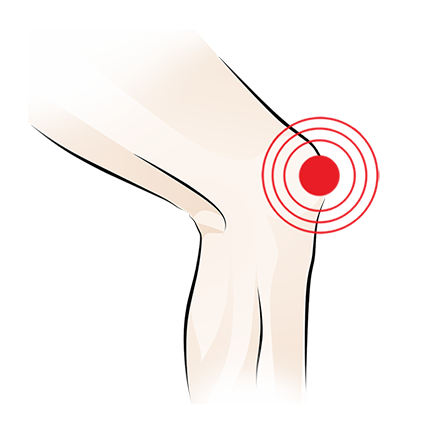
- Knock-on effects in the knees and lower back can develop when over-pronation triggers internal tibial rotation and pelvic tilt. Foot problems rarely stay contained — this kind of biomechanical chain reaction can create pain and stress throughout the body. Quality orthotics help bring the whole kinetic chain back toward neutral alignment.
Each of these conditions tends to respond well to a combination of proper insole support, a consistent warm-up and stretching routine, and appropriate rest when symptoms flare up.
Warm-Up, Foot Strength & Technique: Insoles Are One Part of the System
Even the best orthotic can only do so much if you’re stepping onto the court cold, skipping your warm-up, or playing in shoes that are past their prime. Injury prevention works best as a system — each piece supports the others.
- A quick 5-minute warm-up before you play goes a long way in preparing your tissues for what’s ahead: start with a brisk walk or light jog around the court, then move into dynamic calf raises, ankle circles in both directions, gentle walking lunges, and short lateral shuffles. This gets blood flowing and readies your muscles for the explosive movement pickleball demands.
- Stretching the calves and plantar fascia regularly, both before and after play, meaningfully lowers your risk of that nagging morning heel pain. Wall calf stretches (both straight-leg and bent-knee variations) and towel stretches under the toes target the exact tissues pickleball stresses most.
- Simple foot-strengthening exercises, done a couple of times a week, help build the intrinsic muscle support your feet rely on: towel curls with your toes, picking up marbles, and single-leg balance drills (first eyes open, then closed) all improve proprioception and help you adapt to uneven or unpredictable court surfaces.
- Give your pickleball shoes a check every 6 to 9 months for wear in the outsole and upper. A worn-out shoe undercuts even the best insole, no matter how supportive it is. Watch for visible tread wear, a collapsed heel counter, or thinning at your usual pivot points.
- Technique matters just as much as gear. Bending at the knees and hips instead of the waist, staying light on your feet, and absorbing impact through controlled movement all help take pressure off your arches and heels.
- Insoles, warm-ups, strength work, and proper footwear all work together for the best long-term protection and performance — each piece reinforcing the others as part of one complete injury prevention system.
Cost of Orthotic Insoles vs Cost of Injury: Prevention Is Better Than Cure
| Prevention | Treatment |
|---|---|
| Quality orthotic insoles: $40 | Podiatry visits (3 sessions): $200- $300 |
| One-time purchase, 12-18 months lifespan | Physical therapy (8 sessions): $400 – $1,200 |
| No downtime from play | Custom orthotics: $300 – $600 |
| Use across multiple shoes | Cortisone injections: $100 – $300 per injection |
| Imaging (X-ray, MRI): $200 – $1,000 | |
| Surgical consultation: $200 – $500 | |
| Lost playing time: weeks to months |
- Treating plantar fasciitis typically means multiple visits to a podiatrist or physiotherapist over several months, possibly custom orthotics or an immobilization boot, and a significant chunk of time away from activity. By the time it resolves, total costs can easily climb into the hundreds of dollars, even with extended health coverage helping offset some of it.
- Managing metatarsalgia or Morton’s neuroma often involves imaging to rule out a stress fracture, cortisone injections to manage pain, and possibly a surgical consultation if conservative treatment doesn’t work. The time spent off the court only adds to the financial strain.
- The indirect costs pile up too: missed tournaments, wasted club membership fees, a harder time staying active for overall health, and the frustration of being sidelined from a sport you genuinely enjoy.
- Footlogics offers an affordable, medical-grade alternative to pricey custom orthotics for many of the biomechanical issues players run into, delivering professional-calibre support without the professional-level price tag.
- Backed by a 30-day money-back guarantee and built to last when rotated between pairs of shoes, the actual cost per game becomes almost negligible. A single pair that lasts 12 months of playing twice a week works out to less than $1 CAD per session.
- The takeaway is simple: prevention beats cure. Addressing foot pain early, before it becomes chronic, saves money, protects your time on the court, and helps safeguard your joint health for the long run.
Care, Maintenance & When to Replace Your Pickleball Insoles
Taking good care of your orthotics helps them last longer and stay supportive, but no insole lasts forever, and eventually all of them compress and need replacing. A little proper care goes a long way toward stretching out that lifespan and getting the most out of your investment.
- After a sweaty session, pull your insoles out of your shoes and let them air-dry somewhere well-ventilated. Steer clear of direct heat sources like radiators or hair dryers, which can warp the supportive layers and break down the materials over time.
- When cleaning is needed, gently wipe the top cover with mild soap and water, no need to soak the whole insole. Let it dry completely before putting it back in your shoe, and avoid harsh chemicals, which can degrade adhesives and foam layers.
Signs it’s time for a new pair:
- Visible compression marks where your arch sits
- The arch support has lost its spring or rebound
- The top cover fabric is worn, cracked, or peeling
- Foot or knee pain that had cleared up starts coming back
- The insole no longer lies flat and has developed permanent curves
For players hitting the court twice a week, most pickleball insoles hold up well for roughly 9 to 12 months before needing replacement. Daily players, or those carrying more body weight, may need to replace theirs sooner, while occasional players can often stretch that timeline further.
It’s worth having at least two pairs of Footlogics insoles on hand, one for pickleball shoes, one for everyday footwear, so you get consistent support throughout the day, and each pair gets a chance to fully dry out between uses, which helps them last longer overall.
Summary: Play Longer, Move Better, Hurt Less
Long-term enjoyment of pickleball really comes down to three pillars: a proper warm-up and stretching routine, solid medial and lateral control from a quality orthotic insole, and staying on top of shoe maintenance. Neglect any one of these, and the whole system starts to weaken.
- Footlogics insoles offer a simple, affordable way to boost comfort, stability, and performance for pickleball players of any age or skill level. Our podiatrist-designed products give serious players the support they need, without the custom-orthotic price tag.
- Don’t wait until pain forces your hand. Getting ahead of it now helps protect against plantar fasciitis, metatarsalgia, Morton’s neuroma, and the ripple effect of knee, hip, and back issues that can follow when your feet aren’t properly supported.
- Ready to give your feet, and your game, the support they deserve? Browse the full Footlogics range to find the sport or comfort insole that matches your arch type and fits your shoes. With free Canadian shipping and our 30-day money-back guarantee, you can put them to the test under real match conditions, completely risk-free. Your feet, and your future pickleball games, will thank you.
Frequently asked questions about Pickleball insoles
Here are 5 commonly asked questions about pickleball insoles, with short answers:
1. Do I really need insoles for pickleball?
Yes—pickleball involves quick lateral movements, so good insoles help improve stability, reduce fatigue, and lower the risk of foot pain or injury.
2. What features should I look for in pickleball insoles?
Look for strong arch support, heel cushioning, shock absorption, and a snug fit to prevent slipping during side-to-side movements.
3. Can insoles help with plantar fasciitis when playing pickleball?
Absolutely—supportive insoles can relieve strain on the plantar fascia and reduce heel pain, especially during longer matches.
4. Are running shoe insoles suitable for pickleball?
Not ideal—running insoles are designed for forward motion, while pickleball requires lateral support and stability for quick directional changes.
5. How often should I replace my pickleball insoles?
Typically every 12-18 months, depending on how often you play. Replace them sooner if you play 3-4 times per week or more
what customer say..
REAL RELIEF. REAL RESULTS.
Proven arch support and relief. Trusted by millions.
Over 2 Million Pairs Sold
WHAT MAKES FOOTLOGICS DIFFERENT?
Footlogics orthotics are designed to deliver medical-grade support and relief — without the cost or wait time of custom orthotics.

TGA-Approved Medical Device
Meets strict medical standards

Developed by Podiatrists
Created for real foot conditions, not generic comfort

Trusted by Health Professionals
Recommended by doctors and physical therapists worldwide

Over 2 Million Pairs Sold
Proven support for everyday life, work, and sport

Available in 20+ countries
Trusted by customers across the globe

Australia’s #1 Orthotic Insole
Leading podiatrist-designed support brand
SHOP BY FOOT COMPLAINT
common aches & pains
Learn more about different foot conditions and how Footlogics orthotics can help..