
Orthotic insoles
for Achilles Tendonitis
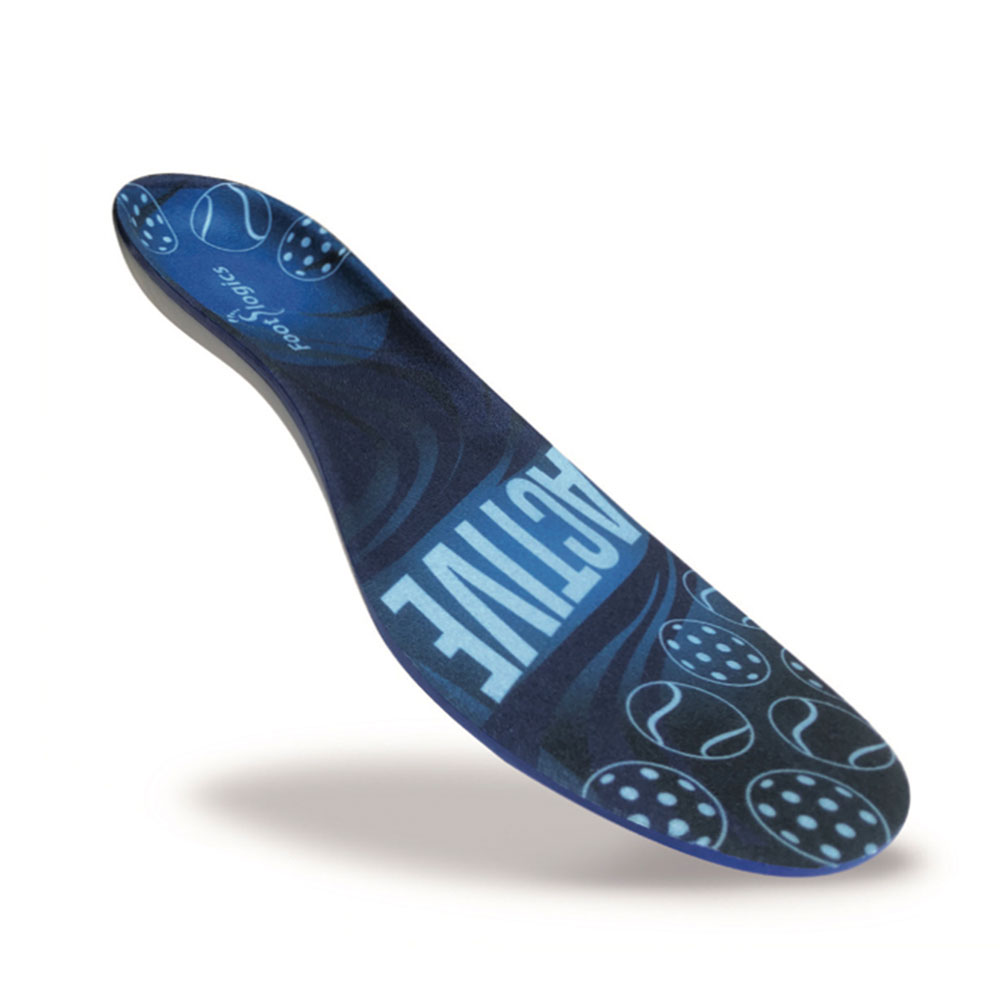
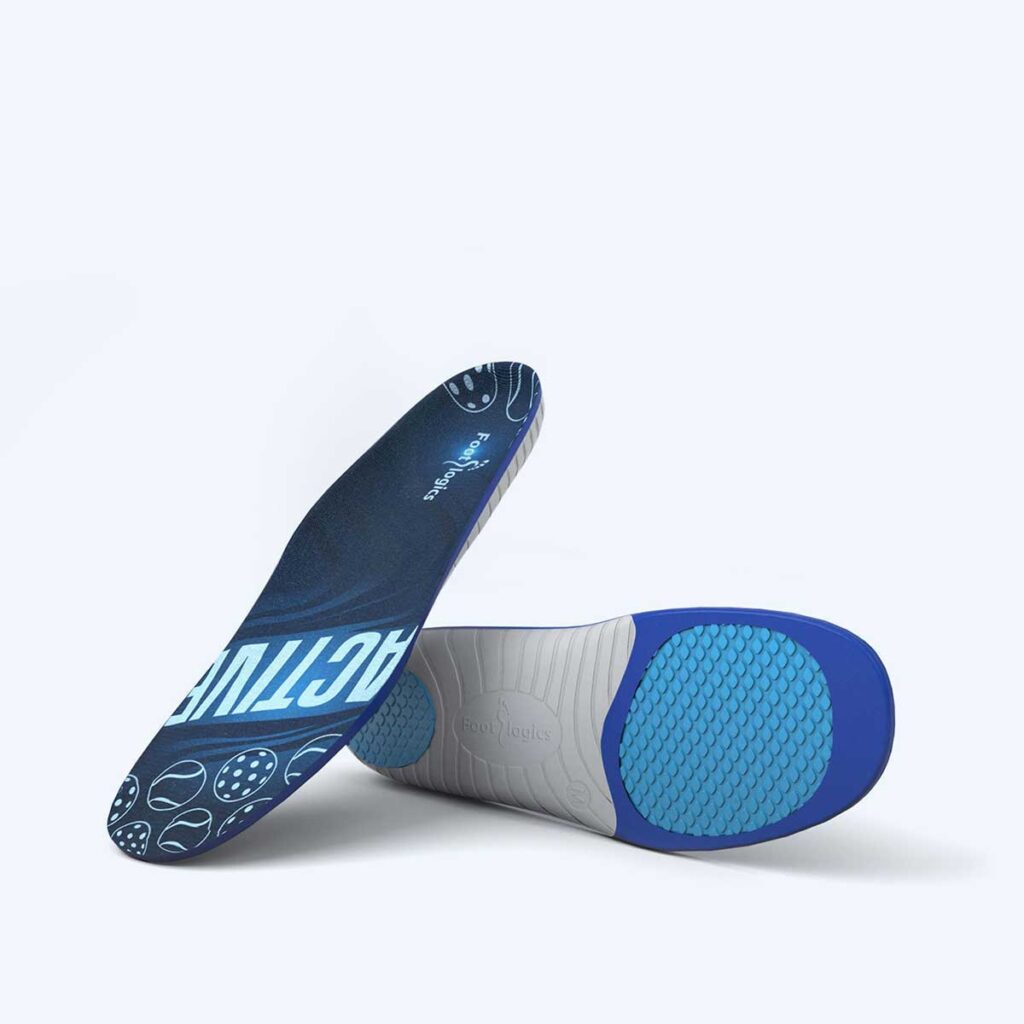
Footlogics ACTIVE
CAD $39.95
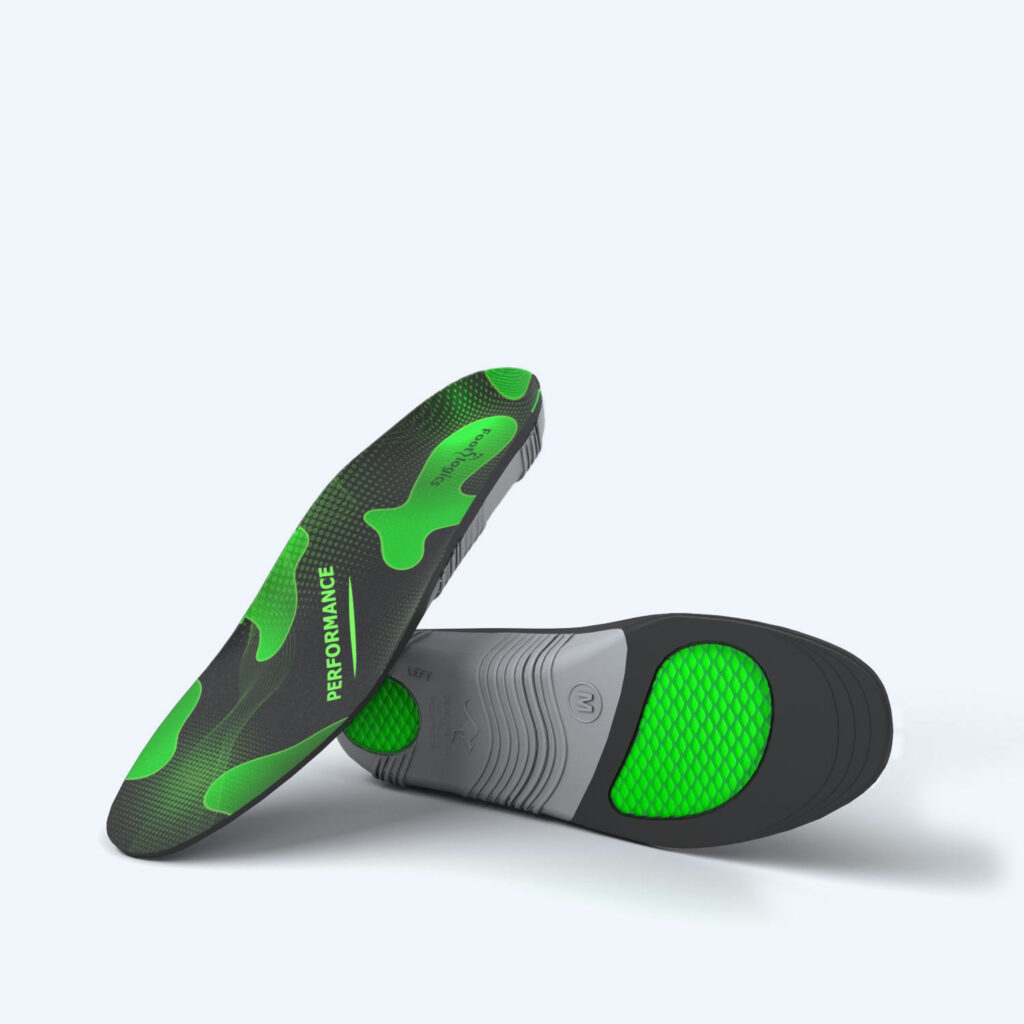
Footlogics PERFORMANCE
CAD $39.95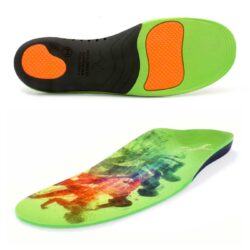
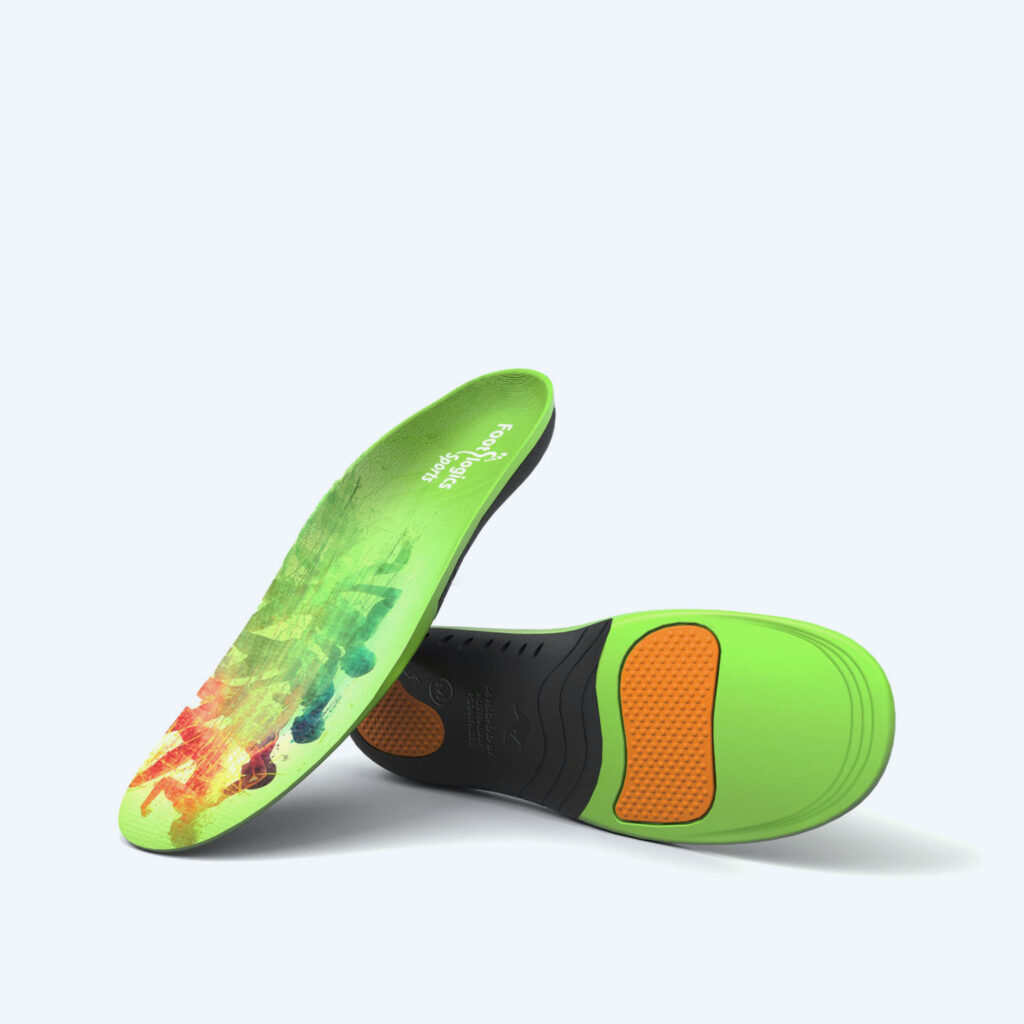
Footlogics SPORTS
CAD $39.95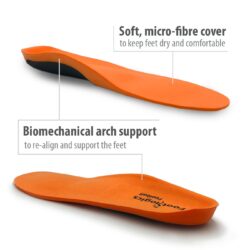
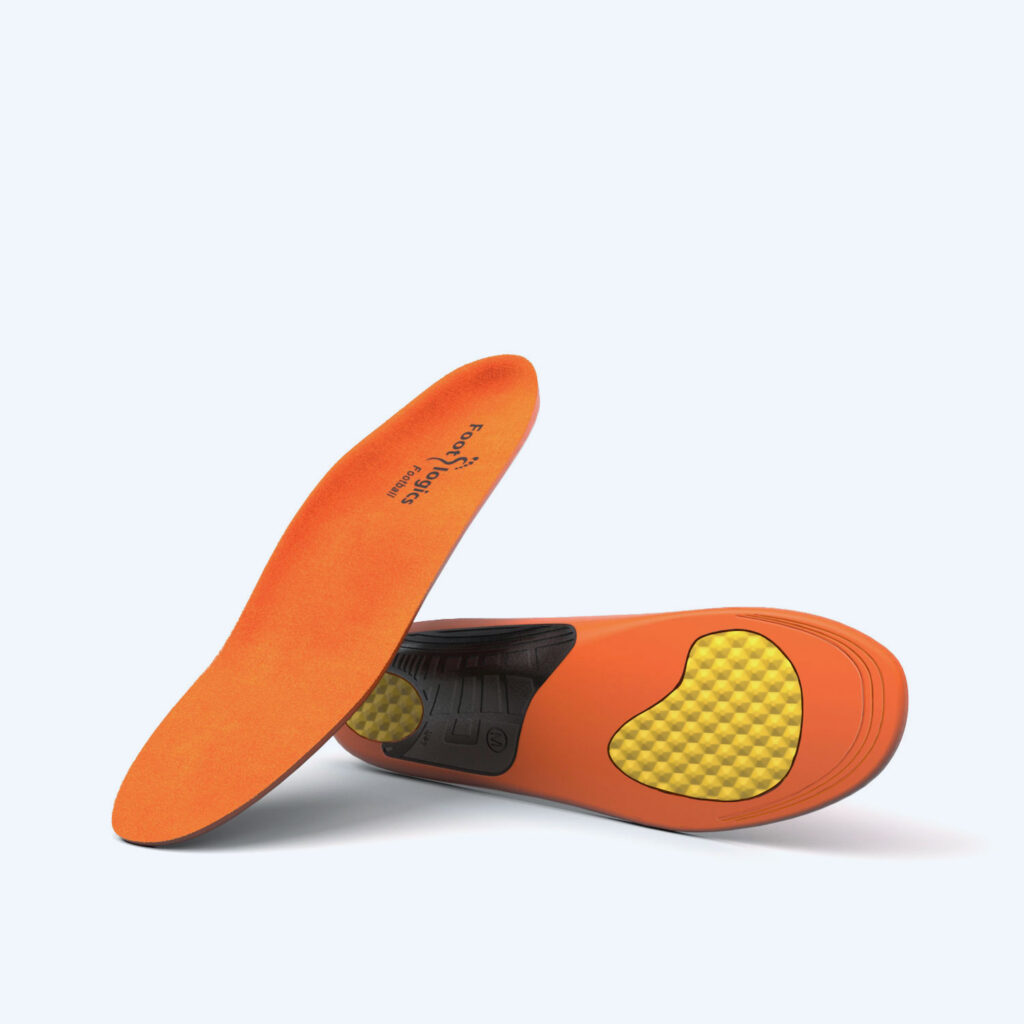
Footlogics FOOTBALL
CAD $36.95
Achilles Tendonitis Insoles: Relief and Support for Tendon Pain
Achilles tendonitis insoles are specialised orthotic inserts designed to reduce strain and compression on the Achilles tendon, provide relief from heel and tendon pain, and support recovery. Whether you’re dealing with insertional or midportion achilles tendinopathy, the right insole can lower tendon load, correct faulty foot mechanics, and help you return to usual activities faster. This guide covers how different insole types work, what features matter most, and how to choose the best option for your condition.
Types of Insoles for Achilles Tendonitis
Heel Lifts
Heel lifts raise the heel relative to the forefoot, reducing the amount of ankle dorsiflexion needed during walking and standing. Reducing tension by lifting the heel alleviates pain during walking and standing. This makes them especially effective for insertional achilles tendinitis, where compression of the tendon against the calcaneus drives symptoms. Clinical trials typically use lifts of 10–12 mm for insertional cases.
Arch Support Orthotic Insoles
Firm arch support helps correct improper foot mechanics that strain the Achilles tendon – particularly excessive pronation. Good arch support insoles reduce strain on the achilles tendon and distribute body weight evenly across the foot surface, making them ideal for long-term management and prevention of recurrence.
Combination Support Insoles
The most comprehensive option combines heel lifting with contoured arch support and rearfoot cushioning. These insoles address both tensile and compressive forces simultaneously, making them suitable for active individuals, runners, and anyone needing broad-spectrum support during sports or daily wear.
What to look for in Achilles Tendonitis insoles
Knowing which features actually make a difference helps you avoid generic insoles that won’t provide relief.
Heel Cushioning and Lift
A graduated heel lift of 6–12 mm shortens the tendon, reducing peak stretch and compression forces during every step. Insoles with heel cups help reduce compressive forces on the tendon, while cushioned materials provide shock absorption for the heel, protecting the tendon from impact during daily activities.
Arch Support Design
Proper arch support reduces strain on the posterior chain including the achilles tendon. Improving foot mechanics decreases the twisting strain on the lower leg and Achilles tendon. Look for insoles with a deep heel cup and firm medial arch contouring – these stabilize the hindfoot and prevent the internal rotation that comes with overpronation.
Material Quality and Durability
Medical grade support requires materials that maintain their shape under repeated load. Medical-grade EVA or TPU compounds resist compression meltdown far longer than soft foam alternatives. A breathable, moisture-wicking top cover matters during recovery when you may wear insoles 8–12 hours per day.
How to Choose the Right Achilles Tendonitis orthotic inserts
Selecting the right insole depends on a few practical criteria:
• Severity and type of condition – Acute achilles pain and insertional tendinopathy benefit most from higher heel lifts (10–12 mm). Chronic mid-portion cases may need moderate lift with strong arch support.
• Activity level – Runners and athletes should look at sport-specific orthotic insoles designed for higher impact forces. Those on their feet at work may prefer options built for work boots and shoes.
• Foot type – If you have feet flat or high arches, your biomechanical correction needs differ. Excessive foot pronation can trigger or worsen achilles tendonitis, so flat-footed individuals need firmer arch support.
• Shoe compatibility – Ensure enough depth in the heel counter. Athletic shoes and walking shoes accommodate insoles well; slim dress shoes may limit options. Transitioning into supportive shoes can help manage Achilles tendon pain.
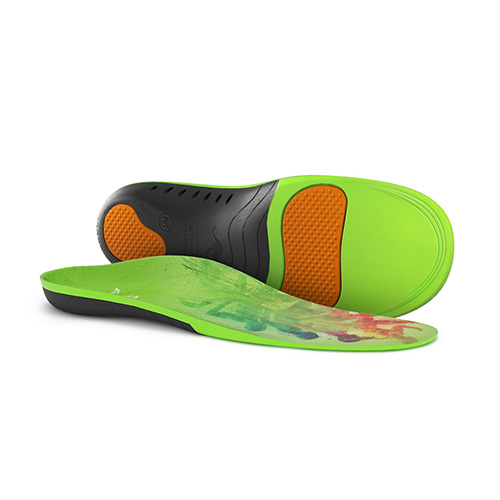
Footlogics Sports
A premium quality orthotic insoles that helps improve performance by providing better support, realignment and comfort. The insert features a soft P.U. (polyurethane) inner layer and a hard T.P.U. “anti-pronation” outer shell. The sleek design combines comfort and stability, making it perfect for athletes to treat or prevent common sports injuries including Achilles Tendonitis, Shin Splints and Runner’s Knee.
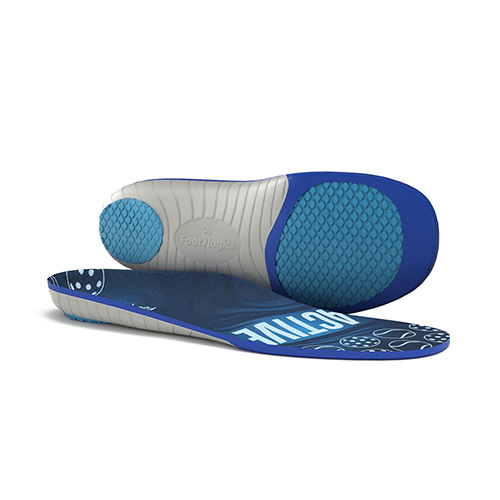
Footlogics Active
The latest addition to the Footlogics range is the ‘Active’ orthotic which was recently developed by our sports podiatrists in conjunction with a professional tennis player to treat and prevent common foot complaints associated with tennis and pickleball. The premium insole has a nylon shell for lateral stability with added cushioning in the heel and forefoot. It has worked very well for Plantar Fasciitis, Achilles Tendonitis and ball of foot pain.
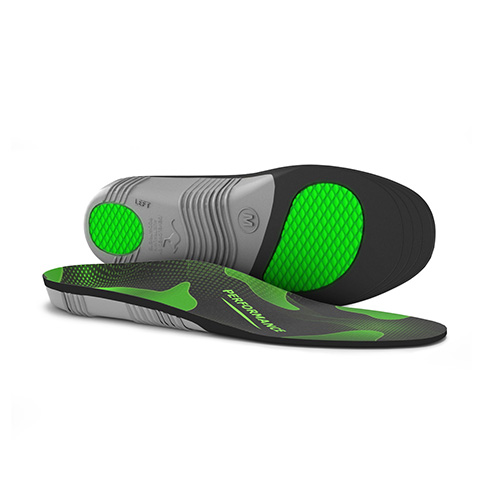
Footlogics Performance
Designed for people with high arches as well as ’supinators’ (rolling outwards of the foot and ankle), this insoles features a high arch support volume and high levels of of cushioning. A lateral wedge can be applied to prevent excess rolling out of the foot.
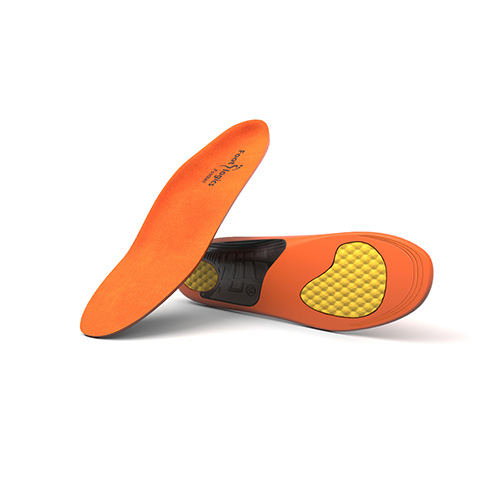
Footlogics Football
These orthotics are slimmer and thinner compared to the orthotics described above and fit perfectly into soccer boots – even hockey boots. Achilles Tendonitis is very common in soccer players, especially in younger players (around 12-14 years old) – the medical term is ‘Severs Disease’.
What is Achilles Tendonitis?
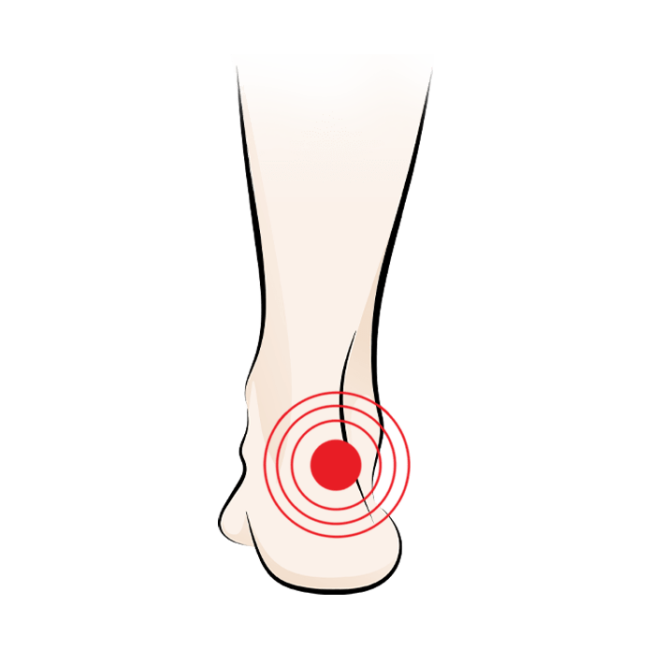
Achilles tendonitis is inflammation of the Achilles tendon – the thick band connecting the calf muscles (gastrocnemius and soleus) to the heel bone. Symptoms include pain, stiffness, and swelling along the tendon, often worst first thing in the morning or after periods of rest. Modern clinical understanding recognizes most chronic cases involve degeneration and failed healing cycles – disorganized collagen fibers, micro tearing, and vascular changes – rather than pure inflammation, which is why the broader term achilles tendinopathy is increasingly used.
Two main types exist. Midportion tendinopathy affects the middle section of the tendon, roughly 2–7 cm above its insertion, and accounts for about 55–65% of cases. Insertional tendinopathy involves the first 2 cm where the tendon attaches to the calcaneus, often with bone involvement or Haglund’s deformity. Insertional cases tend to be more painful, more disabling, and slower to heal. Achilles tendonitis often occurs due to repetitive strain injuries, with a lifetime incidence in endurance runners of up to 52%. The Achilles tendon can support weights up to 12 times body mass, but when overloaded repeatedly, even this remarkably strong structure breaks down. Left untreated, symptoms can persist for 5–10 years.
Causes and Risk Factors
The primary driver is overuse – sudden increases in training volume, intensity, or frequency without adequate recovery lead to microscopic tendon damage. It can be caused by tight calf muscles and over-pronation, both of which increase strain on the lower leg. Additional risk factors include age-related changes in tendon vascularity, obesity, leg-length discrepancies, training on hard or sloped surfaces, and inadequate warm-up routines. Poor footwear that lacks heel support or arch contouring forces compensatory motions through the tendon, amplifying load with every step.
Treatment Options and Exercises
Conservative treatment is the first line for achilles tendonitis. Rest, ice, compression, and elevation are key self-care strategies, supplemented by NSAIDs for pain control when needed. Physical therapy is central to recovery.
Eccentric calf exercises promote tendon remodeling and reduce discomfort. The Alfredson protocol remains a benchmark: two types of eccentric heel drops (straight-knee targeting the gastrocnemius, bent-knee for the soleus), performed twice daily with three sets of 15 repetitions, progressed over 12 weeks. To perform them, stand on the edge of a step on one foot, rise onto your toes, then slowly drop your heel below the step level. The Silbernagel protocol adds concentric and plyometric elements, progressing from double-leg to single-leg work. In severe cases or when pain persists beyond 2–3 weeks despite self-care, professional evaluation with imaging (ultrasound or MRI) is recommended to clarify diagnosis and rule out rupture or tear.
How Orthotic Insoles Help Achilles Tendonitis
Orthotic insoles for Achilles tendonitis work through two primary mechanical pathways: reducing tensile strain (stretching) and reducing compressive forces at the tendon insertion.
Research in flat-footed runners found that both customized arch-support orthoses and heel lifts significantly lowered peak Achilles tendon load and loading rate compared to no orthotic.
Orthotic insoles can reduce strain on the Achilles tendon by 34%. Supportive orthotics with deep heel cups stabilize the foot and reduce stress on the tendon.
The HEALTHY trial (2021) compared heel lifts to eccentric exercise in 100 patients with midportion tendinopathy: heel lifts improved VISA-A scores by approximately 26 points over 12 weeks, compared to 17.4 points with exercise alone.
The LIFT trial (2025) found statistically significant pain reduction with heel lifts versus sham, though the effect was modest as a standalone treatment. For insertional achilles tendinopathy, the LIFTIT feasibility trial showed that 12 mm heel lifts improved outcomes compared to sham over 12 weeks.
Insoles may be most effective when combined with footwear and a progressive strengthening program. Custom orthotics can provide personalized support for Achilles tendonitis but can cost up to $600 for personalized support – a significant extra cost when quality prefabricated alternatives offer comparable biomechanical correction at a fraction of the price. Orthotic insoles help correct biomechanical inefficiencies like over-pronation, and insoles with good arch support improve foot efficiency during walking. For conditions that often occur alongside achilles tendonitis, such as plantar fasciitis or heel spurs, the same foundational insole features – arch support, heel cushioning, stability – provide overlapping benefits.
Frequently Asked Questions about Achilles Tendonitis and insoles
1) How long does Achilles tendonitis take to heal?
With proper treatment including exercise and orthotic support, midportion achilles tendinopathy often improves over 12 weeks, though you may need 4–6 months to fully recover. Insertional cases typically heal more slowly. Without effective treatment, symptoms can persist for years.
2) When should I see a doctor for achilles tendon pain?
If pain persists beyond 2–3 weeks despite rest, if swelling doesn’t improve, or if you experienced a sudden pop or tear sensation, seek medical evaluation. Imaging can help distinguish between midportion and insertional types and guide treatment options.
3) What’s the difference between tendonitis and tendinopathy?
Tendonitis implies inflammation, while tendinopathy covers both inflammatory and degenerative processes. Most chronic achilles cases involve degeneration – disorganized collagen and micro tearing – rather than pure inflammation.
4) Can I still exercise with achilles tendonitis?
You should modify activity to avoid painful movements, but complete rest isn’t usually recommended. Controlled eccentric exercises like heel drops, stretching the calf, and gradual return to low-impact activities help the tendon remodel. Avoid sudden increases in load.
5) How do I prevent Achilles tendonitis from coming back?
History of achilles injury is a strong predictor of recurrence. Maintain calf flexibility and strength, use insoles that correct pronation, gradually increase training loads, warm up properly, and wear supportive footwear. Address biomechanical issues like fallen arches proactively.
6) Are insoles as effective as exercises for treating Achilles tendonitis?
Heel-raising shoe inserts can alleviate pain from Achilles tendonitis, and research shows they can match or exceed eccentric exercise for short-term pain relief. However, exercise protocols tend to deliver greater functional improvements long-term. The best approach combines both.
7) How long should I wear Achilles tendonitis insoles each day?
Clinical trials have participants wear insoles during all weight-bearing activities – typically 8–12 hours per day. Wear them consistently in your shoes during walking, standing, and exercise for best results.
8) Will insoles work in any type of shoe?
Insoles need a shoe with adequate heel depth and a secure heel counter. Athletic shoes, walking shoes, and work boots accommodate insoles well. Slim-fitting dress shoes, sandals, or minimalist footwear may not provide enough room. Footlogics offers options for various shoe types including fashion shoes.
9) When should I replace my insoles?
When you notice decreased lift height, a sagging arch, or a return of discomfort and achilles pain, it’s time for new insoles. Under heavy use, replacement every 6–12 months is typical; lighter use may extend lifespan. Monitor your symptom response as the best guide.
10) Do I need custom orthotics, or are prefabricated insoles enough?
For most cases of achilles tendonitis without severe structural deformity, high-quality prefabricated orthotic insoles with adequate heel lift and firm arch support provide substantial relief. Custom orthotics may offer marginal gains for complex foot types – pronounced flatfoot, rigid deformity, or significant leg-length discrepancy – but custom orthotics can cost up to $600 for Achilles tendonitis treatment, while quality off-the-shelf alternatives perform comparably in clinical research.
Finding Relief with Footlogics
Footlogics offers four different orthotics for Achilles tendonitis relief – each developed by podiatrists with medical-grade materials designed to maintain support through months of daily wear. With TGA-approved quality and a money-back guarantee, you can explore the range knowing every insole delivers the heel lift, deep heel cup, and arch support that research shows makes a real difference for achilles tendon pain. Browse our collection to find the right fit for your feet, your shoes, and your recovery.
