
ORthotics for heel pain relief
Footlogics offers a range of insole options to relieve persistent heel pain. Footlogics Plantar Fasciitis is our most popular orthotic with over 1 million pairs sold worldwide (since 2008).
Choose from our Active insole if you’re a Pickleball or Tennis players. Our Performance’orthotics, are designed for heel pain sufferers who have high arches. The Versa is the ideal fit for womens fashion shoes with limited room.
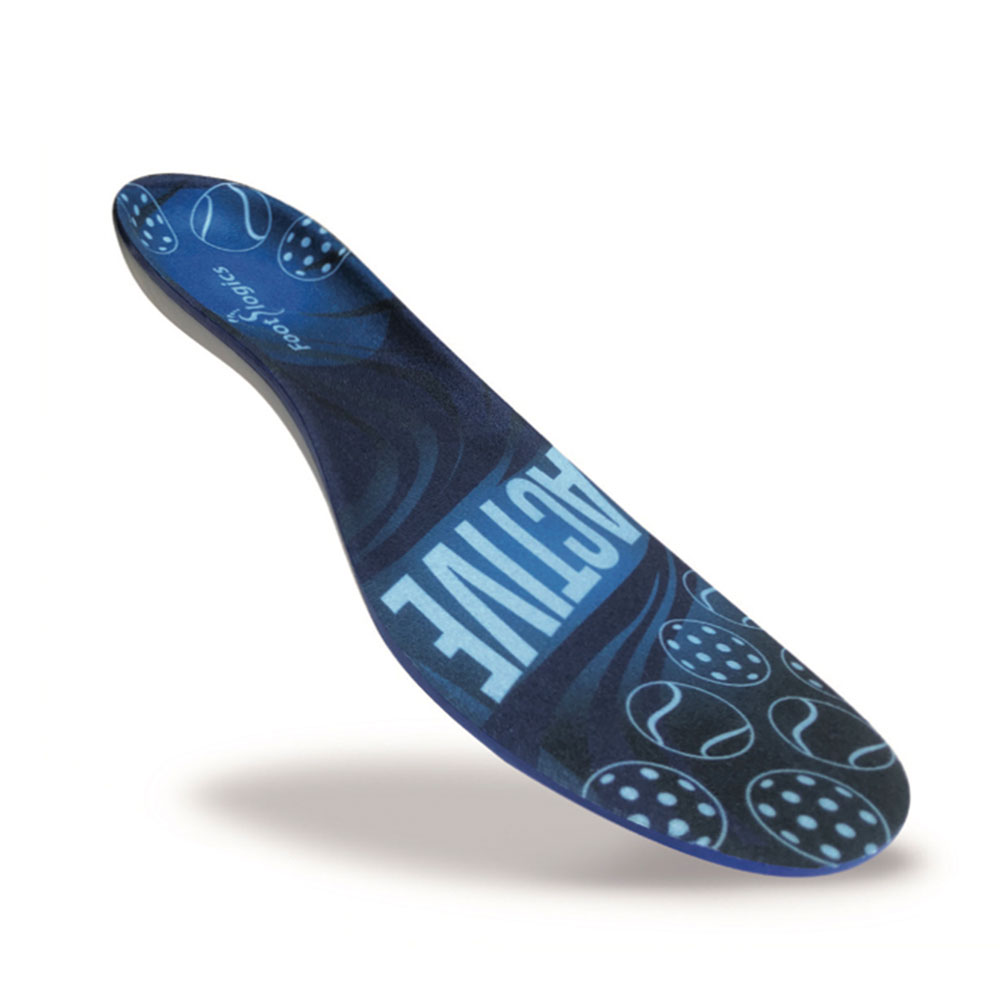
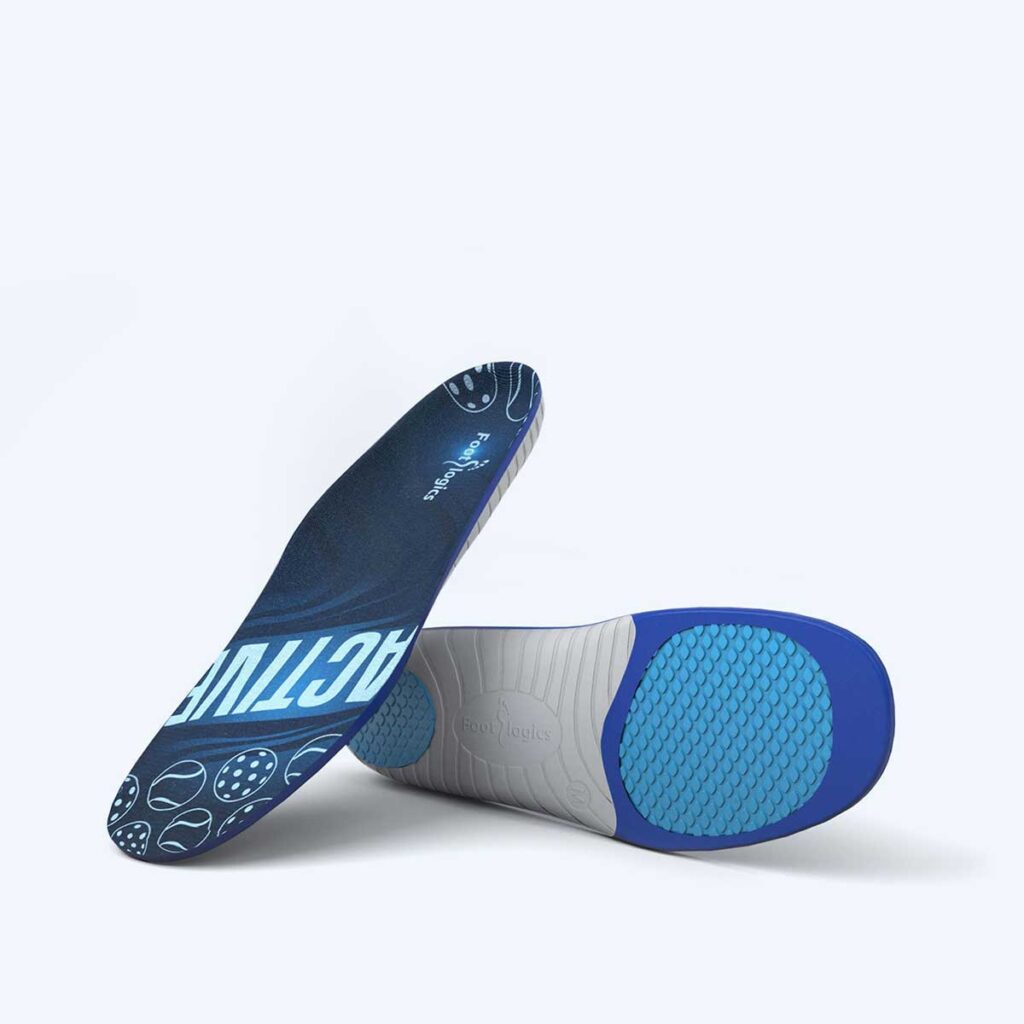
Footlogics ACTIVE
CAD $39.95
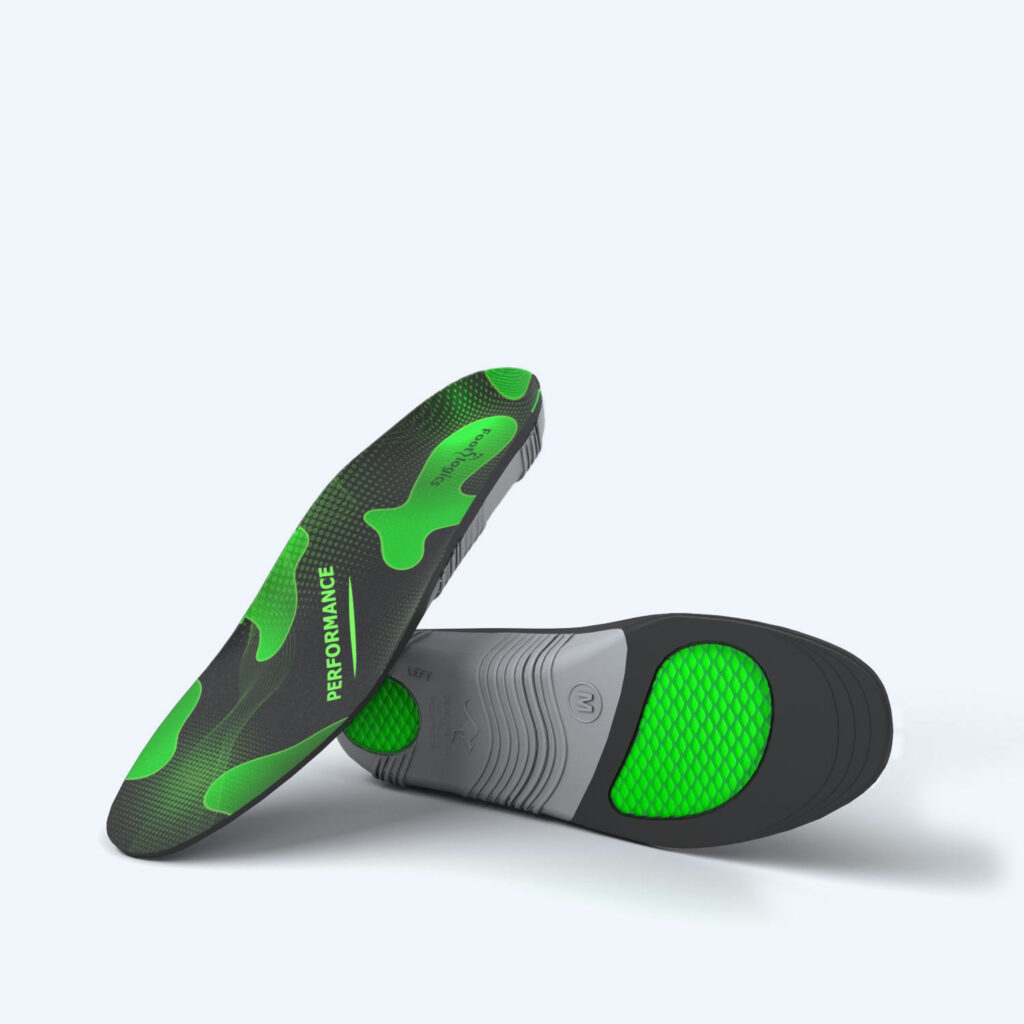
Footlogics PERFORMANCE
CAD $39.95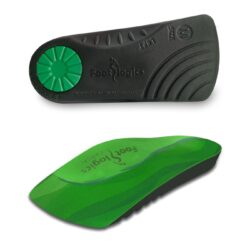
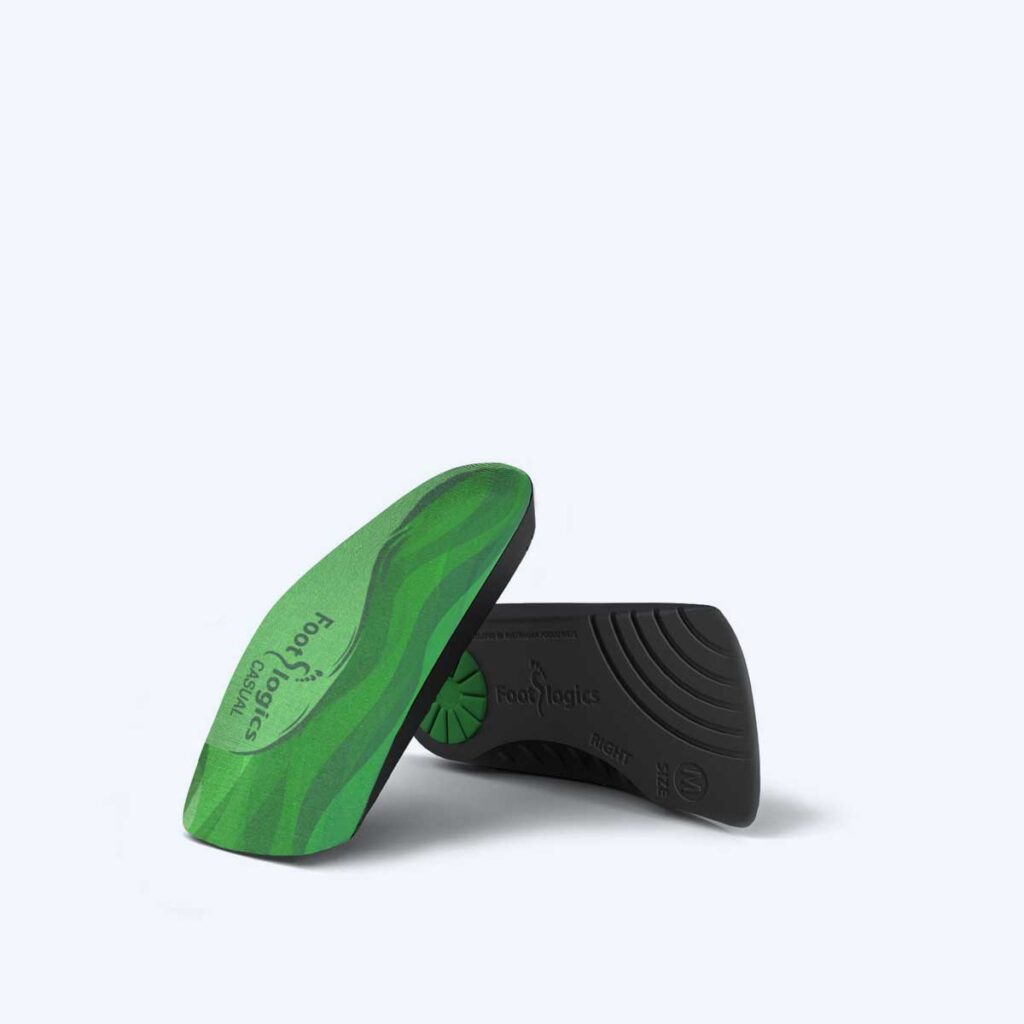
Footlogics CASUAL
CAD $32.95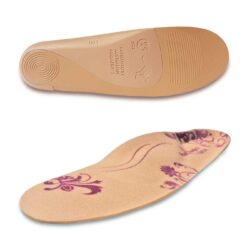
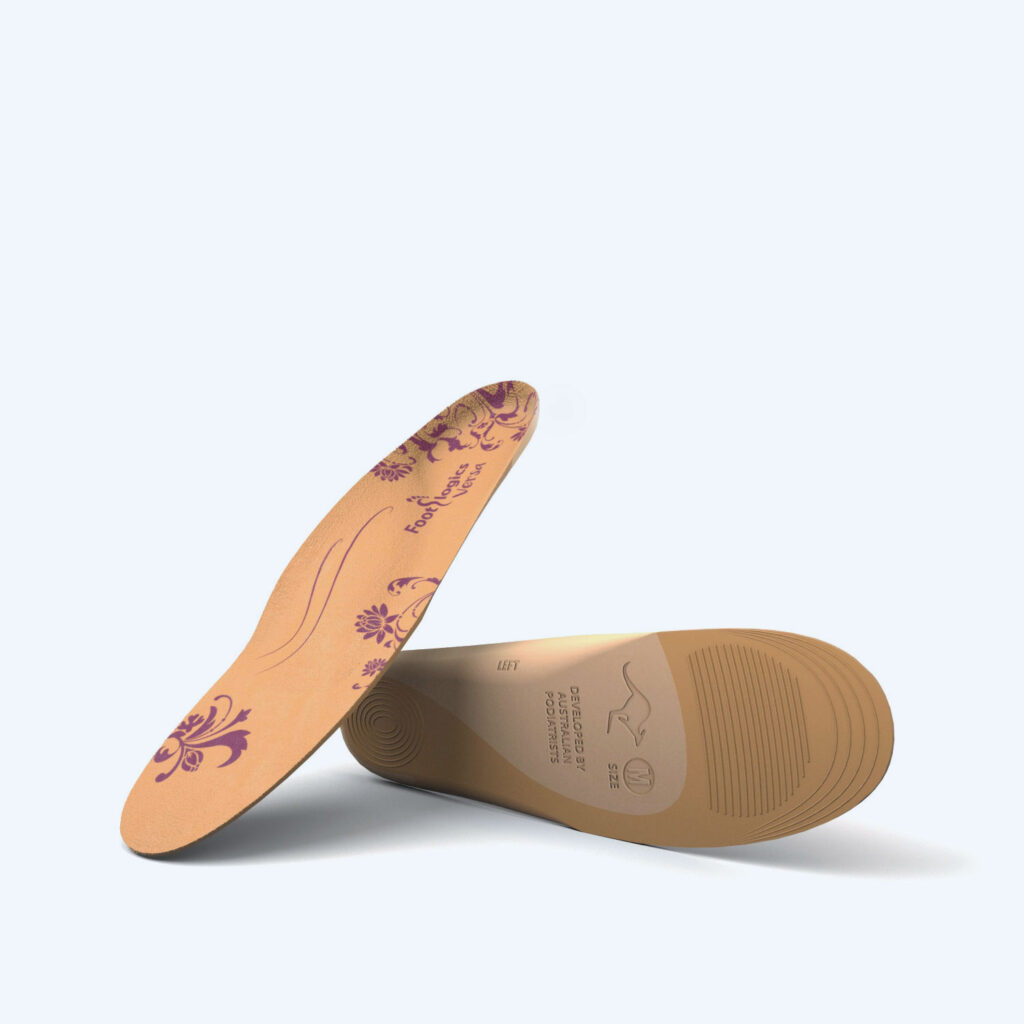
Footlogics VERSA
CAD $34.95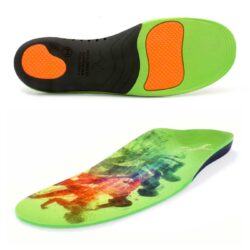
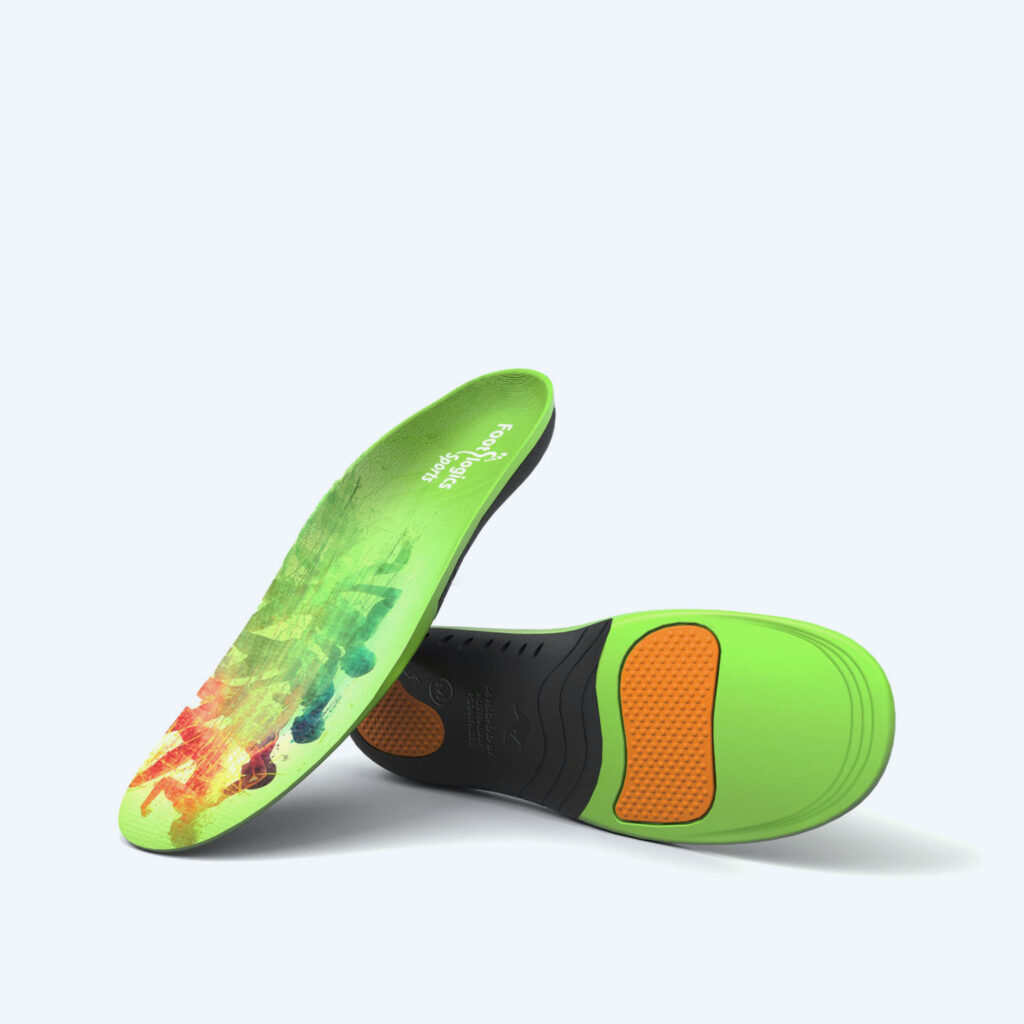
Footlogics SPORTS
CAD $39.95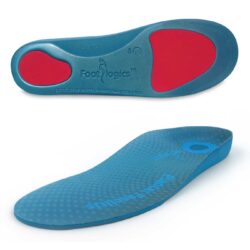
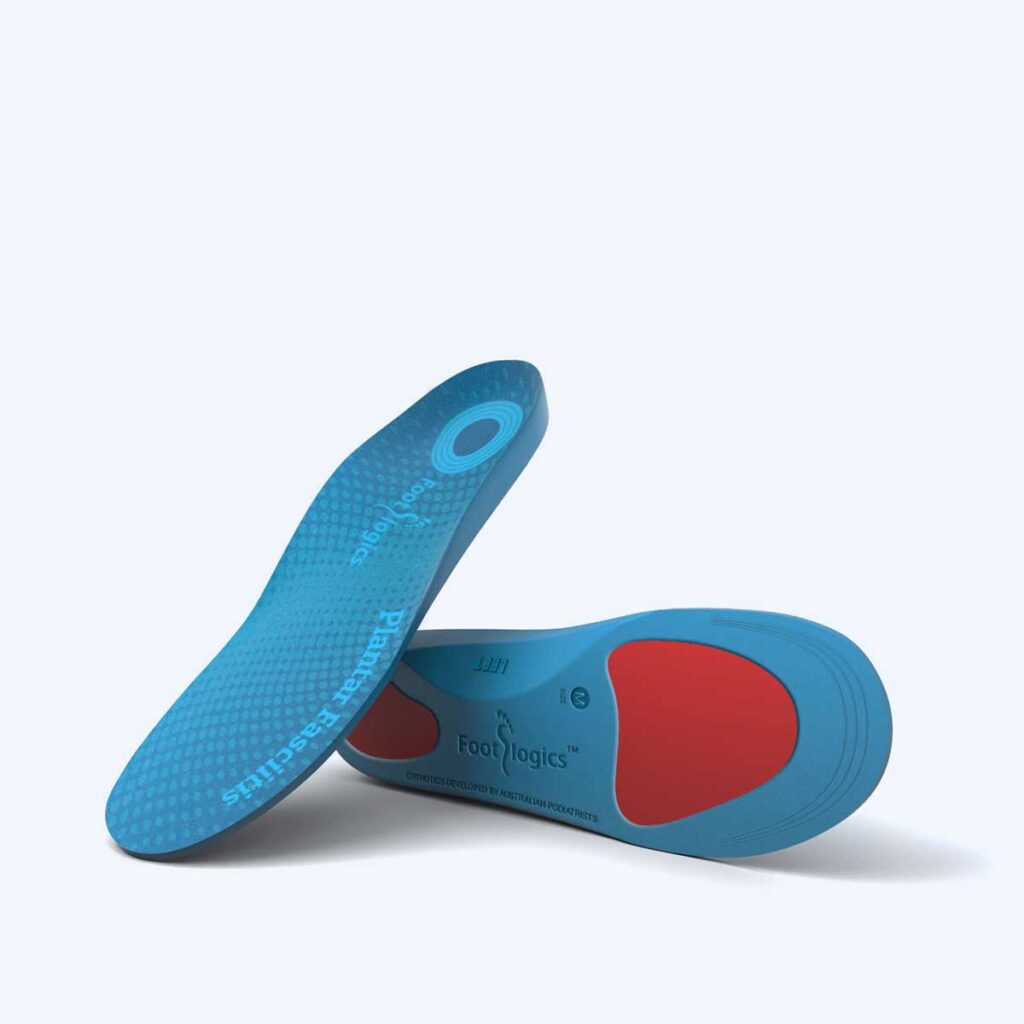
Footlogics PLANTAR FASCIITIS
CAD $37.95
Heel pain orthotics: How Footlogics insoles alleviate plantar fasciitis and heel spurs
Heel pain has a way of creeping into everything, those first few steps out of bed on a cold morning, a long day on your feet at work, or even a casual pickleball match with friends at the local courts. But there’s good news: most people find real relief with the right combination of care, including proper footwear, consistent stretching, smarter activity habits, and orthotics designed to change how pressure travels through the foot.
When it comes to managing heel pain, a well-structured arch combined with a deep, supportive heel cup will always outperform basic cushioning alone, especially for Canadians juggling winter boots, running shoes, and everything in between throughout the year. A quality insole takes the load off the plantar fascia, keeps the heel properly seated, and minimizes the everyday wear and tear that comes from standing or walking on hard surfaces like concrete, tile, or icy sidewalks.
By spreading pressure more evenly across the foot and promoting better alignment, orthotic insoles can play a key role in easing plantar fasciitis symptoms and taking pressure off the plantar fascia itself. Footlogics Plantar Fasciitis orthotics are purpose-built for this kind of support, blending firm structure, cushioning, stability, and shock absorption into a single insole — and if you’re not sure which pair is right for you, many Canadian pharmacies, podiatrists, and physiotherapists can help point you in the right direction.
Choose from a range of heel pain orthotics
- orthotics for everyday walking shoes and sneakers: supportive full-length insoles for everyday pain alleviation.
- orthotics insoles for work boots and safety shoes: Insoles that are tougher for standing all day on hard surfaces.
- Inserts for dress shoes: low-profile shoe inserts that support the arch without crowding toes; slender
- Orthotics for people with high arches: higher contour models with added cushioning to spread bodyweight more evenly
- Sports, athletic shoes, jogging, pickleball: impact cushioning and lateral stability with flexible support
Brands such as Superfeet, Dr. Scholl’s and Powerstep insoles may be useful, but Footlogics stands out for medical-grade design, sales success throughout the globe since the mid-2000s, affordable prices, free USA delivery and a solid 30-day money back guarantee.
What is the source of heel pain? (plantar fasciitis & heel spurs)
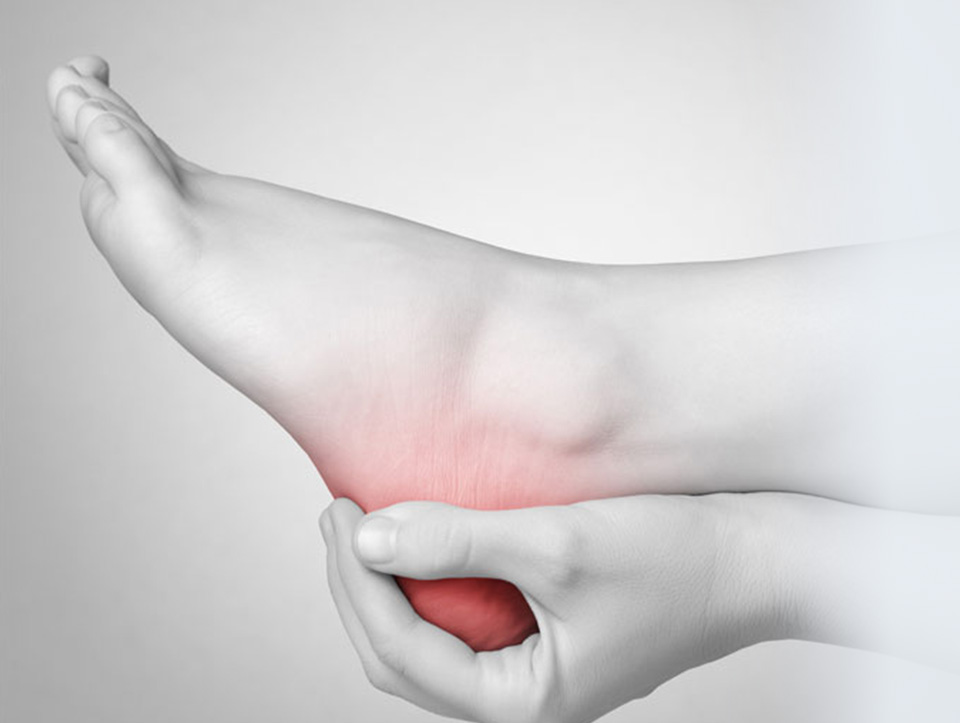
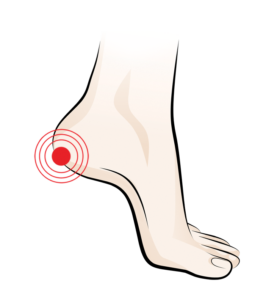
There are a number of reasons you could have heel discomfort, including an irregular stride, sports injury, plantar fasciitis, heel spur or wearing flimsy or unsupportive shoes. It is generally caused by recurrent stress irritating the tissues that support the foot, particularly the plantar fascia.
The plantar fascia is a thick band of tissue which runs between the heel bone and the toes. Some also refer to it as the plantar fascia ligament, and when the foot collapses too much, micro-tears and inflammation may develop.
What are typical heel pain symptoms?
Classic plantar fasciitis discomfort presents itself as a sharp pain under the heel during with your first morning steps, after sitting or after running, hiking or athletics. Gentle walking may ease the pain for a while, but the pain with return.
Heel spurs are bony growths, or bony projections, on the bottom of the heel bone. They generally come from tension on foot muscles and ligaments, but are not necessarily the major cause of discomfort.
Common causes are flat feet, high arches, over-pronation, tight calves, obesity, bad footwear, long hours standing, hard surfaces, arthritis and heel pad irritation.
Heel discomfort such as Sever’s Disease may occur in children and teenagers, particularly during growth spurts and sports. Supportive insoles help developing feet perform better.
Do I have plantar fascitis? Diagnosis and warning signs
Correct diagnosis enables you to pick appropriate therapy and suitable insole. Plantar fasciitis is often diagnosed based on symptoms and physical examination.
Common symptoms include:
- pain in the bottom of the heel, occasionally spreading into the foot arch.
- pain after sitting for a while, or getting out of bed in the morning
- pain when jogging, playing court sports, or standing for lengthy periods of time.
- tenderness on palpation directly in front of the heel bone.
A podiatrist, physical therapist, family doctor or other health expert could check your gait, footwear, calf flexibility and foot shape. Ultrasound may indicate a thickened plantar fascia. X-ray can reveal heel spurs , although heel spurs can be painless , therefore therapy often concentrates on irritated soft tissue .
If you hear a “pop” and have sudden, acute heel pain, numbness, burning, fever, redness or discomfort after a fall or injury, get medical attention right away. If pain continues for more than 2-3 weeks with rest, stretching and simple shoe modifications, see a doctor.
How orthotics can help with Heel Pain and Plantar Fasciitis
Orthotics work by improving the way your foot functions, supporting the arch, taking pressure off the plantar fascia, and helping distribute weight more evenly across the heel.
Solid arch support plays a key role in stabilizing the foot and limiting excessive movement, which helps ease tension on the plantar fascia and surrounding soft tissue. When the arch is properly supported, pressure spreads more evenly throughout the foot, reducing the strain that builds up on the plantar fascia and lowering your overall risk of heel and foot pain.
For anyone dealing with foot pain, structured arch support insoles tend to outperform soft, cushioned inserts on their own, they provide real stability and help control unwanted movement. Orthotics also help limit excessive pronation, cutting down on the twisting motion that stresses the foot while cushioning the heel from the impact of everyday movement, whether that’s a walk to Tim Hortons or a shift on your feet at work.
A deep heel cup holds the heel securely in place and proper alignment, adding stability and easing stress on the foot. Deep, contoured heel cups help support the natural fat pad under the heel bone, softening impact and helping the foot absorb shock more effectively, something especially useful on hard Canadian surfaces like concrete sidewalks, tile floors, or packed winter snow.
Soft gel inserts might feel comfortable right out of the box, but when it comes to managing heel pain, structural support matters more than cushioning alone. Soft inserts on their own generally fall short for plantar fasciitis-related discomfort compared to insoles that combine solid arch structure with cushioning. Insoles offering both rigidity and cushioning tend to work better overall, particularly for pain triggered by long periods of standing or walking.
This isn’t just anecdotal, there’s research behind the mechanical approach. Kogler’s well-known strain gauge study found that orthotics closely matching the shape of the arch were more effective at reducing plantar fascia strain than flatter designs (PubMed). The findings suggest that full-contact orthotics, ones designed to stay in close contact with the arch, do a better job of reducing both strain and pain.
These orthotics may also help ease chain-reaction discomfort elsewhere in the body, including leg pain, ankle tension, knee discomfort, and lower back issues, by helping guide the foot into a more neutral, balanced position.
Custom orthotics vs. off-the-shelf insoles
Custom orthotics are prescription devices, built after a full clinical assessment. To make them, a clinician takes a 3D cast or digital scan of your foot while it’s held in a perfectly neutral position. If over-the-counter options haven’t done the trick, a doctor may prescribe custom-made orthotics, typically running anywhere from $200 to $800 CAD, though coverage through provincial health plans or extended benefits can help offset the cost.
Off-the-shelf orthotic inserts, by contrast, come in a range of styles and materials, offering extra padding and targeted support for different areas of the foot. These generally run between $20 and $80 CAD. Look for features like solid arch support, a deep heel cup, and biomechanical contouring when choosing a good over-the-counter option.
Off-the-shelf orthotics can deliver much of the same short-term relief as their pricier custom counterparts, making them a smart, accessible first line of defence. Multiple comparisons between prefabricated and custom-molded devices have found that well-made, off-the-shelf orthotics hold their own against expensive custom options, for both short-term and longer-term relief (NCBI).
That said, custom orthotics still have their place, particularly for significant structural deformities, major leg length discrepancies, complex or recurring plantar fascia issues, or cases where quality off-the-shelf inserts simply haven’t worked. Footlogics bridges that gap with medical-grade, podiatrist-designed orthotics that deliver comparable structural support at a fraction of the cost of a custom-fitted pair.
What to know when selecting the best orthotics for Heel Pain
Not all insoles are created equal. When shopping for heel pain relief, look for these key features:
- Firm, molded arch support — built for flat feet, neutral arches, and high arches alike, not flimsy flat foam
- A deep heel cup — helps keep the heel’s natural fat pad centred, boosts stability, and cuts down on excess pronation
- Shock-absorbing polymers at the heel and forefoot — cushions inflamed tissue with every step, whether you’re walking to work or out for a jog
- The right fit for the shoe — full-length for sneakers and work boots; slim or 3/4-length for dress shoes and snugger footwear
- Lasting shape — a good insole should hold its structure after weeks of regular use, so the arch doesn’t flatten out over time
- A comfortable, natural fit — the insole shouldn’t feel crowded or bulky inside the shoe; matching the correct size and style ensures it sits properly
Medical-grade heel pain orthotics
Clinical-grade orthotics are meant to be firm or semi-rigid, never soft and pillowy, because that structure is what provides the mechanical leverage needed to actually correct how your foot moves. Footlogics combines high-density E.V.A. with cushioning layers to strike a balance between comfort and lasting support. Footlogics is a specialized orthotic brand developed alongside podiatrists and physiotherapists, offering a full lineup of insoles that’s been trusted by families around the world for years.
Orthotic inserts can play a valuable role in managing a range of conditions, including heel pain, by spreading pressure more evenly, improving alignment, and reinforcing both the arch and heel.
Beyond orthotics, a few other approaches can help:
- Stretching: Work daily calf and plantar fascia stretches into your routine, think wall stretches, towel stretches, or gently rolling a ball under the arch
- Adjusting activity levels: Cut back on high-impact exercise and long stretches of standing until symptoms ease, then reintroduce activity gradually
- Supportive footwear: Look for shoes with a firm heel counter, enough depth to fit an orthotic comfortably, and solid sole construction, steer clear of unsupportive shoes, cheap flip-flops, and worn-out footwear
- Ice and pain relief: Ice the heel after activity, and only use over-the-counter medication as directed by a doctor or pharmacist
- Professional care: Depending on the situation, physiotherapy, manual therapy, night splints, or gait analysis may be recommended
Surgery for heel pain or heel spurs is rarely necessary and is typically only considered after 9–12 months of consistent, unsuccessful conservative treatment.
What makes Footlogics orthotics different?
- All-in-one design combining biomechanical correction, cushioning, and a deep heel cup
- A fit for nearly every shoe type — sneakers, work boots, dress shoes, sports shoes, women’s fashion footwear, and kids’ shoes, including options for high arches
- A proven international track record dating back to the mid-2000s
- Premium-quality construction without the premium price tag
- Easy online ordering, straightforward sizing, free Canadian delivery, and a 30-day money-back guarantee with hassle-free returns
If heel discomfort, plantar fasciitis, or heel spurs are slowing you down, start with the basics: Footlogics orthotics, supportive shoes, and a consistent stretching routine. If things aren’t gradually improving, it’s time for a thorough assessment from a podiatrist or doctor.
